

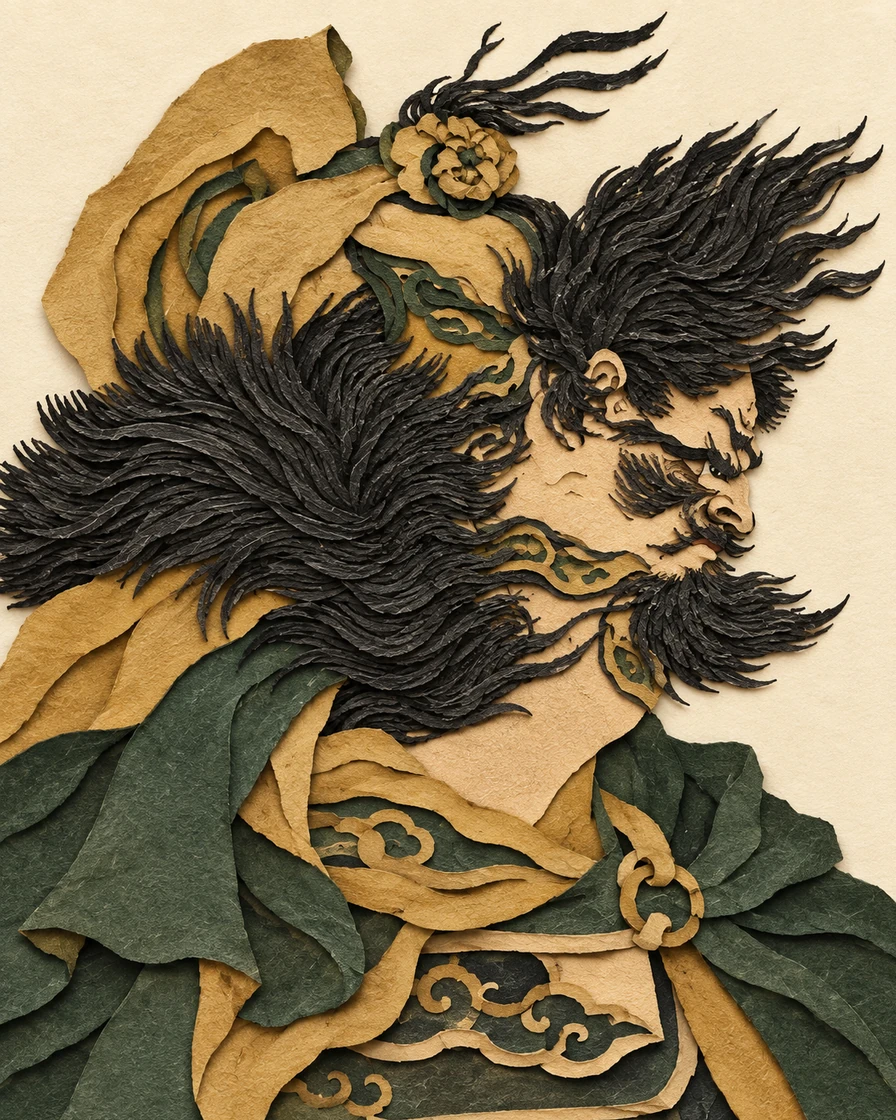
Nara period
Fujiwara no Hirotsugu
藤原広嗣
Overview
Fujiwara no Hirotsugu was the eldest son of Umakai, whose descendants formed the Fujiwara Ceremonial House. In 738, Hirotsugu moved from governing Yamato, around present-day Nara, to a junior deputy's post at Dazaifu, the court's regional headquarters in northern Kyushu. The appointment placed him far from the capital but within an administration able to call on provincial soldiers. [S01, S02]
In 740, he petitioned for the removal of the monk Genbō and the scholar-official Kibi no Makibi, influential figures around chief minister Tachibana no Moroe. Hirotsugu then raised forces with his brother Tsunate. Other Fujiwara branches did not rally behind them. The government sent an army under Ōno no Azumahito; local officials changed sides, and Hirotsugu's forces were defeated near the Itabitsu River. His challenge to court personnel had become a war requiring a response across the provinces. [S01, S02]
Hirotsugu tried to escape westward from the islands now called the Gotō archipelago. He was captured and executed with Tsunate in 740. His birth year is unknown. The campaign survives chiefly through Shoku Nihongi, a later court chronicle. Its account records his demands and defeat more securely than it reveals his private reasons for taking up arms. [S01, S02]
Sources and notes ViewHide
- [1]
藤原広嗣 — 改訂新版 世界大百科事典栄原永遠男 (Sakaehara Towao)
- [2]
藤原広嗣の乱 — 世界大百科事典Heibonsha editorial responsibility; article author not displayed in returned passage
Hirotsugu moved from governing Yamato, around present-day Nara, to a junior deputy's
petitioned for the removal of the monk Genbō and the scholar-official Kibi
Connections
Places
Events
The Fujiwara no Hirotsugu Rebellion
藤原広嗣の乱
In 740, Fujiwara no Hirotsugu raised a rebellion in Kyushu after demanding the removal of two court advisers, but imperial troops defeated his forces and he was captured and executed.
Relationships
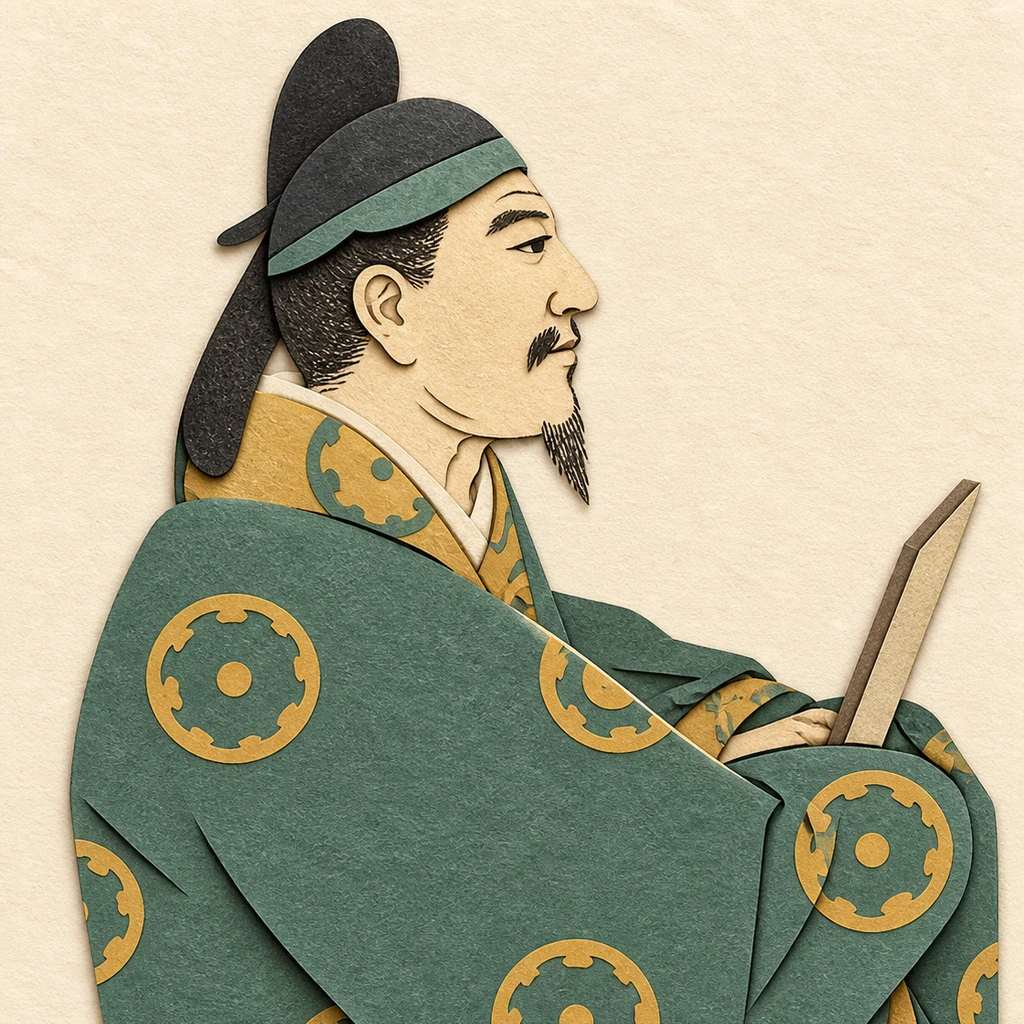 Family ParentFujiwara no Umakai藤原宇合Umakai was Hirotsugu's father.Evidence grade C
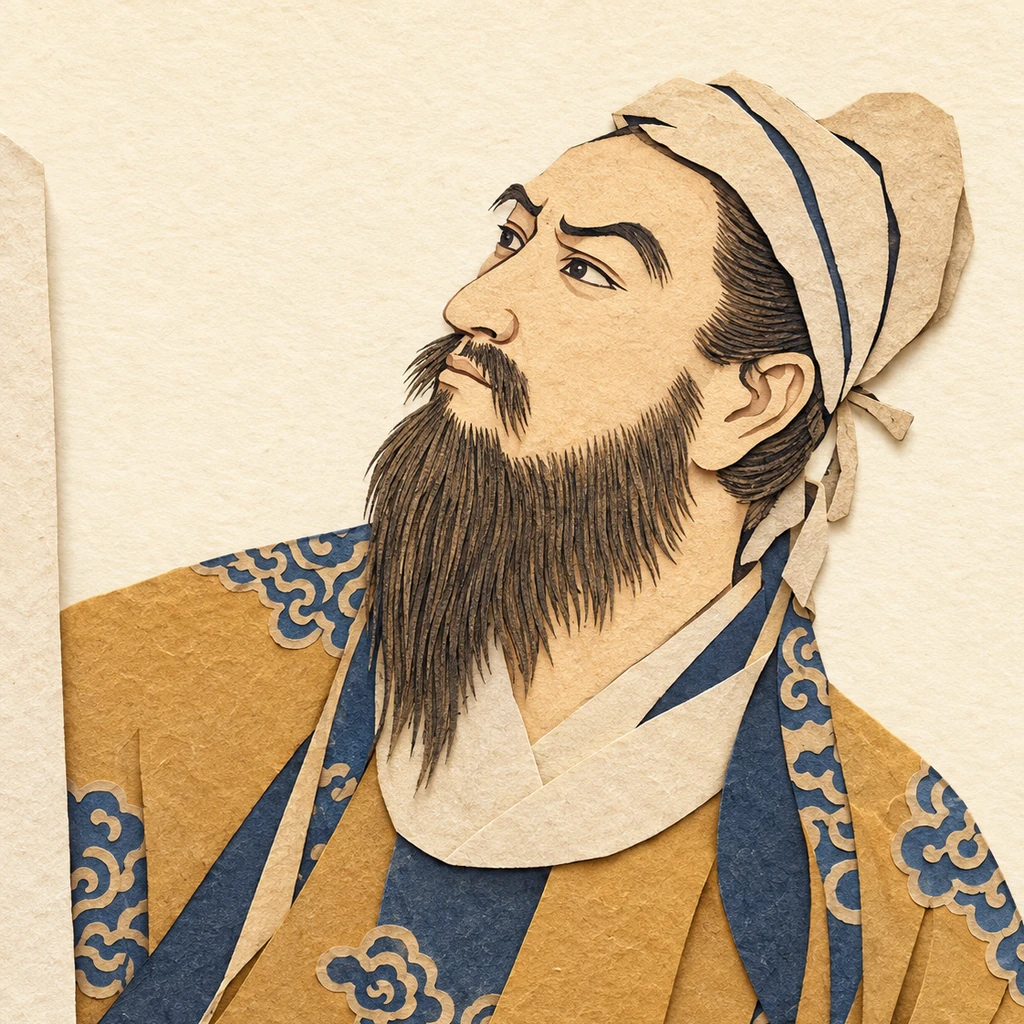 Event OppositionKibi no Makibi吉備真備Hirotsugu's 740 memorial and rebellion were connected in the official account to demands concerning Makibi's position at court.Evidence grade C
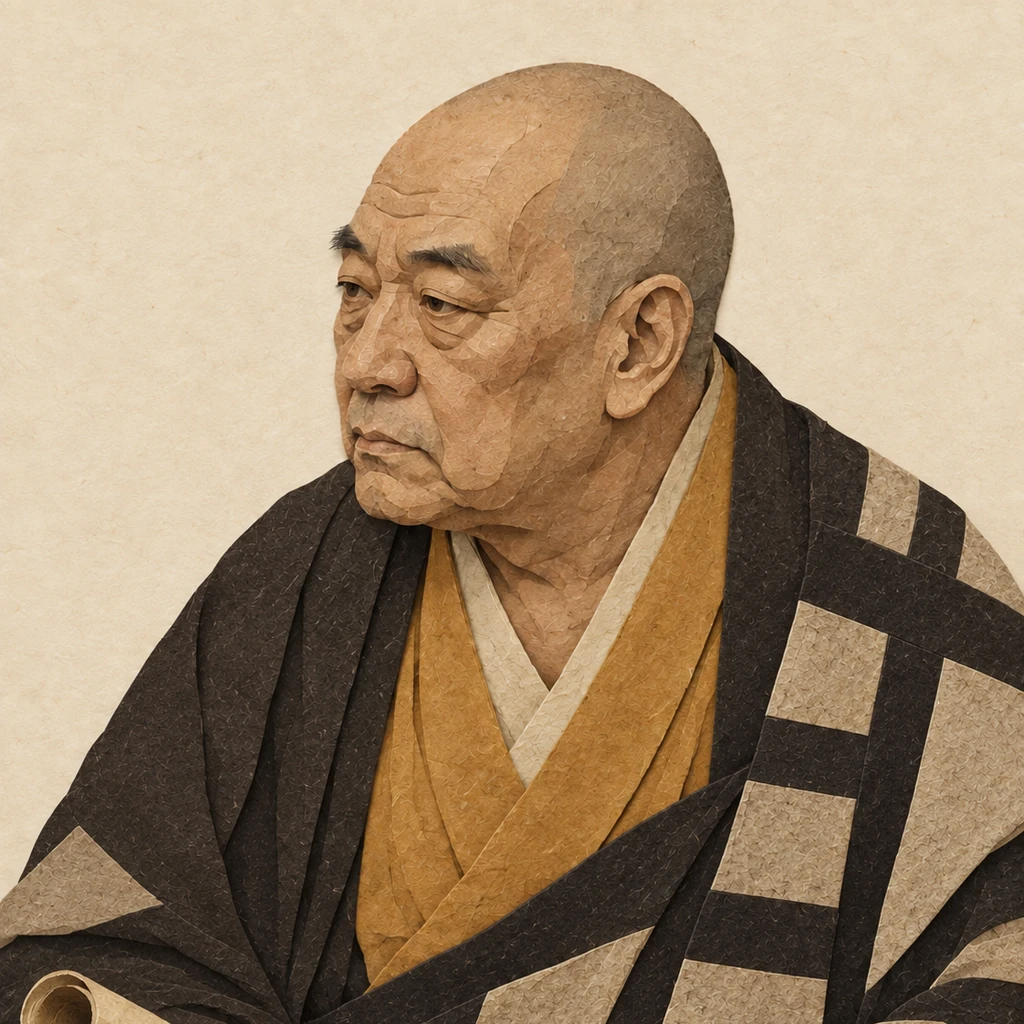 Event OppositionGenbō玄昉Hirotsugu's 740 memorial and rebellion were connected in the official account to demands concerning Genbō's position at court.Evidence grade C
Topics
No related topics yet.