Skip to content
Chronicle

Search History Omakase

Start typing to search.

    Read The Fujiwara no Hirotsugu Rebellion

    Read the article below. Interactive reading tools are available when scripts load.

    Overview

    The Fujiwara no Hirotsugu Rebellion

    Fujiwara no Hirotsugu was a member of the powerful Fujiwara family serving at Dazaifu, the court's regional headquarters in Kyushu. In 740 he called for the removal of the scholar-official Kibi no Makibi and the monk Genbō, blaming their influence for the country's troubles. Both men had returned from Tang China and held the court's confidence.

    Hirotsugu's challenge became an armed rebellion. Imperial troops crossed the Kanmon Strait into Kyushu and confronted his forces across the Itabitsu River, near present-day Kitakyushu. The court's army won; Hirotsugu was subsequently captured and executed. His access to provincial forces had enabled him to rebel, but had not secured lasting control of the island.

    During the disturbance, Emperor Shōmu left Nara on a journey that led to the establishment of Kuni as the capital later in 740. The rebellion and the capital moves belong to the same troubled years, although the sequence alone does not establish a single motive for every move. Hirotsugu's defeat preserved the court's authority to appoint and remove officials at Dazaifu.

    Sources and notes

    1. 續日本紀卷十三:738年任官與長屋王告發者 · 797年官修史書/Wikisource原文轉錄
    2. 板櫃川の戦い · 北九州市小倉北区

    About these sources

    Back

    740 | The Fujiwara no Hirotsugu Rebellion藤原広嗣の乱

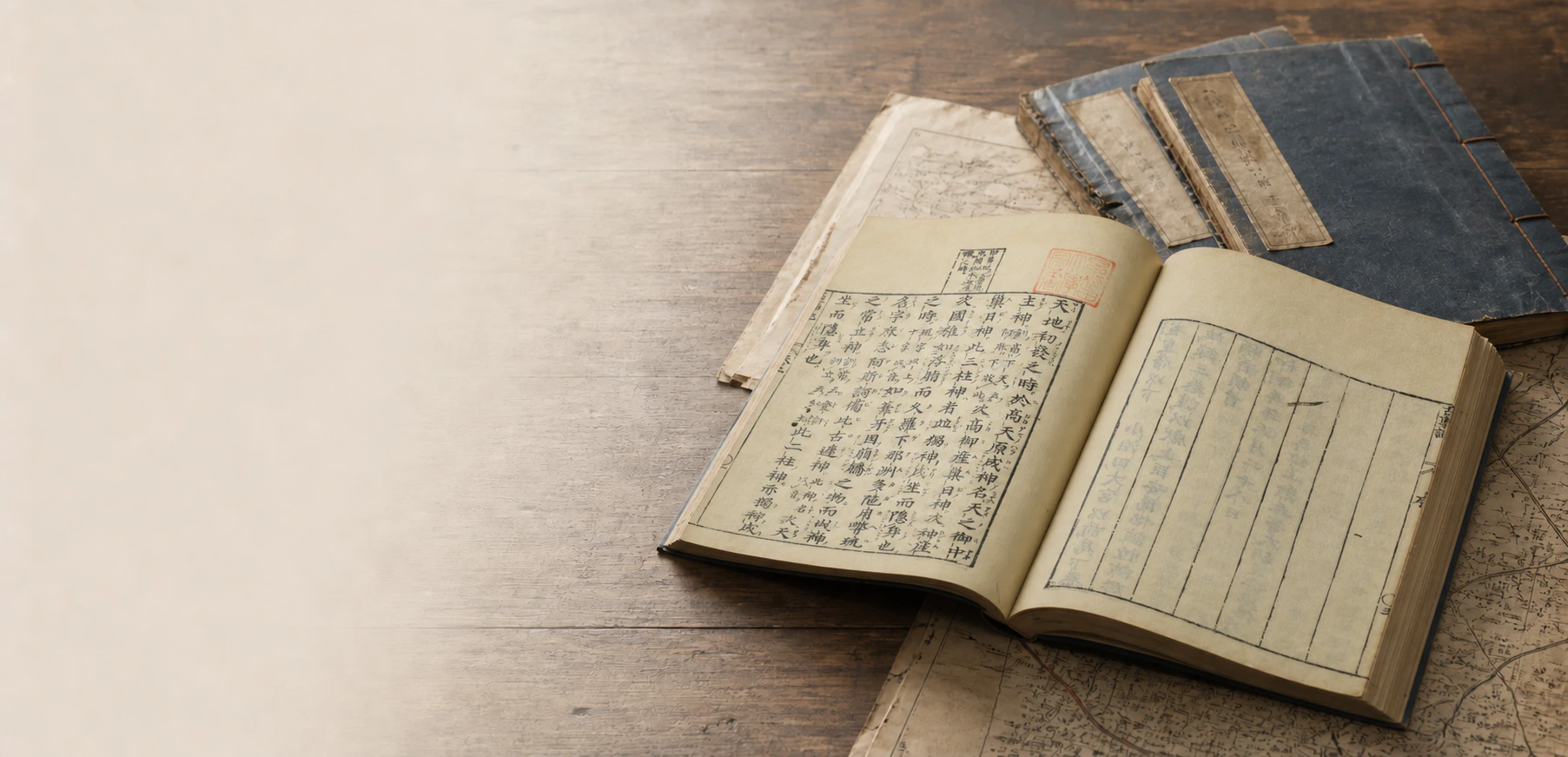
    The Kojiki in an open-book still life

    The Fujiwara no Hirotsugu Rebellion

    Fujiwara no Hirotsugu was a member of the powerful Fujiwara family serving at Dazaifu, the court's regional headquarters in Kyushu. In 740 he called for the removal of the scholar-official Kibi no Makibi and the monk Genbō, blaming their influence for the country's troubles. Both men had returned from Tang China and held the court's confidence.

    Hirotsugu's challenge became an armed rebellion. Imperial troops crossed the Kanmon Strait into Kyushu and confronted his forces across the Itabitsu River, near present-day Kitakyushu. The court's army won; Hirotsugu was subsequently captured and executed. His access to provincial forces had enabled him to rebel, but had not secured lasting control of the island.

    During the disturbance, Emperor Shōmu left Nara on a journey that led to the establishment of Kuni as the capital later in 740. The rebellion and the capital moves belong to the same troubled years, although the sequence alone does not establish a single motive for every move. Hirotsugu's defeat preserved the court's authority to appoint and remove officials at Dazaifu.

    Sources and notes ViewHide
    1. [1]

      續日本紀卷十三:738年任官與長屋王告發者797年官修史書/Wikisource原文轉錄

    2. [2]

      板櫃川の戦い北九州市小倉北区

    Reading context

    Reading preferences

    Text size
    Glossary intensity

    Choose how much explanation appears as you read.

    Saved on this device. All terms remain available in the glossary.

    Browse the glossary →
    History Omakase

    Opening reading…