

Muromachi period
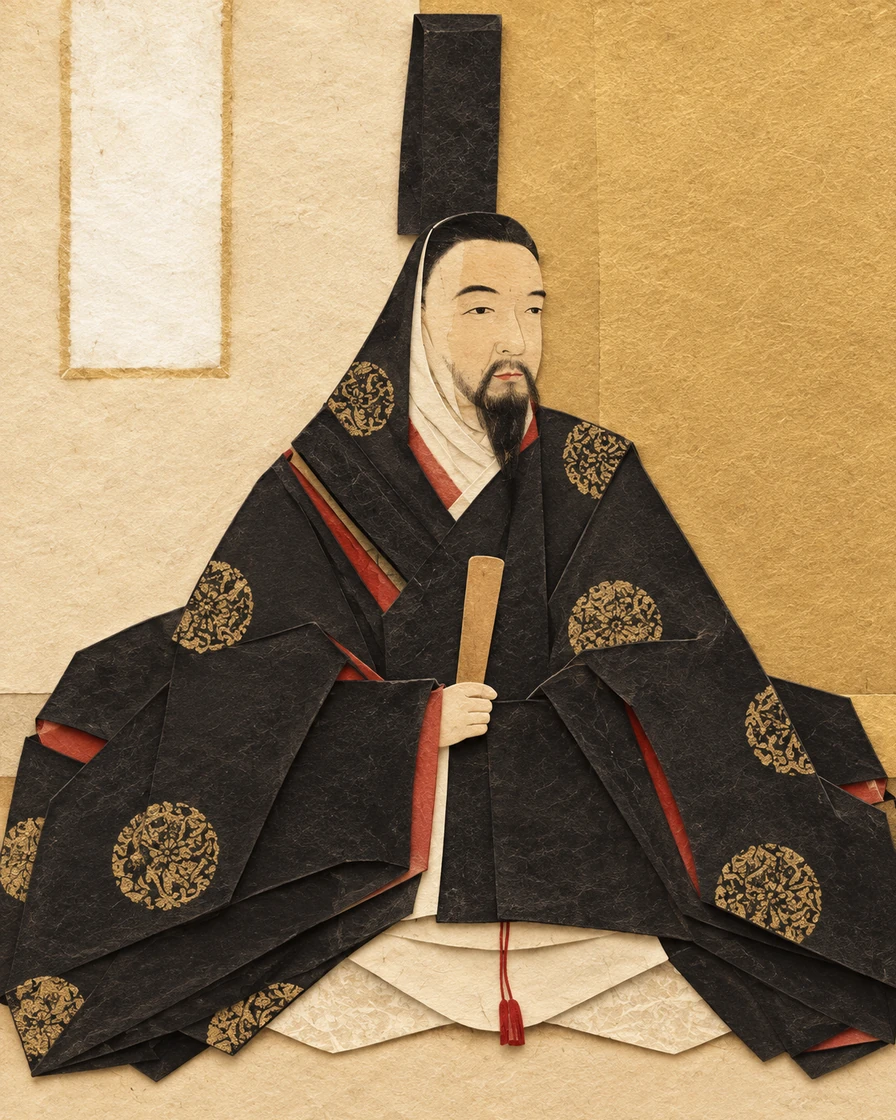
Emperor Go-Kameyama
後亀山天皇
Overview
Emperor Go-Kameyama (died 1424), a son of Go-Murakami, succeeded his brother Chōkei around 1383 as ruler of the Southern Court. Its residences lay south of Kyoto, while the rival court in Kyoto had Ashikaga support. His birth year is uncertain. He inherited a weakened military position, but his court still possessed the regalia and a separate claim to imperial succession. [S01]
In 1392 he accepted a settlement brokered by Ashikaga Yoshimitsu, returned to Kyoto and transferred the regalia to Go-Komatsu. The arrangement included an expectation that the two imperial lines would alternate on the throne, together with provisions concerning revenue for the Southern line. Ending the separate court was therefore a negotiated exchange with conditions, although the stronger Ashikaga side controlled the setting in which they would operate. [S01]
Go-Kameyama received recognition as a retired emperor and lived at Daikaku-ji in Saga. The promised alternation did not occur. Dissatisfied with his treatment and the unfulfilled arrangement, he left for Yoshino in 1410, then returned to Kyoto in 1416. He died in 1424. Reunification preserved a place for him within the courtly order while leaving his descendants without the access to succession on which the agreement had rested. [S01]
Sources and notes ViewHide
- [1]
後亀山天皇 — 日本大百科全書 / 世界大百科事典 / 日本史小辞典村田正志 (Murata Masashi); 飯倉晴武 (Iikura Harutake); 山川出版社 (Yamakawa)
accepted a settlement brokered by Ashikaga Yoshimitsu, returned to Kyoto and transferred
Dissatisfied with his treatment and the unfulfilled arrangement, he left for Yoshino
Emperor Go-Kameyama (died 1424), a son of Go-Murakami, succeeded his brother Chōkei
Connections
Places
No linked places yet.
Events
The 1392 Settlement Ends the Two Courts
南北朝の合一
In 1392 Southern Emperor Go-Kameyama left Yoshino, returned to Kyoto, and transferred the regalia to Emperor Go-Komatsu.
Relationships
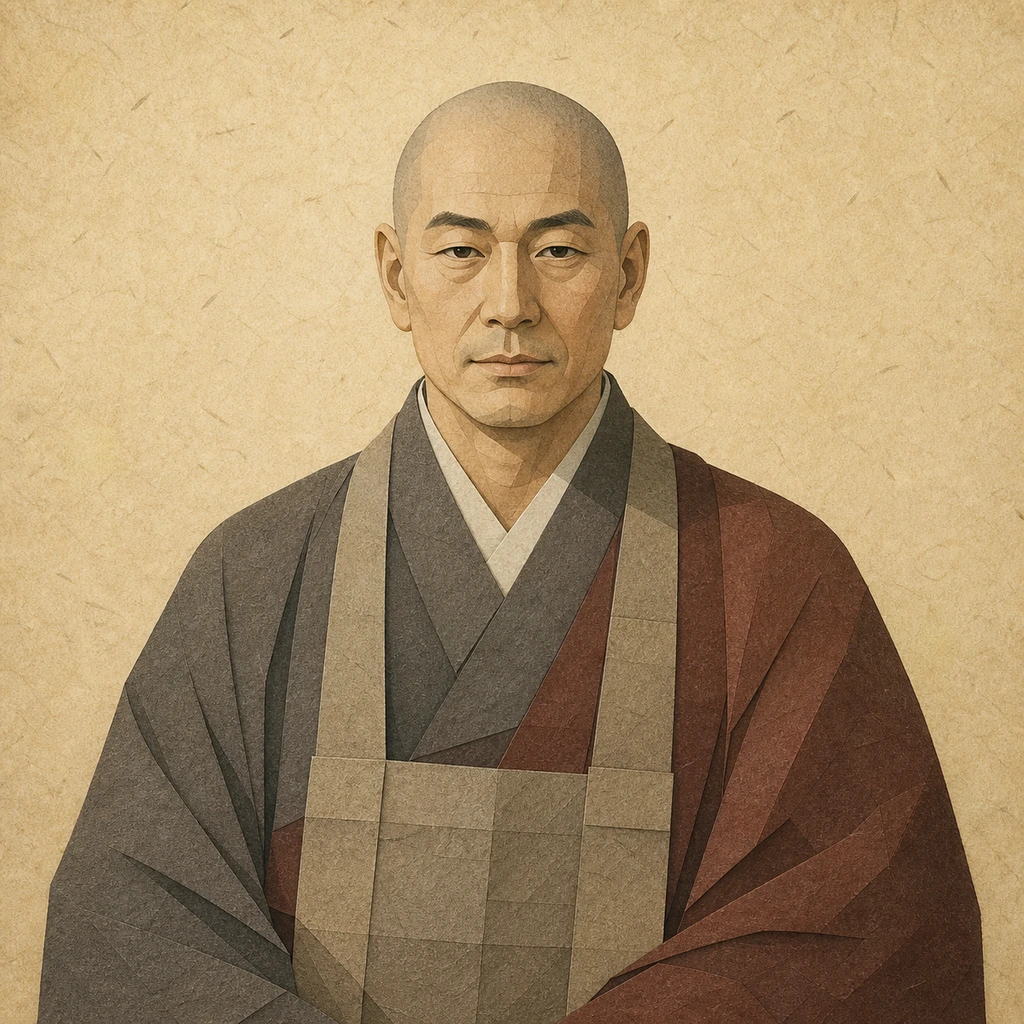 Political SettlementAshikaga Yoshimitsu足利義満Yoshimitsu brokered the 1392 settlement under which Go-Kameyama left the Southern Court seat and transferred the regalia in a negotiated institutional reunionEvidence grade B
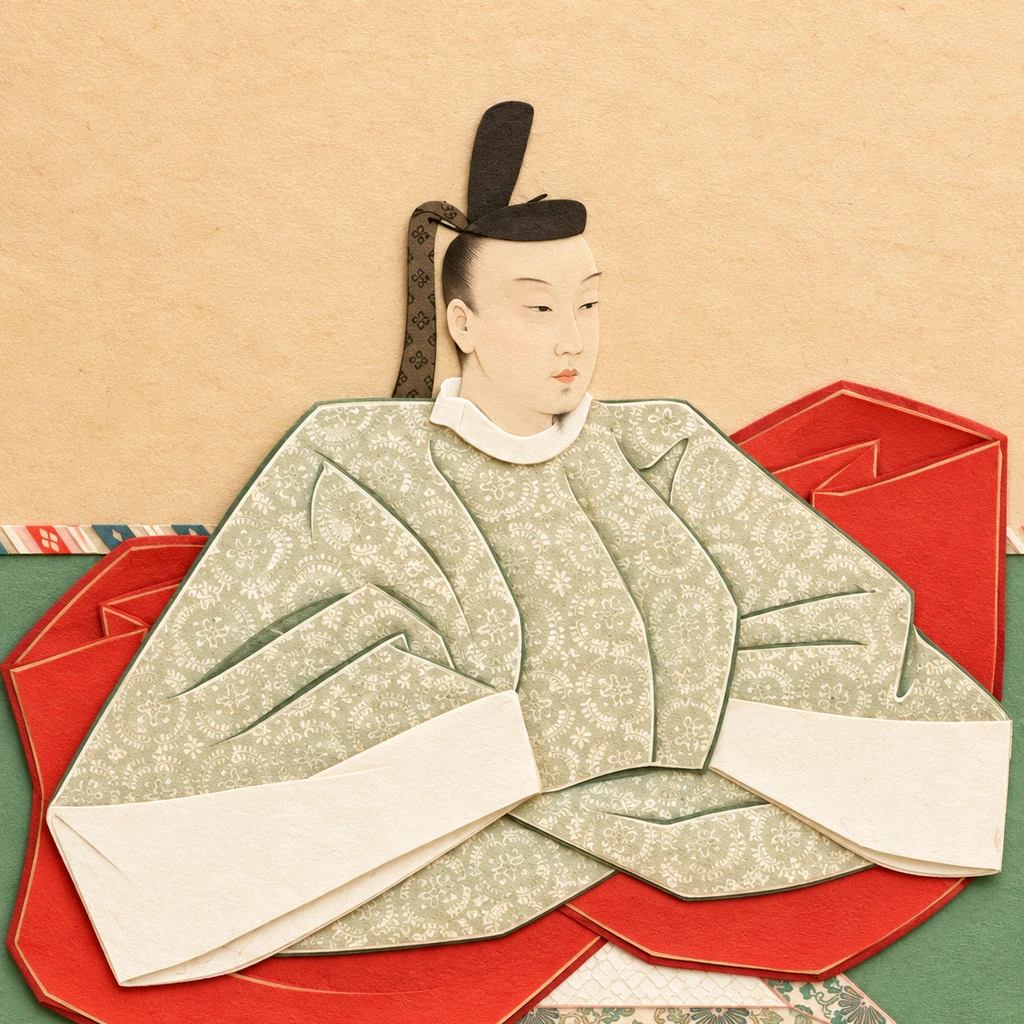 Succession Throne Transfer · Disputed Succession TermEmperor Go-Komatsu後小松天皇Go-Kameyama transferred the imperial regalia to Go-Komatsu in 1392 as the operative act of court reunion Later Southern Court claims and modern interpretations differ on whether the 1392 settlement created a binding agreement to alternate future succession between the two imperial linesEvidence grade B / D
Topics
Yoshino: When the Temples Became a Court
A displaced imperial household found a home in a religious landscape. Its hosts later gave that household's absence an enduring form.
Read