
Skip to content
Chronicle

Search History Omakase

Start typing to search.

    Read The Death of Shōtoku and Dōkyō's Fall from Power

    Read the article below. Interactive reading tools are available when scripts load.

    Overview

    The Death of Shōtoku and Dōkyō's Fall from Power

    Empress Shōtoku died in the eighth month of 770 after a prolonged illness. The Shoku Nihongi records that the courtier Kibi no Yuri conveyed matters for her consideration while access to the sick sovereign was restricted. On the day of Shōtoku's death, senior ministers selected Prince Shirakabe as crown prince. He later took the throne as Emperor Kōnin.

    Dōkyō, the monk whom Shōtoku had elevated to the title Dharma King, accompanied her coffin and stayed near the tomb. The new administration accused him of improper designs but sent him to serve as superintendent of Yakushi-ji in Shimotsuke rather than applying a criminal sentence. His brother and nephews were exiled to Tosa. The orders removed the family from its position at the center of government.

    Dōkyō died in 772. His fall followed the loss of the sovereign whose patronage had sustained his exceptional rank. The change also allowed Wake no Kiyomaro and his sister, punished in the oracle affair of 769, to return from exile. Shōtoku's death, the designation of a new heir, and these administrative dispositions were distinct steps in the transfer of power.

    Sources and notes

    1. 道鏡 · 奈良国立博物館
    2. 續日本紀卷三十:神託與770年繼承 · 797年官修史書/Wikisource原文轉錄

    About these sources

    Back

    770-772 | The Death of Shōtoku and Dōkyō's Fall from Power称徳天皇の死と道鏡の失脚

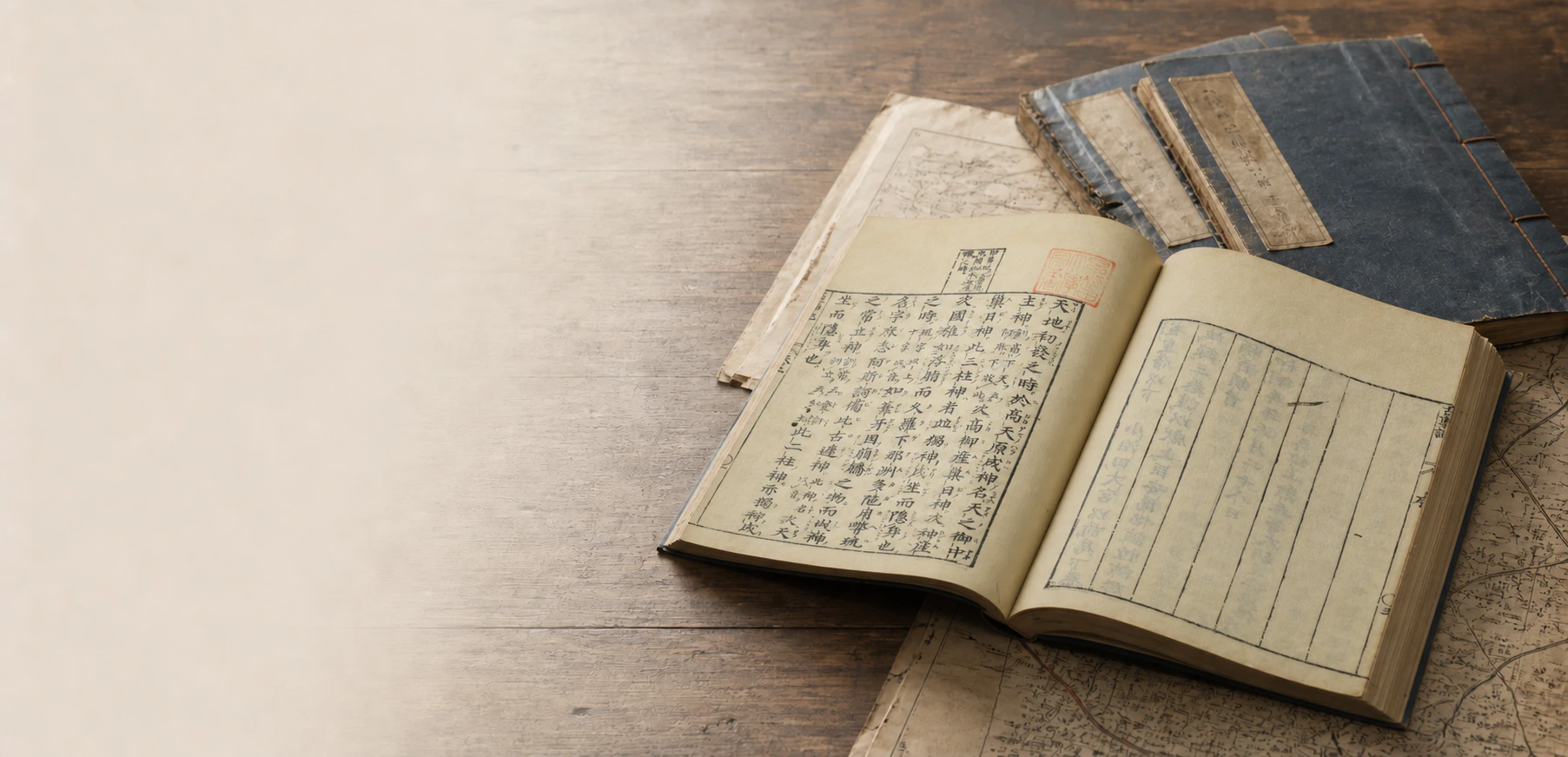
    The Kojiki in an open-book still life

    The Death of Shōtoku and Dōkyō's Fall from Power

    Empress Shōtoku died in the eighth month of 770 after a prolonged illness. The Shoku Nihongi records that the courtier Kibi no Yuri conveyed matters for her consideration while access to the sick sovereign was restricted. On the day of Shōtoku's death, senior ministers selected Prince Shirakabe as crown prince. He later took the throne as Emperor Kōnin.

    Dōkyō, the monk whom Shōtoku had elevated to the title Dharma King, accompanied her coffin and stayed near the tomb. The new administration accused him of improper designs but sent him to serve as superintendent of Yakushi-ji in Shimotsuke rather than applying a criminal sentence. His brother and nephews were exiled to Tosa. The orders removed the family from its position at the center of government.

    Dōkyō died in 772. His fall followed the loss of the sovereign whose patronage had sustained his exceptional rank. The change also allowed Wake no Kiyomaro and his sister, punished in the oracle affair of 769, to return from exile. Shōtoku's death, the designation of a new heir, and these administrative dispositions were distinct steps in the transfer of power.

    Sources and notes ViewHide
    1. [1]

      道鏡奈良国立博物館

    2. [2]

      續日本紀卷三十:神託與770年繼承797年官修史書/Wikisource原文轉錄
    Reading context

    Reading preferences

    Text size
    Glossary intensity

    Choose how much explanation appears as you read.

    Saved on this device. All terms remain available in the glossary.

    Browse the glossary →
    History Omakase

    Opening reading…