Skip to content
Chronicle

Search History Omakase

Start typing to search.

    Read The Division between Retired Empress Kōken and Junnin's Government

    Read the article below. Interactive reading tools are available when scripts load.

    Overview

    The Division between Retired Empress Kōken and Junnin's Government

    By 762, the court contained two sovereigns with competing claims to authority: Emperor Junnin, who had taken the throne in 758, and the retired Empress Kōken. Junnin was associated with Fujiwara no Nakamaro, the court's dominant minister. Kōken had meanwhile drawn close to the monk Dōkyō, who had attended her during an illness at Hora Palace.

    When the court returned to Heijō, Junnin resided in the palace while Kōken stayed at Hokke-ji, a temple within the capital. She publicly declared that major affairs and the administration of rewards and punishments belonged to her, leaving routine matters to Junnin. This was a claim to divide government business according to its importance, rather than a second coronation.

    The two establishments still required officials, messages, provisions, and guards. Kōken's temple residence did not place her outside the city's political network. The division made disagreement over who could issue a binding command increasingly serious; in 764, the contest broke into armed conflict when Nakamaro attempted to mobilize forces and Kōken's supporters moved against him.

    Sources and notes

    1. 道鏡 · 奈良国立博物館
    2. 續日本紀卷二十五:仲麻呂之亂 · 797年官修史書/Wikisource原文轉錄
    3. 續日本紀卷第廿四 · 797年原史书/公有领域转录

    About these sources

    Back

    762-763 | The Division between Retired Empress Kōken and Junnin's Government孝謙太上天皇と淳仁天皇の対立

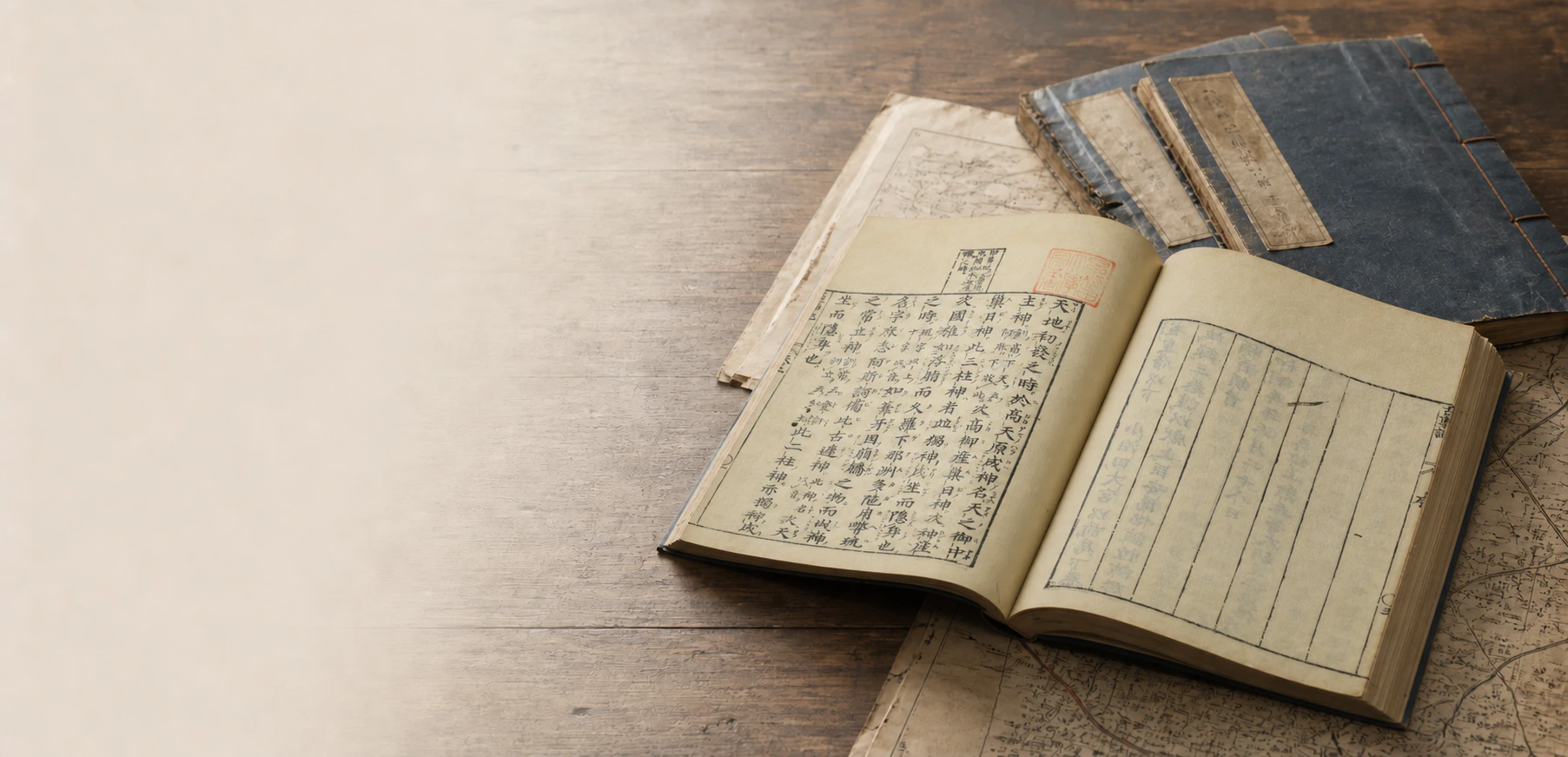
    The Kojiki in an open-book still life

    The Division between Retired Empress Kōken and Junnin's Government

    By 762, the court contained two sovereigns with competing claims to authority: Emperor Junnin, who had taken the throne in 758, and the retired Empress Kōken. Junnin was associated with Fujiwara no Nakamaro, the court's dominant minister. Kōken had meanwhile drawn close to the monk Dōkyō, who had attended her during an illness at Hora Palace.

    When the court returned to Heijō, Junnin resided in the palace while Kōken stayed at Hokke-ji, a temple within the capital. She publicly declared that major affairs and the administration of rewards and punishments belonged to her, leaving routine matters to Junnin. This was a claim to divide government business according to its importance, rather than a second coronation.

    The two establishments still required officials, messages, provisions, and guards. Kōken's temple residence did not place her outside the city's political network. The division made disagreement over who could issue a binding command increasingly serious; in 764, the contest broke into armed conflict when Nakamaro attempted to mobilize forces and Kōken's supporters moved against him.

    Sources and notes ViewHide
    1. [1]

      道鏡奈良国立博物館

    2. [2]

      續日本紀卷二十五:仲麻呂之亂797年官修史書/Wikisource原文轉錄

    3. [3]

      續日本紀卷第廿四797年原史书/公有领域转录

    Reading context

    Reading preferences

    Text size
    Glossary intensity

    Choose how much explanation appears as you read.

    Saved on this device. All terms remain available in the glossary.

    Browse the glossary →
    History Omakase

    Opening reading…