
Skip to content
Chronicle

Search History Omakase

Start typing to search.

    Read The Provisional Ezo Government at Goryōkaku

    Read the article below. Interactive reading tools are available when scripts load.

    Overview

    The Provisional Ezo Government at Goryōkaku

    Enomoto’s northern army occupied Goryōkaku in December 1868 and established a provisional administration through an officers’ election in January 1869. Enomoto became president and Matsudaira Tarō vice-president. This military electorate supplied the leadership; the vote was not an election by Ezo’s population.

    Orders to villages show how the administration operated beyond the fort. Furuya Sakuzāemon’s headquarters at Mori required compliance with extraordinary military duties. One notice prohibited unlawful borrowing by soldiers and directed villagers to bring complaints to Mori. The prohibition shows a problem the authorities sought to control, rather than proof that abuses ceased.

    Another notice addressed dried sea cucumber and abalone, valuable products in foreign trade. It complained of tax avoidance and transactions in which advances had been paid but goods not delivered, and directed trade through the Products Office. The administration was trying to regulate an existing fishing and commercial economy while maintaining its army.

    Government forces defeated the northern army in June, and Goryōkaku surrendered on June 27. A notice from the restored authorities announced that customs business would resume the following day. Military government, village obligations and port commerce passed back under a different authority; the provisional regime did not survive its army’s defeat.

    Sources and notes

    1. Enomoto Government and Hakodate Government Restoration · Hakodate City, Esan Town History
    2. The Hakodate Campaign · Hakodate City, Esan Town History
    3. Boshin–Hakodate War Chronological Table · Boshin War150th Anniversary executive committee
    About these sources

    Back

    1868-1869 | The Provisional Ezo Government at Goryōkaku蝦夷地の新政権

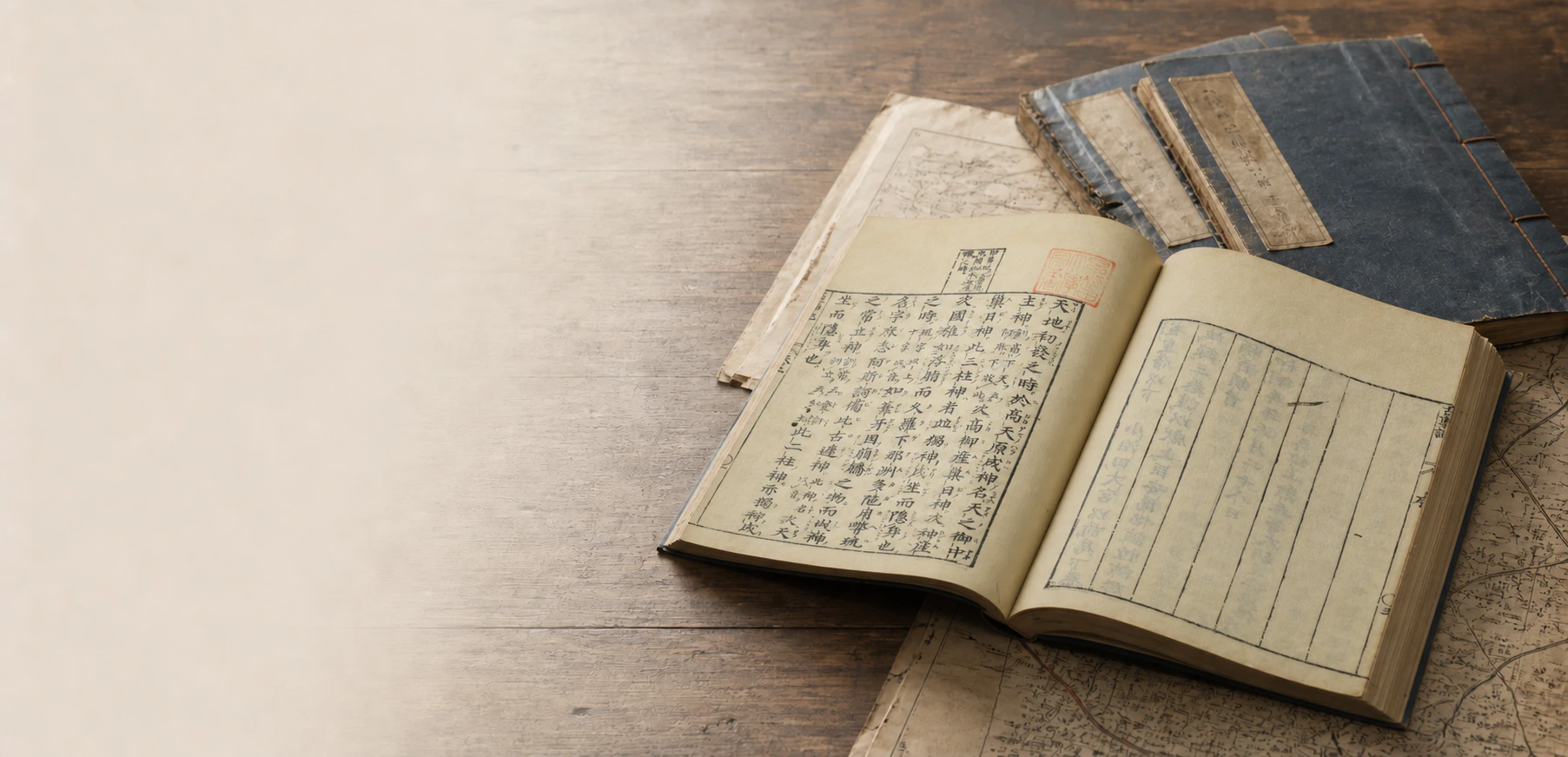
    The Kojiki in an open-book still life

    The Provisional Ezo Government at Goryōkaku

    Enomoto’s northern army occupied Goryōkaku in December 1868 and established a provisional administration through an officers’ election in January 1869. Enomoto became president and Matsudaira Tarō vice-president. This military electorate supplied the leadership; the vote was not an election by Ezo’s population.

    Orders to villages show how the administration operated beyond the fort. Furuya Sakuzāemon’s headquarters at Mori required compliance with extraordinary military duties. One notice prohibited unlawful borrowing by soldiers and directed villagers to bring complaints to Mori. The prohibition shows a problem the authorities sought to control, rather than proof that abuses ceased.

    Another notice addressed dried sea cucumber and abalone, valuable products in foreign trade. It complained of tax avoidance and transactions in which advances had been paid but goods not delivered, and directed trade through the Products Office. The administration was trying to regulate an existing fishing and commercial economy while maintaining its army.

    Government forces defeated the northern army in June, and Goryōkaku surrendered on June 27. A notice from the restored authorities announced that customs business would resume the following day. Military government, village obligations and port commerce passed back under a different authority; the provisional regime did not survive its army’s defeat.

    Sources and notes ViewHide
    1. [1]

      Enomoto Government and Hakodate Government RestorationHakodate City, Esan Town History

    2. [2]

      The Hakodate CampaignHakodate City, Esan Town History

    3. [3]

      Boshin–Hakodate War Chronological TableBoshin War150th Anniversary executive committee

    Reading context

    Reading preferences

    Text size
    Glossary intensity

    Choose how much explanation appears as you read.

    Saved on this device. All terms remain available in the glossary.

    Browse the glossary →
    History Omakase

    Opening reading…