Skip to content
Chronicle

Search History Omakase

Start typing to search.

    Read Kūkai Receives Permission to Establish Kōyasan

    Read the article below. Interactive reading tools are available when scripts load.

    Overview

    Kūkai Receives Permission to Establish Kōyasan

    In 816, Kūkai petitioned Emperor Saga for a mountain practice center at Kōyasan in Kii and received permission. The grant established a place for the esoteric Buddhist teaching he had brought from China. It authorized a project rather than delivering a finished temple complex.

    The temple chronology places Kūkai's first ascent after the grant in 818 and the beginning of major religious and building work in 819. The mountain community needed access, food, timber, workers, and continuing support. Monks and their helpers had to turn permission into buildings and a place where people could live and practice.

    Later traditions describe a hunter, dogs, and deities guiding Kūkai to the site. Those stories express the community's understanding of its sacred landscape. The dated petition and building sequence provide a different kind of evidence for the foundation. Construction and care continued after Kūkai's death in 835, through his successors and later campaigns of rebuilding.

    Sources and notes

    1. 高野山年表 · 金剛峯寺

    About these sources

    Back

    816 | Kūkai Receives Permission to Establish Kōyasan高野山開創の勅許

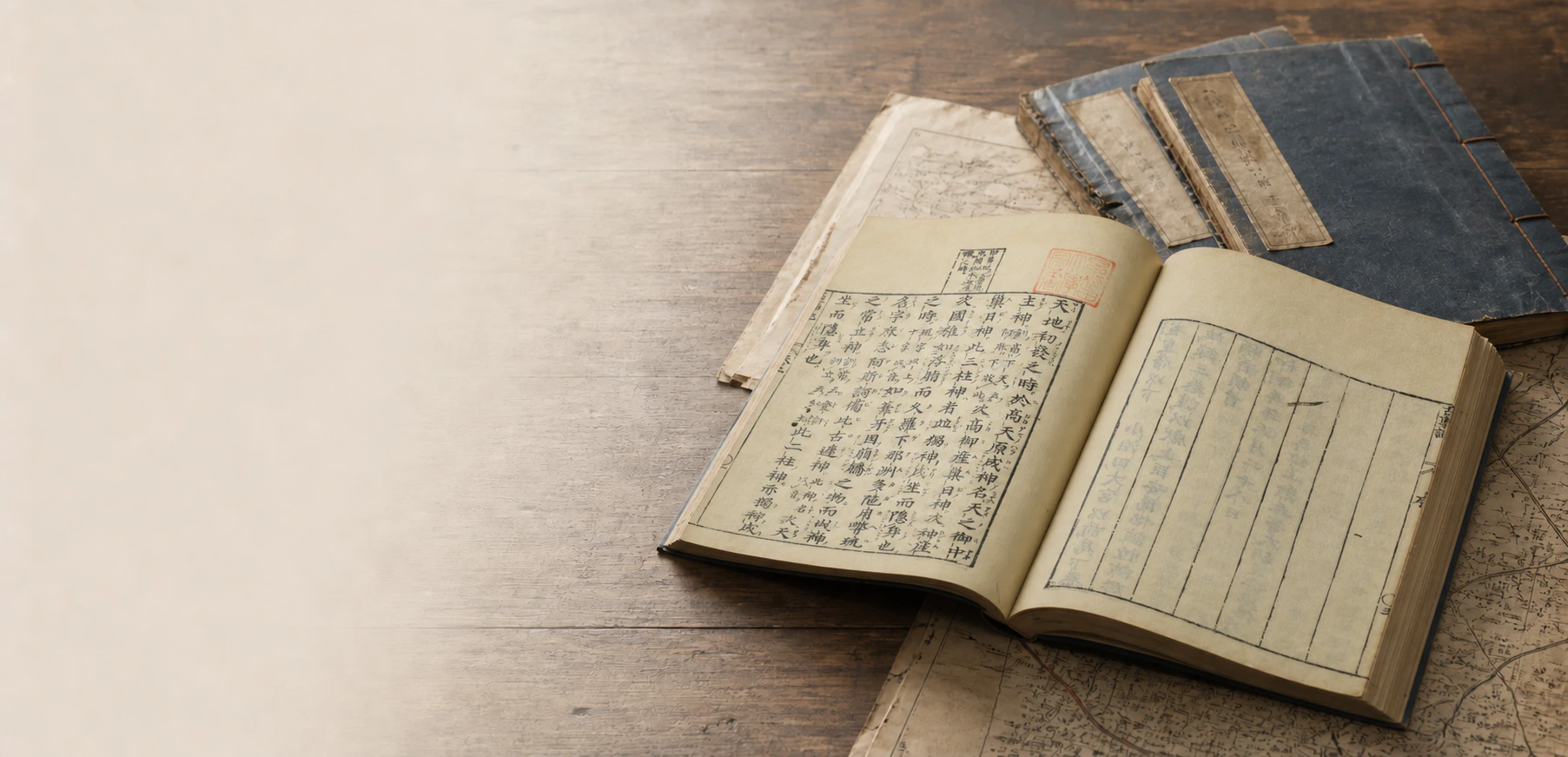
    The Kojiki in an open-book still life

    Kūkai Receives Permission to Establish Kōyasan

    In 816, Kūkai petitioned Emperor Saga for a mountain practice center at Kōyasan in Kii and received permission. The grant established a place for the esoteric Buddhist teaching he had brought from China. It authorized a project rather than delivering a finished temple complex.

    The temple chronology places Kūkai's first ascent after the grant in 818 and the beginning of major religious and building work in 819. The mountain community needed access, food, timber, workers, and continuing support. Monks and their helpers had to turn permission into buildings and a place where people could live and practice.

    Later traditions describe a hunter, dogs, and deities guiding Kūkai to the site. Those stories express the community's understanding of its sacred landscape. The dated petition and building sequence provide a different kind of evidence for the foundation. Construction and care continued after Kūkai's death in 835, through his successors and later campaigns of rebuilding.

    Sources and notes ViewHide
    1. [1]

      高野山年表金剛峯寺

    Reading context

    Reading preferences

    Text size
    Glossary intensity

    Choose how much explanation appears as you read.

    Saved on this device. All terms remain available in the glossary.

    Browse the glossary →
    History Omakase

    Opening reading…