
Skip to content
Chronicle

Search History Omakase

Start typing to search.

    Read Genpaku Writes Rangaku kotohajime

    Read the article below. Interactive reading tools are available when scripts load.

    Overview

    Genpaku Writes Rangaku kotohajime

    Sugita Genpaku wrote Rangaku kotohajime in 1815 and sent it to Ōtsuki Gentaku. He asked Gentaku to correct and preserve the account for later generations. The memoir traced Dutch learning through interpreters, copied dictionaries, book purchases and the anatomy project in which Genpaku had participated.

    His descriptions give other people concrete roles. Maeno Ryōtaku studied vocabulary in Nagasaki and brought books back; domain officials helped Genpaku obtain an illustrated anatomy book; physicians compared its pictures with an autopsy in 1771. The subsequent translation required meetings, uncertain terminology and repeated revision. These are Genpaku’s remembered explanations, written more than forty years after that observation.

    The text’s later publication was another event. A manuscript preserved through Gentaku became the basis of the corrected woodblock edition issued in 1869 by Sugita Renkei with Fukuzawa Yukichi and others’ support. The memoir consequently reached a wider readership after Genpaku’s death. It remains evidence of how a participant remembered the project and its predecessors, rather than a contemporaneous transcript of each conversation.

    Sources and notes

    1. 蘭學事始・公版原文 · Sugita Genpaku / Wikisource
    2. 解体新書・蘭学事始 · Tokyo Museum Collection

    About these sources

    Back

    1815 | Genpaku Writes Rangaku kotohajime『蘭学事始』の執筆

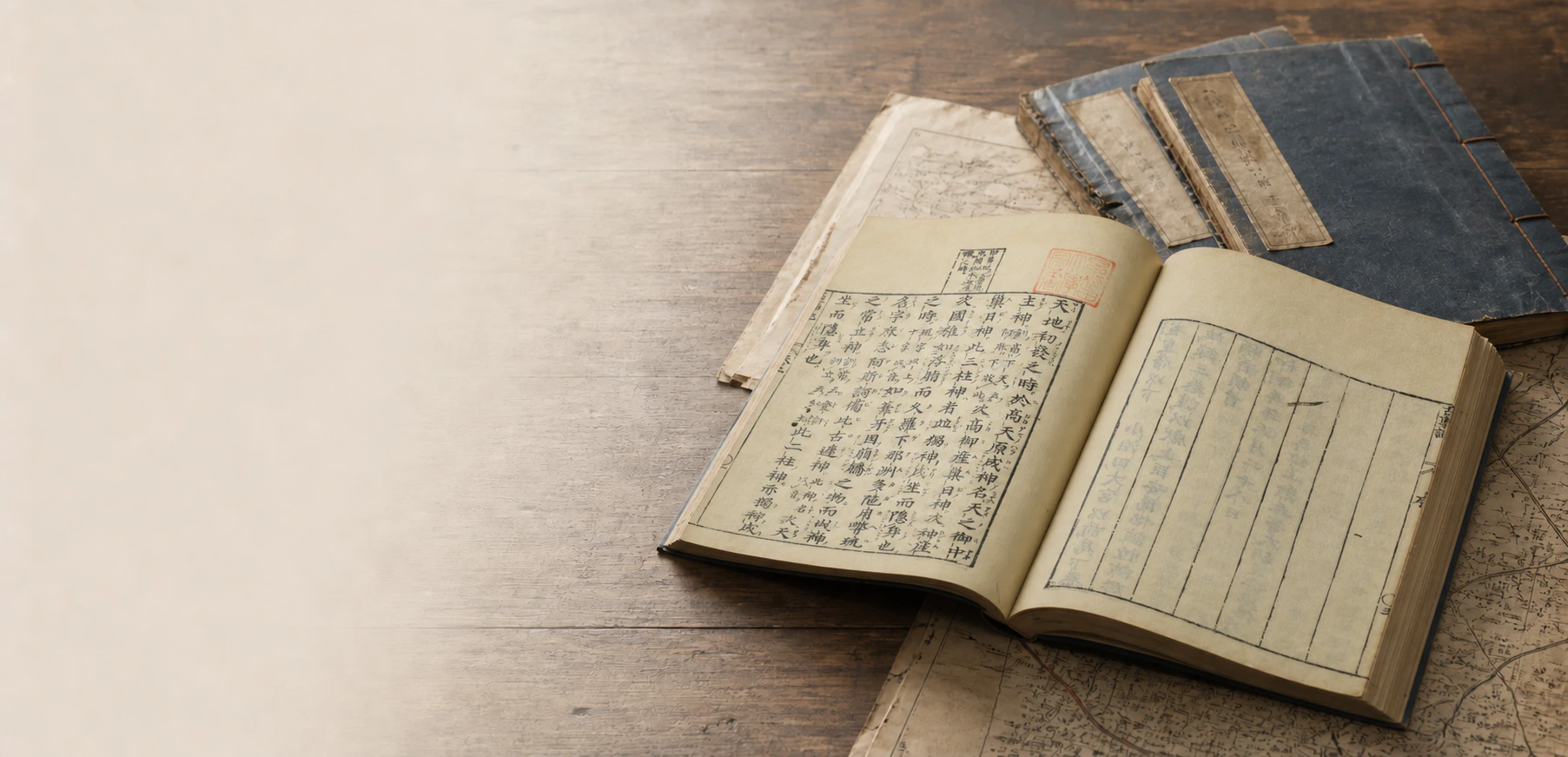
    The Kojiki in an open-book still life

    Genpaku Writes Rangaku kotohajime

    Sugita Genpaku wrote Rangaku kotohajime in 1815 and sent it to Ōtsuki Gentaku. He asked Gentaku to correct and preserve the account for later generations. The memoir traced Dutch learning through interpreters, copied dictionaries, book purchases and the anatomy project in which Genpaku had participated.

    His descriptions give other people concrete roles. Maeno Ryōtaku studied vocabulary in Nagasaki and brought books back; domain officials helped Genpaku obtain an illustrated anatomy book; physicians compared its pictures with an autopsy in 1771. The subsequent translation required meetings, uncertain terminology and repeated revision. These are Genpaku’s remembered explanations, written more than forty years after that observation.

    The text’s later publication was another event. A manuscript preserved through Gentaku became the basis of the corrected woodblock edition issued in 1869 by Sugita Renkei with Fukuzawa Yukichi and others’ support. The memoir consequently reached a wider readership after Genpaku’s death. It remains evidence of how a participant remembered the project and its predecessors, rather than a contemporaneous transcript of each conversation.

    Sources and notes ViewHide
    1. [1]

      蘭學事始・公版原文Sugita Genpaku / Wikisource

    2. [2]

      解体新書・蘭学事始Tokyo Museum Collection

    Reading context

    Reading preferences

    Text size
    Glossary intensity

    Choose how much explanation appears as you read.

    Saved on this device. All terms remain available in the glossary.

    Browse the glossary →
    History Omakase

    Opening reading…