Skip to content
Chronicle

Search History Omakase

Start typing to search.

    Read The Tenmei Famine

    Read the article below. Interactive reading tools are available when scripts load.

    Overview

    The Tenmei Famine

    The Tenmei famine developed through repeated bad harvests during the 1780s. Cold winds and prolonged rain damaged crops, with severe shortages in eastern and northeastern Japan in 1783 and again in 1786. Asama’s 1783 eruption added disruption to a crisis already under way. The usual 1782–1787 famine period also left distress into 1788.

    Food availability depended on movement as well as harvests. Domains restricted grain exports to protect local supplies, while towns and other territories still needed imported rice. Poor households faced rising prices, hunger, disease and departure from their villages. Relief purchases and distributions varied between governments; reserves and delivery arrangements could fail where demand was greatest.

    At Shirakawa, Matsudaira Sadanobu acted while his father Sadakuni was still lord. He obtained rice from the domain’s less affected Echigo territory and negotiated transit through Aizu. This was a particular supply response, rather than proof that the wider crisis could be ended by one ruler. Urban attacks on rice dealers in 1787 exposed continuing anger over food prices. Later reformers emphasized grain storage and rural recovery. Mortality estimates differ sharply, and population loss also includes migration.

    Sources and notes

    1. 天明の飢饉 · Shōgakukan / Heibonsha
    2. 天明の飢饉と松平定信 · Shirakawa City

    About these sources

    Back

    1782-1788 | The Tenmei Famine天明の飢饉

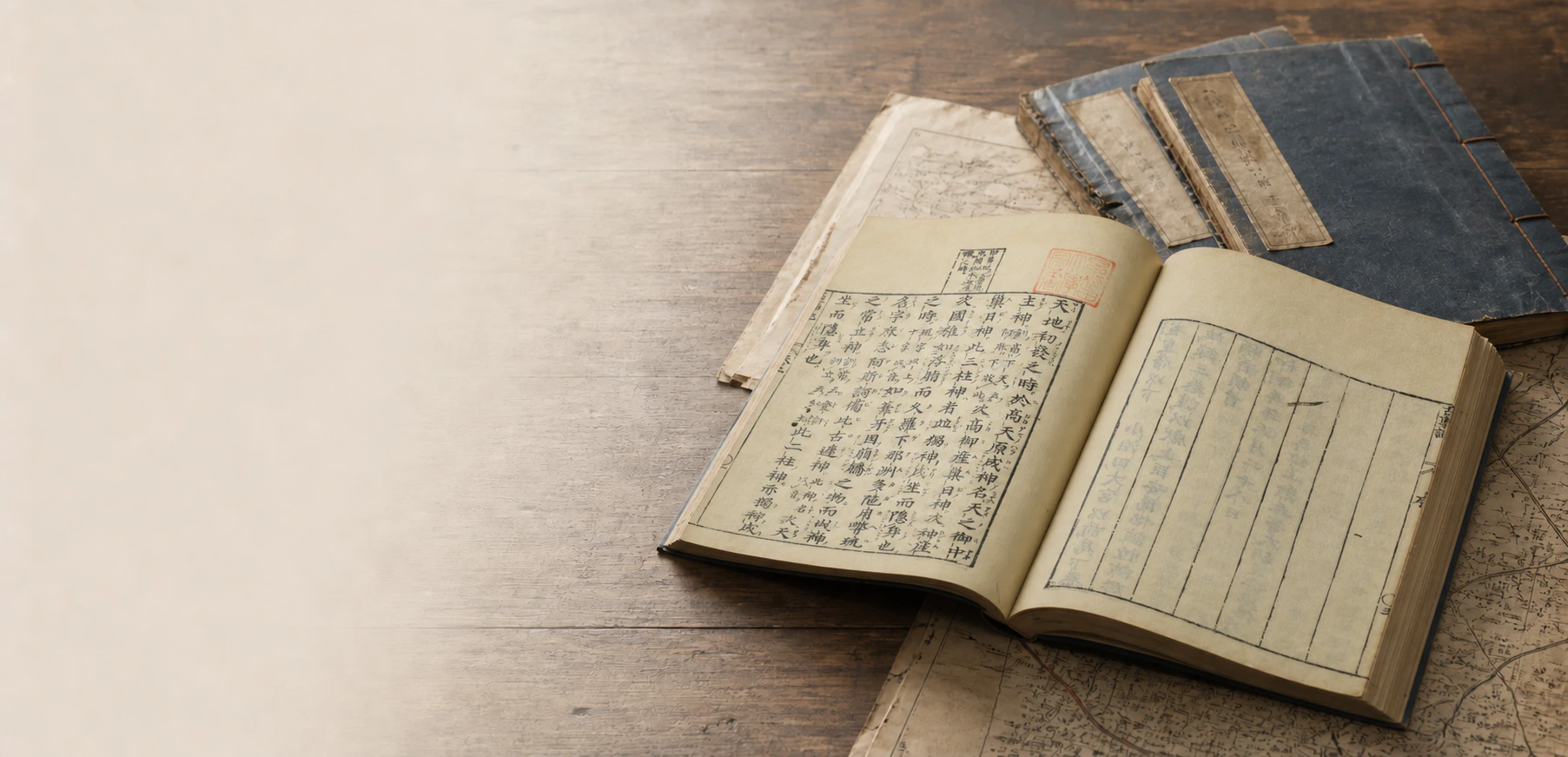
    The Kojiki in an open-book still life

    The Tenmei Famine

    The Tenmei famine developed through repeated bad harvests during the 1780s. Cold winds and prolonged rain damaged crops, with severe shortages in eastern and northeastern Japan in 1783 and again in 1786. Asama’s 1783 eruption added disruption to a crisis already under way. The usual 1782–1787 famine period also left distress into 1788.

    Food availability depended on movement as well as harvests. Domains restricted grain exports to protect local supplies, while towns and other territories still needed imported rice. Poor households faced rising prices, hunger, disease and departure from their villages. Relief purchases and distributions varied between governments; reserves and delivery arrangements could fail where demand was greatest.

    At Shirakawa, Matsudaira Sadanobu acted while his father Sadakuni was still lord. He obtained rice from the domain’s less affected Echigo territory and negotiated transit through Aizu. This was a particular supply response, rather than proof that the wider crisis could be ended by one ruler. Urban attacks on rice dealers in 1787 exposed continuing anger over food prices. Later reformers emphasized grain storage and rural recovery. Mortality estimates differ sharply, and population loss also includes migration.

    Sources and notes ViewHide
    1. [1]

      天明の飢饉Shōgakukan / Heibonsha

    2. [2]

      天明の飢饉と松平定信Shirakawa City

    Reading context

    Reading preferences

    Text size
    Glossary intensity

    Choose how much explanation appears as you read.

    Saved on this device. All terms remain available in the glossary.

    Browse the glossary →
    History Omakase

    Opening reading…