Restrictions on Love-Suicide Stories
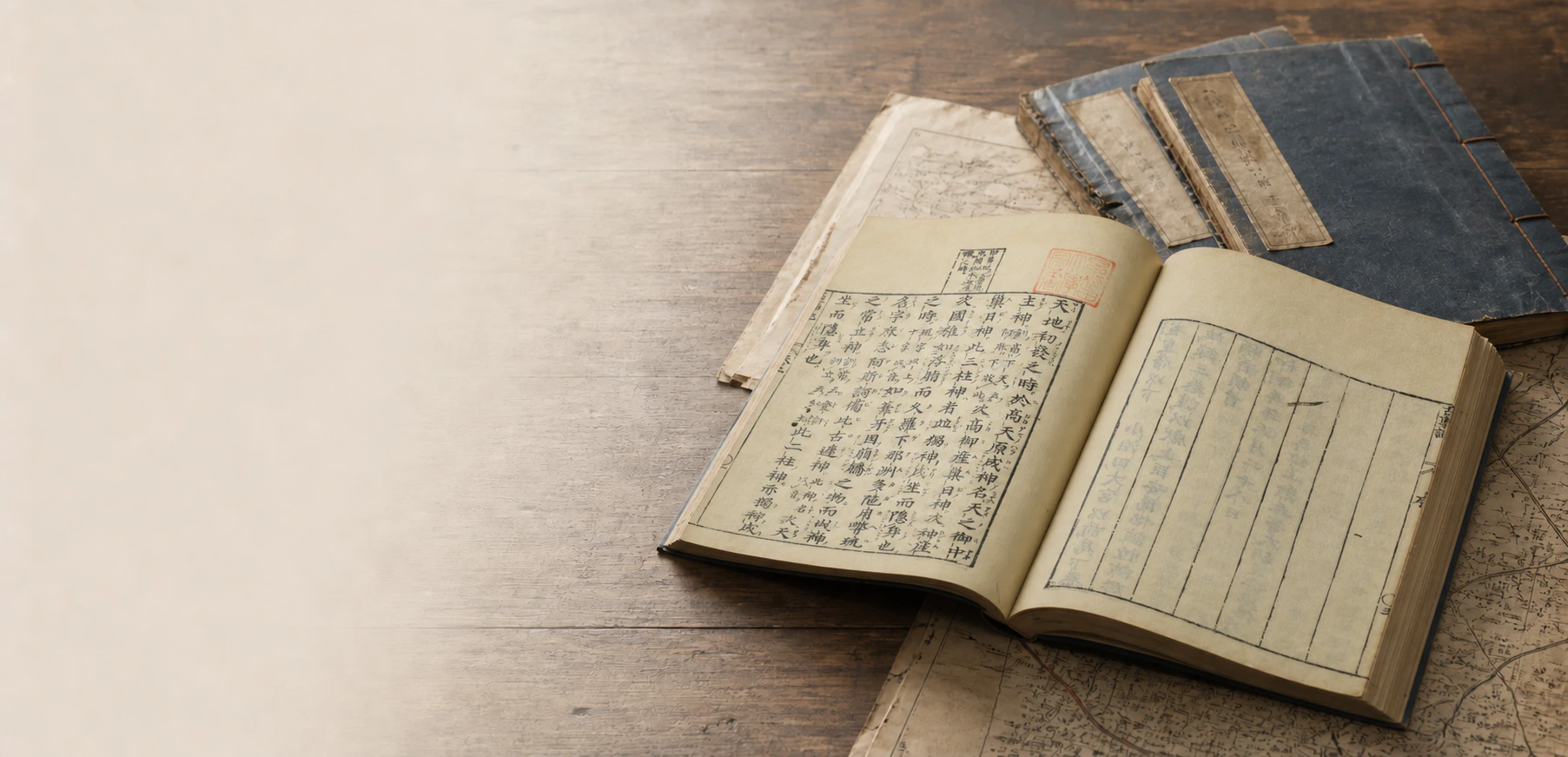
In 1722–1723, Tokugawa authorities tightened regulation of paired suicides and the plays and writings drawn from them. A 1722 rule concerning men and women who agreed to die together survives in the legal compilation Tokugawa Kinreikō. Restrictions on theatrical and literary representations followed during the same two-year period, treating the genre as harmful to public morals.
Chikamatsu’s Shinjū yoi-gōshin, first performed in the fourth month of 1722, became his last sewamono, or contemporary-life play. The restrictions curtailed an established form of successful theater. They also affected playwrights, theater managers, performers and publishers whose work turned recent deaths into public stories.
Chikamatsu continued with period drama and helped train younger writers, including the future Bunkōdō and the theater manager Takeda Izumo. His final puppet play, Kanhasshū tsunagiuma, premiered in 1724. The regulatory sequence changed the conditions under which love-suicide stories could circulate; Chikamatsu’s subsequent work shows that his writing and the theater continued in other forms.
Sources and notes ViewHide
- [1]
1722心中取締令の所在Saitama Prefectural Kuki Library / NDL reference database
- [2]
近松晩年の作品と心中物禁止Japan Arts Council