
Skip to content
Chronicle

Search History Omakase

Start typing to search.

    Read Kazunomiya Travels from Kyoto to Edo

    Read the article below. Interactive reading tools are available when scripts load.

    Overview

    Kazunomiya Travels from Kyoto to Edo

    The shogunate arranged Kazunomiya’s journey after securing court approval for her marriage to Tokugawa Iemochi. She had already been betrothed to Prince Arisugawa Taruhito and initially opposed the match. Emperor Kōmei accepted it conditionally, expecting the shogunate to address foreign treaties and expulsion.

    The Nakasendō route was settled in 1861. Officials published an itinerary and assigned domains to guard its stages. Court attendants, the shogunate’s reception party and hired carriers passed through a succession of post stations, making the alliance a substantial transport operation before the wedding in 1862.

    At Nakatsugawa, a surviving diagram records the porters’ accommodation: enclosed open ground without roofs, crowded with people, baggage and cooking space. Rain during the overnight stop brought hardship and illness. Those arrangements show whose labor supported the ceremonial journey. Kazunomiya reached Edo, but the marriage’s completion did not fulfill the court’s demand to end foreign trade.

    Sources and notes

    1. 和宮の東下 · Nagano City History
    2. 和宮宿泊時の人足囲所 · Nakatsugawa Nakasendō Historical Museum

    3. 皇女和宮の通行 · Nakatsugawa Nakasendō Historical Museum

    About these sources

    Back

    1861-1862 | Kazunomiya Travels from Kyoto to Edo和宮の江戸下向

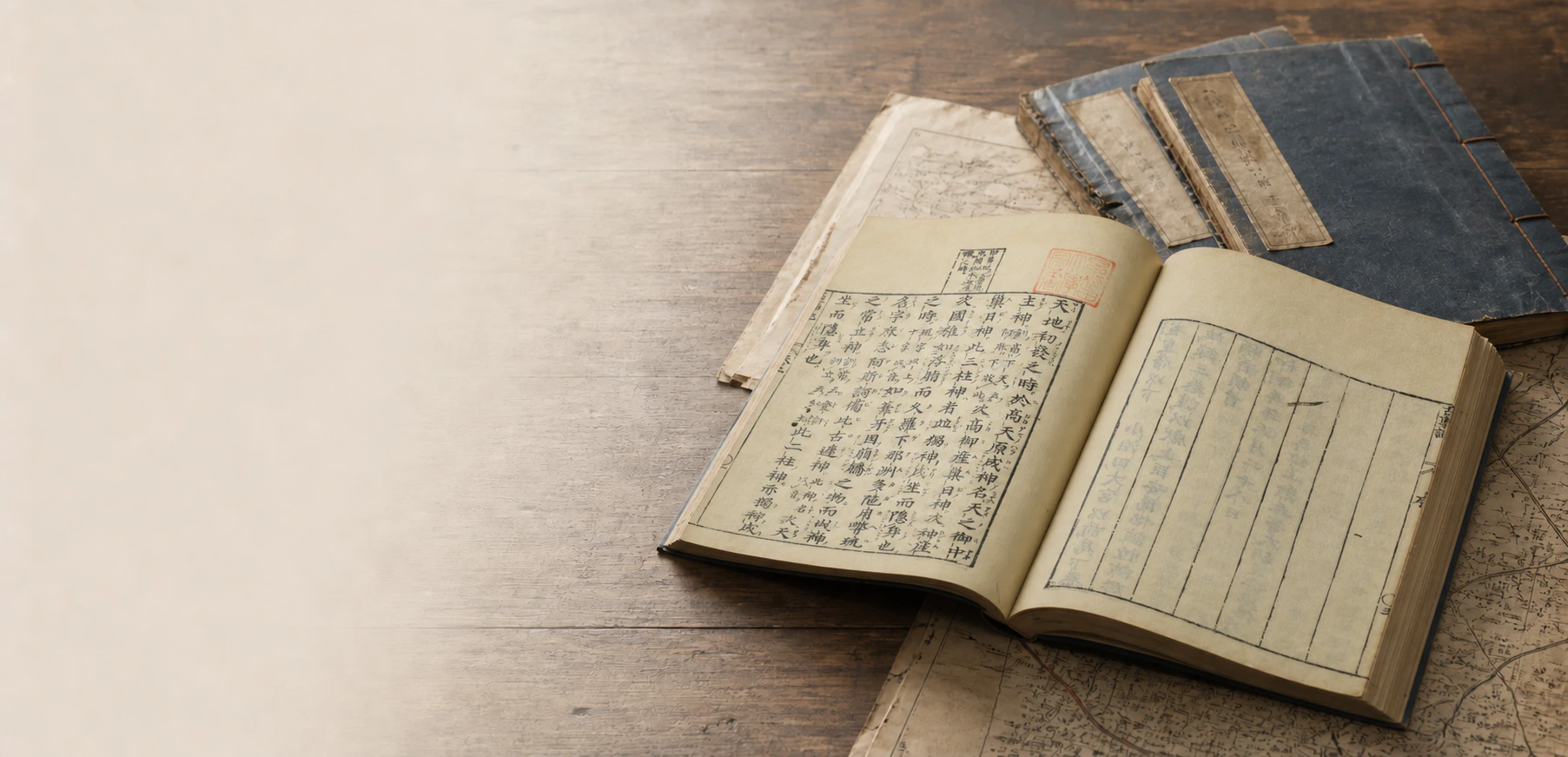
    The Kojiki in an open-book still life

    Kazunomiya Travels from Kyoto to Edo

    The shogunate arranged Kazunomiya’s journey after securing court approval for her marriage to Tokugawa Iemochi. She had already been betrothed to Prince Arisugawa Taruhito and initially opposed the match. Emperor Kōmei accepted it conditionally, expecting the shogunate to address foreign treaties and expulsion.

    The Nakasendō route was settled in 1861. Officials published an itinerary and assigned domains to guard its stages. Court attendants, the shogunate’s reception party and hired carriers passed through a succession of post stations, making the alliance a substantial transport operation before the wedding in 1862.

    At Nakatsugawa, a surviving diagram records the porters’ accommodation: enclosed open ground without roofs, crowded with people, baggage and cooking space. Rain during the overnight stop brought hardship and illness. Those arrangements show whose labor supported the ceremonial journey. Kazunomiya reached Edo, but the marriage’s completion did not fulfill the court’s demand to end foreign trade.

    Sources and notes ViewHide
    1. [1]

      和宮の東下Nagano City History

    2. [2]

      和宮宿泊時の人足囲所Nakatsugawa Nakasendō Historical Museum

    3. [3]

      皇女和宮の通行Nakatsugawa Nakasendō Historical Museum

    Reading context

    Reading preferences

    Text size
    Glossary intensity

    Choose how much explanation appears as you read.

    Saved on this device. All terms remain available in the glossary.

    Browse the glossary →
    History Omakase

    Opening reading…