

Edo period
Matsudaira Nobutsuna
松平信綱
Overview
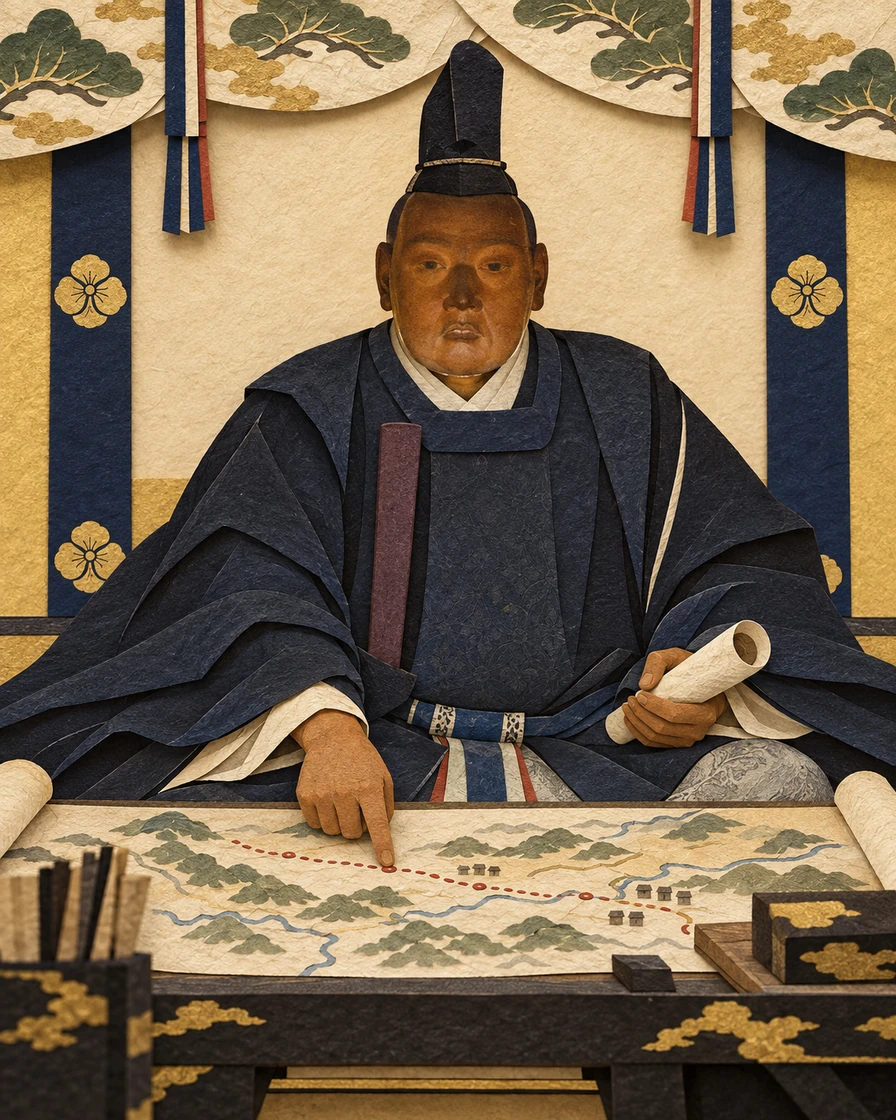
Matsudaira Nobutsuna (1596–1662) was born into the Ōkōchi family and adopted by his uncle Matsudaira Masatsuna. In 1604 he was assigned as a page to the newborn heir, the future Iemitsu, and he became a rōjū, a senior councilor of the shogunate, in 1633. Personal service grew into responsibility for national government. His later lordship at Kawagoe, received in 1639, also gave him a territory in which to carry out administration directly. [S01, S02]
During the Shimabara-Amakusa rising he commanded shogunal forces with Toda Ujikane. The fall of Hara Castle in 1638 brought mass killing, including the death of Amakusa Shirō. After Iemitsu died in 1651, Nobutsuna helped sustain the government of the new shogun Ietsuna alongside other senior officials. He also dealt with the 1651 Keian conspiracy crisis and the reconstruction following Edo’s great fire of 1657. His work joined military coercion to the maintenance of government through succession and urban disaster. [S01, S04]
At Kawagoe he promoted transport, land surveys and settlement. In 1655 he ordered his retainer Yasumatsu Kin’emon to build the Nobitome waterway, drawing from the Tamagawa Aqueduct to supply drinking water to settlers on a dry plateau. Nobutsuna died in 1662. Later anecdotes celebrated him as “the wise Izu,” using his court title; his more tangible legacy lay in administrative work and water infrastructure, alongside his role in violent suppression. [S01, S02, S03]
Sources and notes ViewHide
- [1]
松平信綱 — 世界大百科事典大野瑞男 (Ōno Mizuo)
- [2]
松平信綱 — 信綱言行録National Archives of Japan
- [3]
野火止用水についてNiiza City
- [4]
天草四郎 — 日本大百科全書中村質 (Nakamura Tadashi)
Matsudaira Nobutsuna (1596–1662) was born into the Ōkōchi family and adopted by
was assigned as a page to the newborn heir, the future Iemitsu,
The fall of Hara Castle in 1638 brought mass killing, including the
His later lordship at Kawagoe, received in 1639, also gave him a
Connections
Places
No linked places yet.
Events
The Shimabara–Amakusa Uprising and the Siege of Hara
島原・天草一揆
People in Shimabara and Amakusa rose against harsh taxation and Christian persecution in 1637, gathered at Hara Castle, and were defeated by shogunal forces in 1638, with most of those inside killed.
Relationships
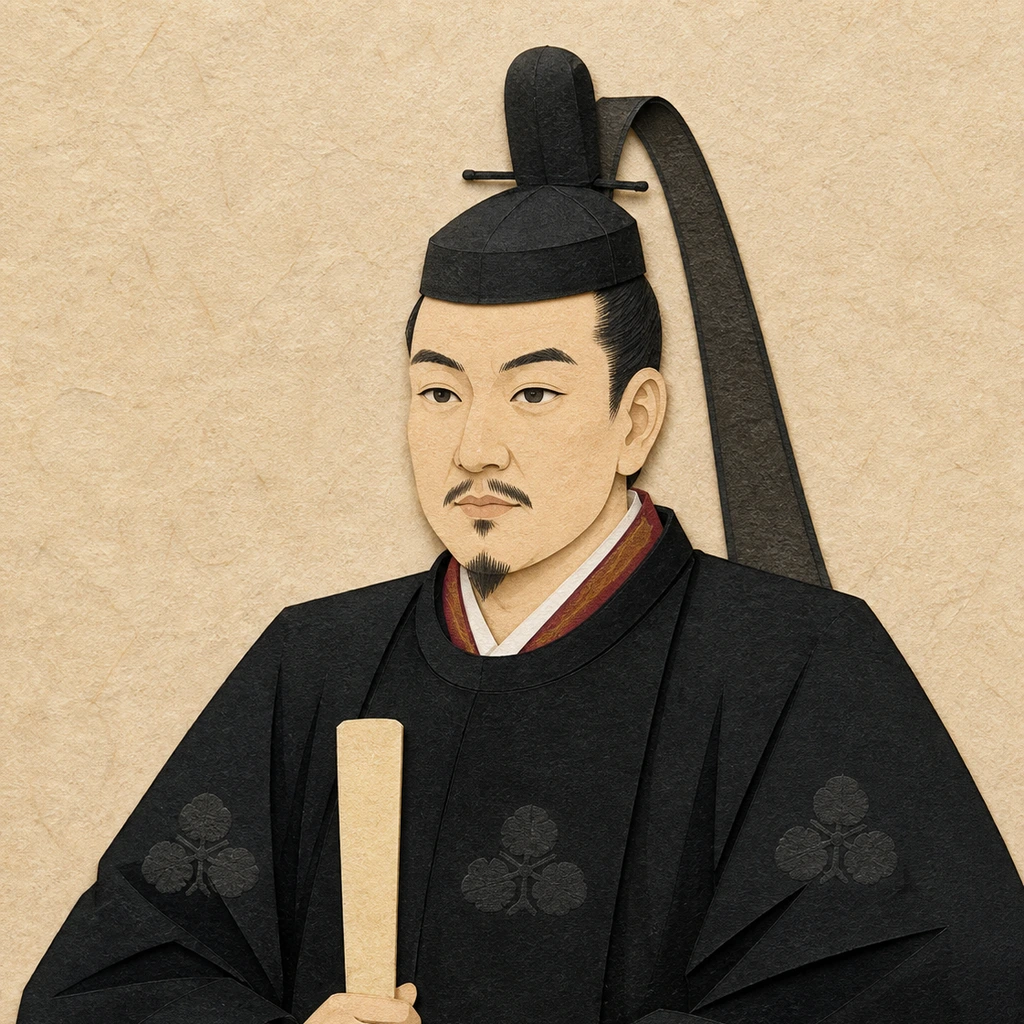 Suppression Command DelegationTokugawa Iemitsu徳川家光Iemitsu's bakufu assigned Nobutsuna senior command responsibilities in the final suppression of the Shimabara-Amakusa uprisingEvidence grade B
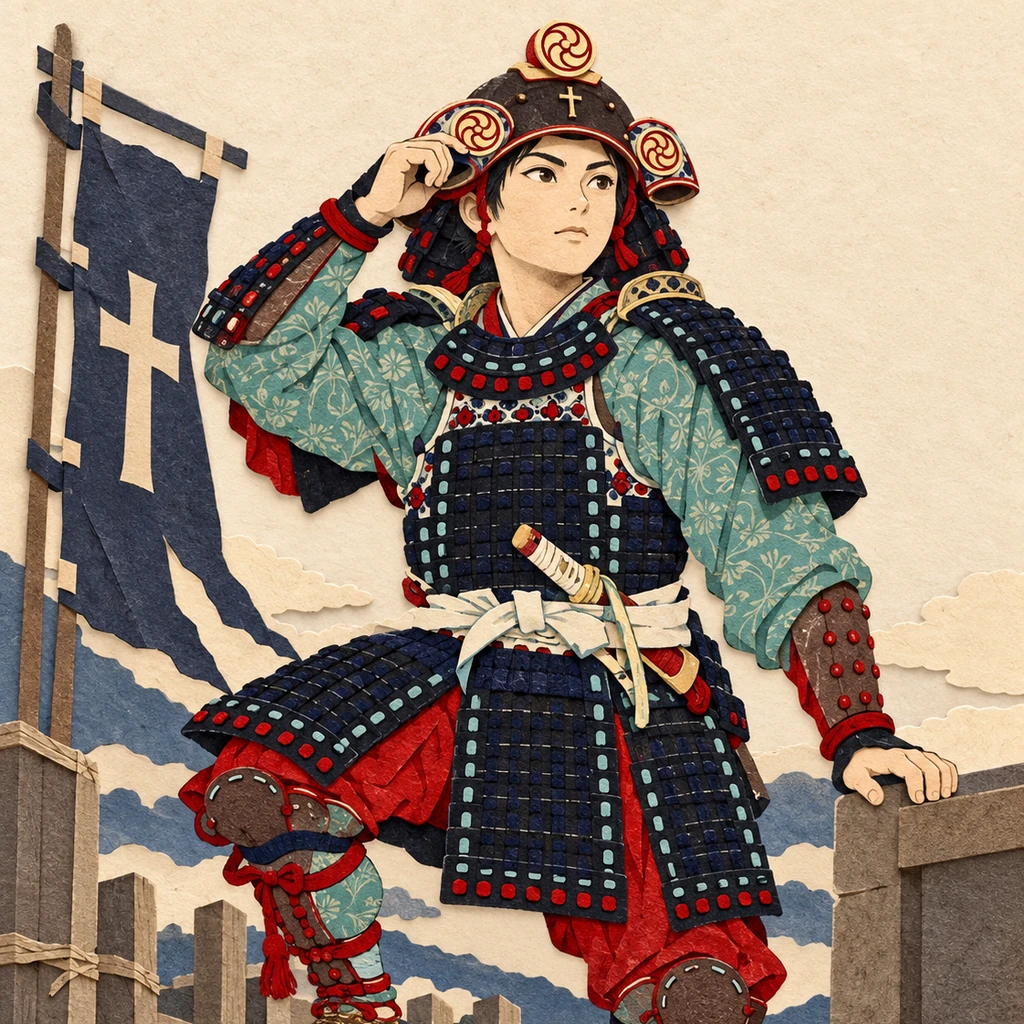 Institutional Campaign OppositionAmakusa Shirō天草四郎Nobutsuna represented senior bakufu command while Amakusa Shirō was represented by the uprising camp as a principal leader during the final Shimabara-Amakusa siegeEvidence grade C
Topics
Hara Castle Ruins: Living Inside a Rebellion
Small shelters, remade bullets and messages across the lines reveal how people inhabited a fortress—and how little the walls could settle for them.
Read