

Meiji period
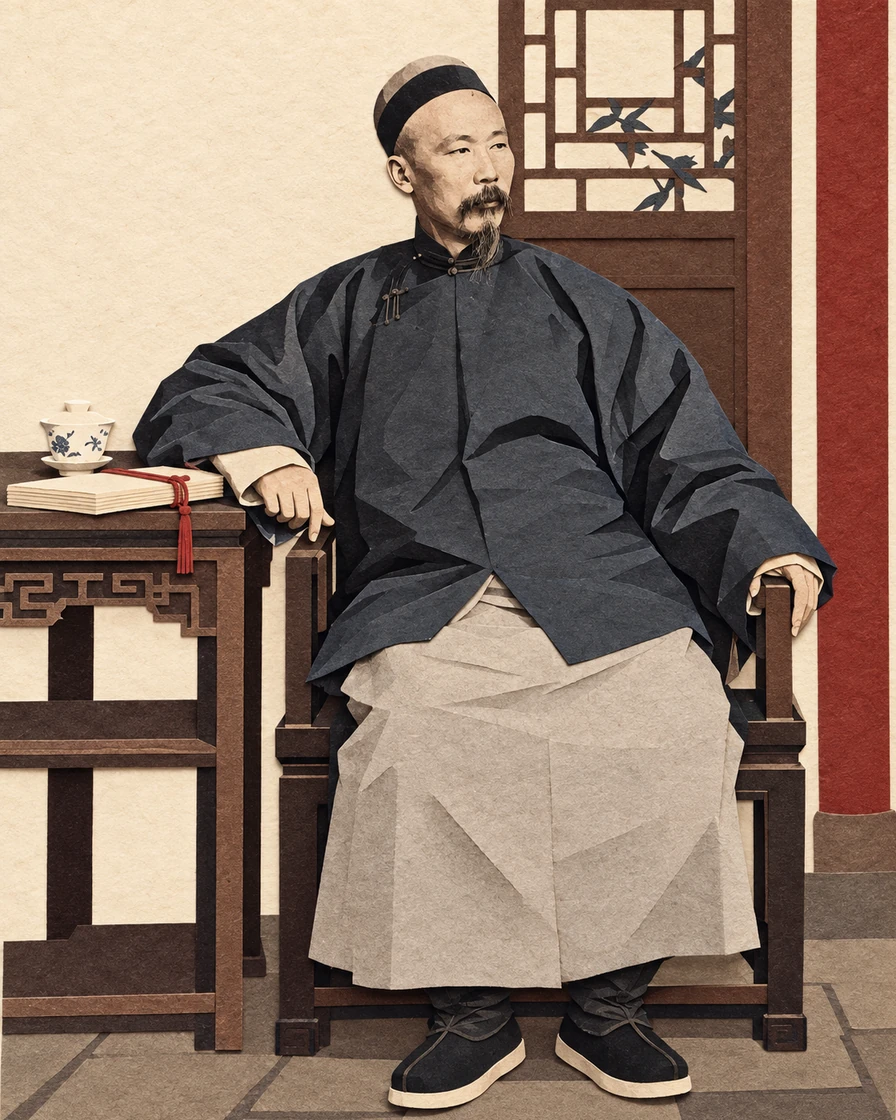
Li Hongzhang
李鴻章
Overview
Li Hongzhang (1823–1901), from Hefei in China’s Anhui province, passed the highest-level civil-service examination in 1847. The Taiping rebellion drew him into military service under Zeng Guofan. He organized the Huai Army and moved to defend Shanghai in 1862, combining locally recruited forces with foreign weapons and assistance. Campaigns against the Taiping and Nian rebels brought senior provincial appointments; in 1870 he became governor-general of Zhili, the region surrounding Beijing. [S01, S02]
His armies, official position and advisers sustained a leading role in the Qing dynasty’s self-strengthening movement. He supported arsenals, steamship transport, mines, telegraphs and the Beiyang navy. Some enterprises combined official supervision with merchant investment and management: commercial revenues and industrial supplies could support military power. These projects expanded technical capacity while preserving dynastic government, but competing interests and uneven modernization restricted their effectiveness. [S01, S02]
Defeat in the 1894–1895 war with Japan shattered the Beiyang fleet and weakened his political standing. As an authorized Qing negotiator, Li went to Shimonoseki, where a Japanese attacker shot and wounded him on 24 March 1895, forcing him to withdraw temporarily from the talks. He later signed the Treaty of Shimonoseki, accepting territorial cessions and a heavy indemnity. He subsequently negotiated with Russia and returned to senior office during the Boxer crisis. He signed the 1901 settlement and died in Beijing that year. The official who had strengthened Qing armies and industries ended his career bargaining over the costs of their inability to secure the dynasty against foreign powers. [S01, S03, S02]
Sources and notes ViewHide
- [1]
李鴻章 — 日本大百科全書 / 世界大百科事典小島晋治 (Kojima Shinji); Heibonsha editorial reference
- [2]
徐三庚 “李鸿章印”“文华殿大学士”对章Shanghai Museum
- [3]
日清両国媾和条約及別約・御署名原本 — 日清戦争National Archives of Japan
Li Hongzhang (1823–1901), from Hefei in China’s Anhui province, passed the highest-level
organized the Huai Army and moved to defend Shanghai in 1862, combining
Campaigns against the Taiping and Nian rebels brought senior provincial appointments; in
Defeat in the 1894–1895 war with Japan shattered the Beiyang fleet and
Connections
Places
No linked places yet.
Events
The Sino-Japanese War and the Treaty of Shimonoseki
日清戦争と下関条約
In the Sino-Japanese War of 1894–95, Japan defeated Qing forces in Korea and China, securing an indemnity, Taiwan and the Penghu Islands, while European intervention forced it to relinquish Liaodong.
Relationships
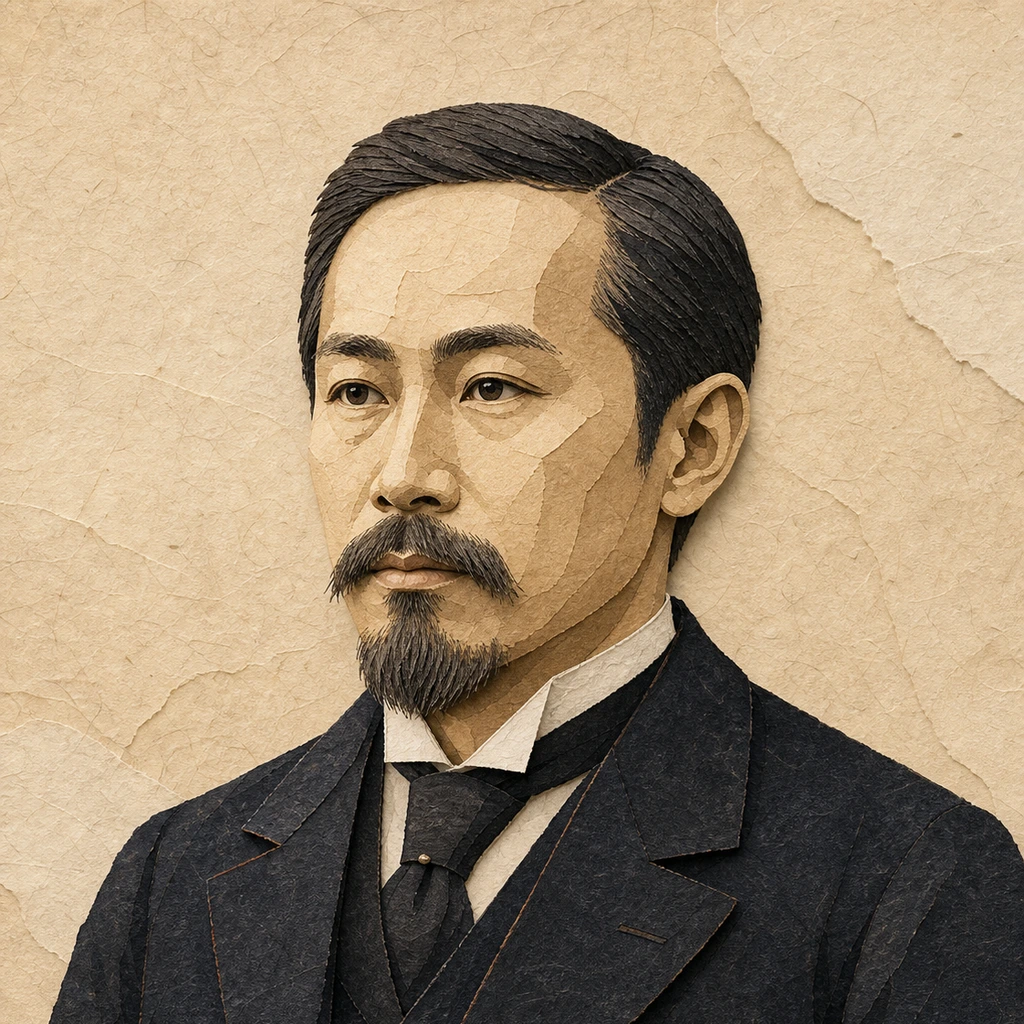 Diplomatic Negotiation CounterpartsItō Hirobumi伊藤博文Itō for Japan and Li Hongzhang for Qing negotiated as opposing plenipotentiaries at Shimonoseki in 1895Evidence grade B
 Diplomatic Negotiation CounterpartsMutsu Munemitsu陸奥宗光Mutsu for Japan and Li Hongzhang for Qing negotiated as opposing plenipotentiaries at Shimonoseki in 1895Evidence grade B
Topics
No related topics yet.