
Skip to content
Chronicle

Search History Omakase

Start typing to search.

    Read The Kōshū Campaign Destroys the Takeda Domain

    Read the article below. Interactive reading tools are available when scripts load.

    Overview

    The Kōshū Campaign Destroys the Takeda Domain

    The Takeda still held an extensive domain after Nagashino, but later pressure weakened its defenses. Ieyasu captured Takatenjin in 1581, and Katsuyori faced Hōjō attacks as well. He built Shinpu and moved his headquarters there late that year. Surviving document abstracts record labor requisitions for the new base alongside continuing provincial military orders.

    In early 1582, Kiso Yoshimasa changed sides and requested Oda assistance. Nobutada’s troops entered Shinano through multiple approaches, while Ieyasu advanced from the Suruga side with Anayama Nobukimi, another former Takeda ally. Some defenders surrendered or withdrew. At Takato, however, Nishina Morinobu’s garrison resisted an assault before the castle fell.

    Katsuyori burned Shinpu on the third day of the third Japanese month and fled east, seeking support from Oyamada Nobushige. That refuge failed. Oda pursuers reached his remaining party near Tenmokuzan, where Katsuyori, his wife and his son Nobukatsu died on the eleventh day. Gyūichi’s account also describes the killing of women and other household members during the collapse; the victorious Oda narrator’s description gives no secure total for those deaths.

    Nobunaga divided the conquered territories among commanders and allies, including Suruga for Ieyasu. The Takeda domain’s independent leadership ended, but occupation did not create a settled eastern order. Nobunaga’s death at Honnōji later in 1582 disrupted the new assignments and reopened competition in the former Takeda lands. The rapid campaign depended on defections and converging armies, with Takato’s resistance showing that surrender was not universal.

    Sources and notes

    1. 信長公記:桶狭間・入京・槇島・長篠・大坂 · Ōta Gyūichi, Machida manuscript edition published by Hokiyama Kageo, 1881, public domain
    2. 信濃史料巻十五:1581–1582 · Nagano Prefectural Museum of History
    3. 国指定史跡・新府城跡 · Yamanashi Prefecture Cultural Properties

    About these sources

    Back

    1582 | The Kōshū Campaign Destroys the Takeda Domain甲州征討と武田氏の滅亡

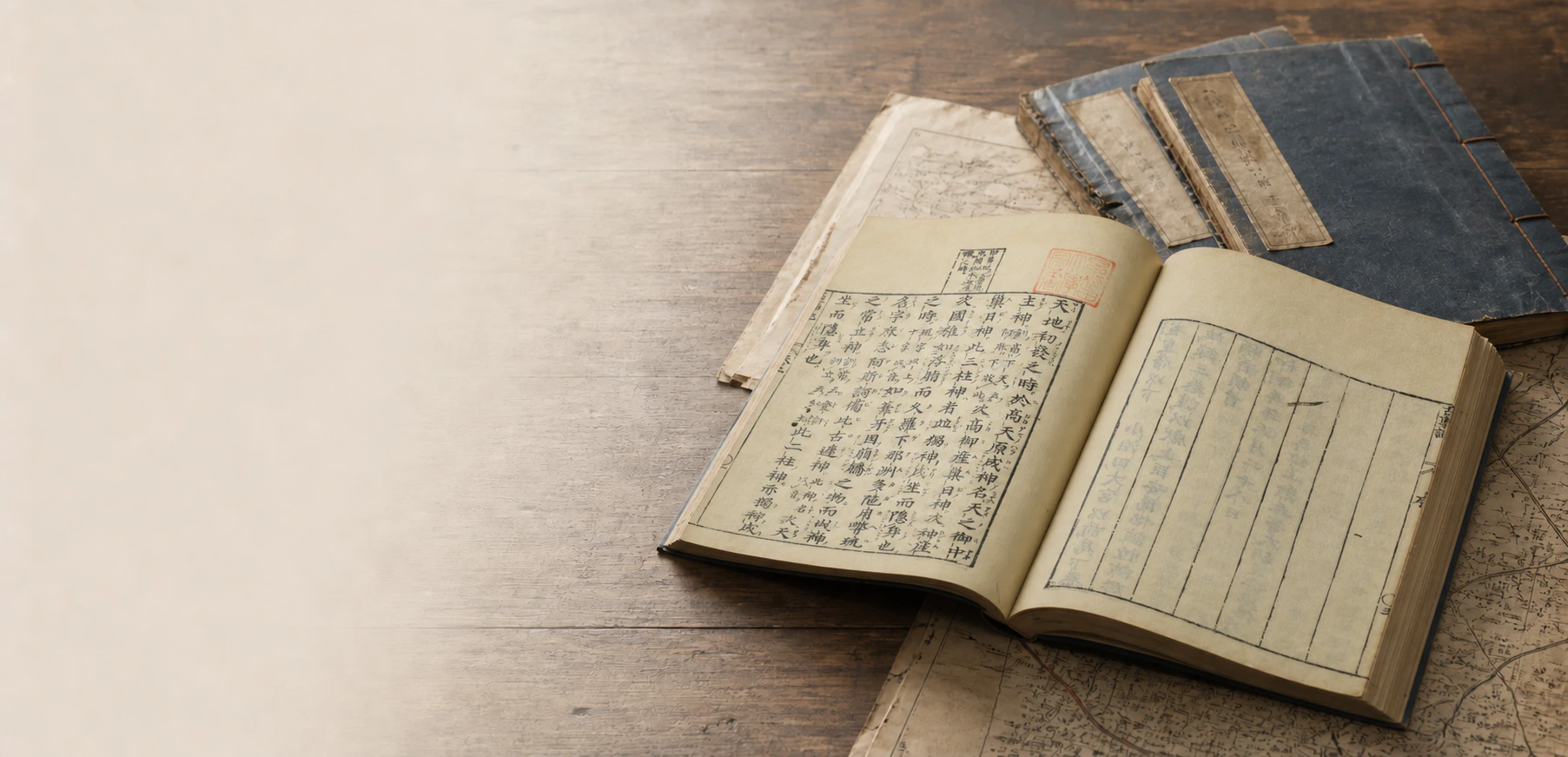
    The Kojiki in an open-book still life

    The Kōshū Campaign Destroys the Takeda Domain

    The Takeda still held an extensive domain after Nagashino, but later pressure weakened its defenses. Ieyasu captured Takatenjin in 1581, and Katsuyori faced Hōjō attacks as well. He built Shinpu and moved his headquarters there late that year. Surviving document abstracts record labor requisitions for the new base alongside continuing provincial military orders.

    In early 1582, Kiso Yoshimasa changed sides and requested Oda assistance. Nobutada’s troops entered Shinano through multiple approaches, while Ieyasu advanced from the Suruga side with Anayama Nobukimi, another former Takeda ally. Some defenders surrendered or withdrew. At Takato, however, Nishina Morinobu’s garrison resisted an assault before the castle fell.

    Katsuyori burned Shinpu on the third day of the third Japanese month and fled east, seeking support from Oyamada Nobushige. That refuge failed. Oda pursuers reached his remaining party near Tenmokuzan, where Katsuyori, his wife and his son Nobukatsu died on the eleventh day. Gyūichi’s account also describes the killing of women and other household members during the collapse; the victorious Oda narrator’s description gives no secure total for those deaths.

    Nobunaga divided the conquered territories among commanders and allies, including Suruga for Ieyasu. The Takeda domain’s independent leadership ended, but occupation did not create a settled eastern order. Nobunaga’s death at Honnōji later in 1582 disrupted the new assignments and reopened competition in the former Takeda lands. The rapid campaign depended on defections and converging armies, with Takato’s resistance showing that surrender was not universal.

    Sources and notes ViewHide
    1. [1]

      信長公記:桶狭間・入京・槇島・長篠・大坂Ōta Gyūichi, Machida manuscript edition published by Hokiyama Kageo, 1881, public domain

    2. [2]

      信濃史料巻十五:1581–1582Nagano Prefectural Museum of History

    3. [3]

      国指定史跡・新府城跡Yamanashi Prefecture Cultural Properties

    Reading context

    Reading preferences

    Text size
    Glossary intensity

    Choose how much explanation appears as you read.

    Saved on this device. All terms remain available in the glossary.

    Browse the glossary →
    History Omakase

    Opening reading…