
Skip to content
Chronicle

Search History Omakase

Start typing to search.

    Read The Deposition of Junnin and Shōtoku's Restoration

    Read the article below. Interactive reading tools are available when scripts load.

    Overview

    The Deposition of Junnin and Shōtoku's Restoration

    The defeat of Fujiwara no Nakamaro's armed rebellion in 764 removed Emperor Junnin's most powerful ministerial supporter. The retired Empress Kōken had directed the forces that defeated Nakamaro, and the conflict left Junnin's position exposed.

    In the tenth month of 764, Junnin was deposed and sent to Awaji Island under guard. Kōken returned to the throne, ruling under the name Shōtoku. The deposition reunited the reigning sovereign's office with the authority she had exercised while retired; Junnin's removal was a separate action after the fighting.

    The Shoku Nihongi records that Junnin tried to leave his confinement in the tenth month of 765. Guards stopped him and he returned to the residence, where he died the next day. The account establishes the sequence but not a secure cause of death. Shōtoku continued to rule, while the monk Dōkyō rose to senior positions under her patronage.

    Sources and notes

    1. 續日本紀卷二十六:淡路公死亡與道鏡官號 · 797年官修史書/Wikisource原文轉錄

    About these sources

    Back

    764 | The Deposition of Junnin and Shōtoku's Restoration淳仁天皇の廃位と称徳天皇の重祚

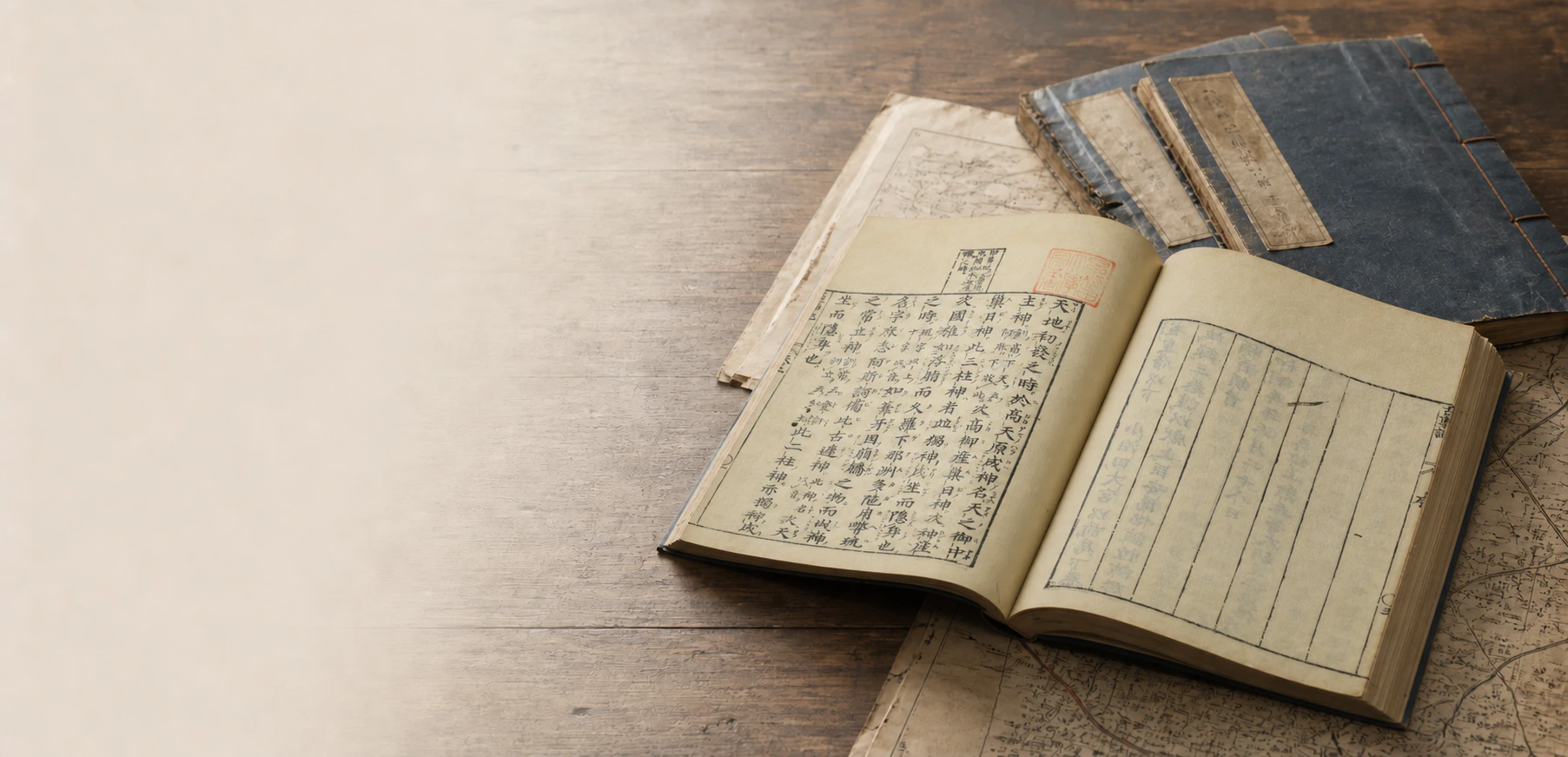
    The Kojiki in an open-book still life

    The Deposition of Junnin and Shōtoku's Restoration

    The defeat of Fujiwara no Nakamaro's armed rebellion in 764 removed Emperor Junnin's most powerful ministerial supporter. The retired Empress Kōken had directed the forces that defeated Nakamaro, and the conflict left Junnin's position exposed.

    In the tenth month of 764, Junnin was deposed and sent to Awaji Island under guard. Kōken returned to the throne, ruling under the name Shōtoku. The deposition reunited the reigning sovereign's office with the authority she had exercised while retired; Junnin's removal was a separate action after the fighting.

    The Shoku Nihongi records that Junnin tried to leave his confinement in the tenth month of 765. Guards stopped him and he returned to the residence, where he died the next day. The account establishes the sequence but not a secure cause of death. Shōtoku continued to rule, while the monk Dōkyō rose to senior positions under her patronage.

    Sources and notes ViewHide
    1. [1]

      續日本紀卷二十六:淡路公死亡與道鏡官號797年官修史書/Wikisource原文轉錄

    Reading context

    Reading preferences

    Text size
    Glossary intensity

    Choose how much explanation appears as you read.

    Saved on this device. All terms remain available in the glossary.

    Browse the glossary →
    History Omakase

    Opening reading…