Skip to content
Chronicle

Search History Omakase

Start typing to search.

    Read Gyōki Dies before the Great Buddha Is Completed

    Read the article below. Interactive reading tools are available when scripts load.

    Overview

    Gyōki Dies before the Great Buddha Is Completed

    Gyōki, the monk who had helped gather contributions and supporters for the Great Buddha project, died at Sugawara-dera in 749. His followers cremated him and buried his remains near Chikurin-ji on the eastern side of Mount Ikoma. He did not live to see the bronze body completed later that year or the eye-opening ceremony at Tōdai-ji in 752.

    A fragment of his gilt-copper epitaph survives. Its identification also depends on a later record: an account of the opening of Gyōki's grave in 1235 preserves a transcription of the inscription. The physical fragment and the medieval copy belong to different stages in the history of the burial. Together they preserve evidence about Gyōki's death and the community's later care for his memory.

    Sources and notes

    1. 奈良時代創建―聖武天皇の願い · 東大寺
    2. 墓誌断片(奈良県行基墓出土) · 奈良国立博物館/文化財資料庫

    About these sources

    Back

    749 | Gyōki Dies before the Great Buddha Is Completed行基の死

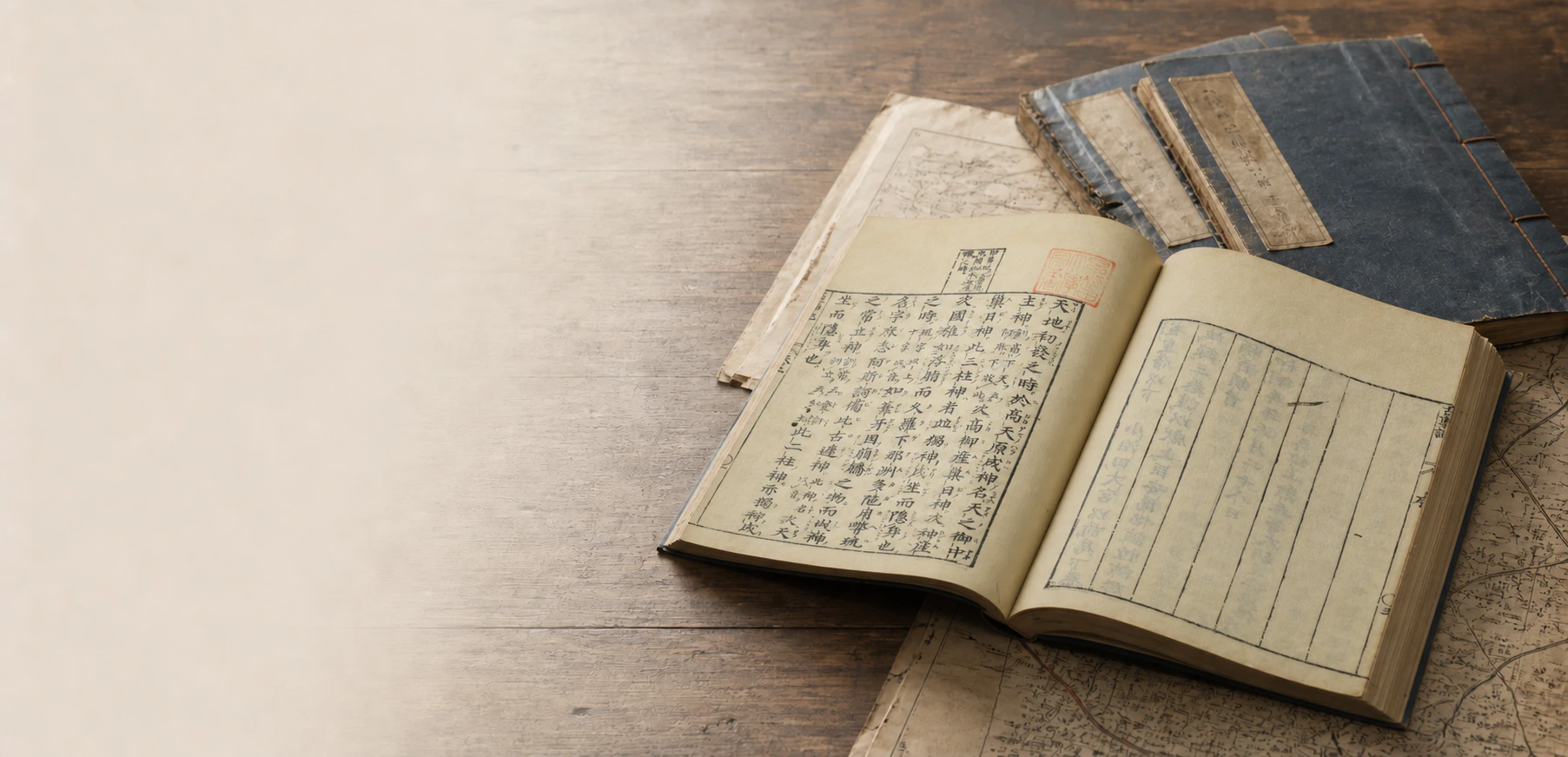
    The Kojiki in an open-book still life

    Gyōki Dies before the Great Buddha Is Completed

    Gyōki, the monk who had helped gather contributions and supporters for the Great Buddha project, died at Sugawara-dera in 749. His followers cremated him and buried his remains near Chikurin-ji on the eastern side of Mount Ikoma. He did not live to see the bronze body completed later that year or the eye-opening ceremony at Tōdai-ji in 752.

    A fragment of his gilt-copper epitaph survives. Its identification also depends on a later record: an account of the opening of Gyōki's grave in 1235 preserves a transcription of the inscription. The physical fragment and the medieval copy belong to different stages in the history of the burial. Together they preserve evidence about Gyōki's death and the community's later care for his memory.

    Sources and notes ViewHide
    1. [1]

      奈良時代創建―聖武天皇の願い東大寺

    2. [2]

      墓誌断片(奈良県行基墓出土)奈良国立博物館/文化財資料庫

    Reading context

    Reading preferences

    Text size
    Glossary intensity

    Choose how much explanation appears as you read.

    Saved on this device. All terms remain available in the glossary.

    Browse the glossary →
    History Omakase

    Opening reading…