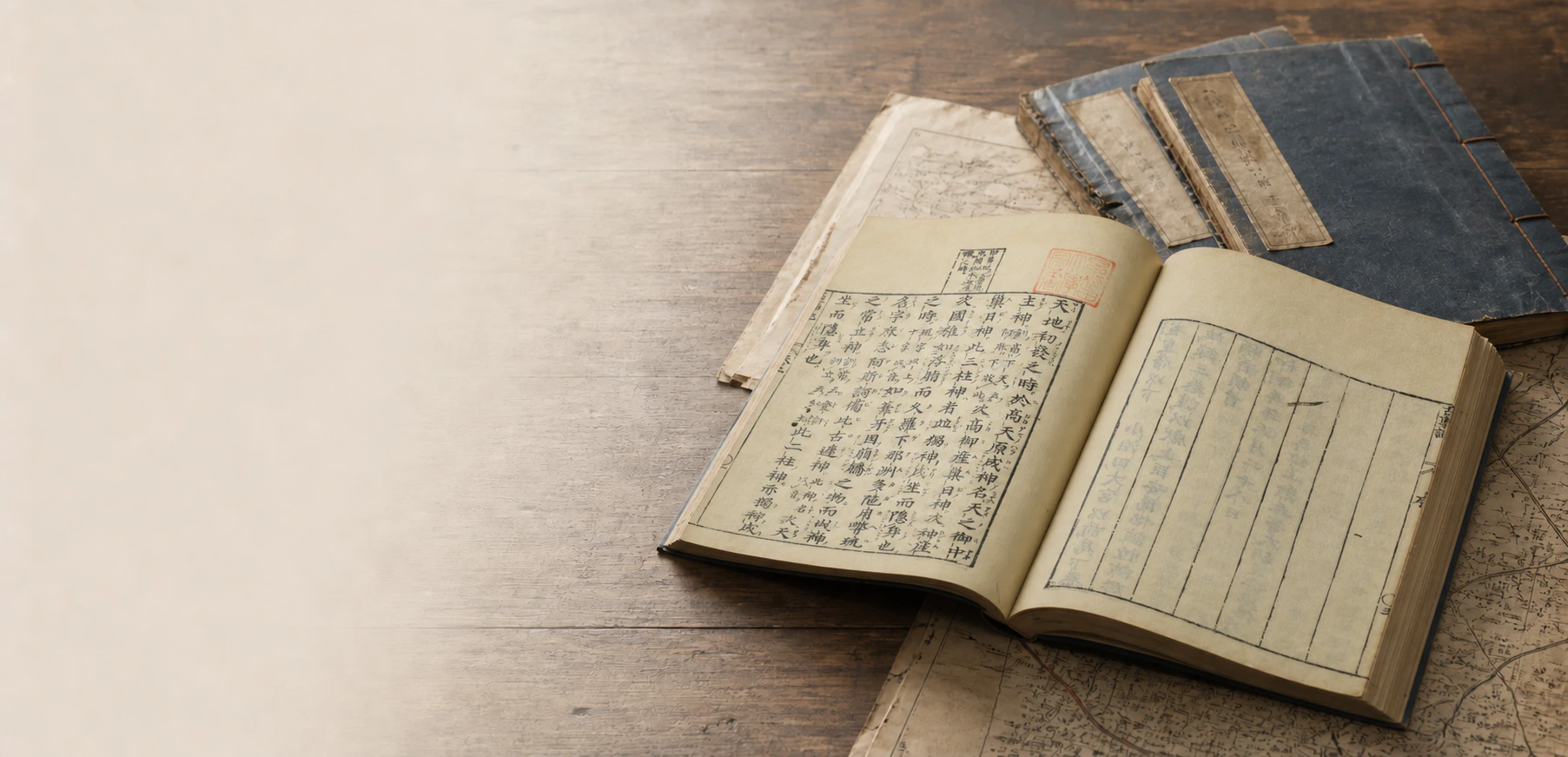
Successive Transfers of the Capital, 740–745
Between 740 and 745, Emperor Shōmu's court moved from Heijō-kyō at Nara to Kuni, then shifted its center to Naniwa and Shigaraki before returning to Nara. The moves followed the rebellion of Fujiwara no Hirotsugu and coincided with the provincial-temple program of 741 and the Great Buddha vow of 743. Religious building continued while the seat of government changed.
Kuni required a palace as well as accommodation for officials. The Shoku Nihongi records that Heijō's great audience hall and galleries were dismantled and rebuilt there, a costly undertaking that had only just been completed when construction at Shigaraki diverted resources. In 744, the court asked officials whether Kuni or Naniwa should be the capital and also sent ministers to seek opinions in the marketplace. The recorded answers were divided among officials, while most of the people questioned at the market preferred Kuni.
The court nevertheless moved government personnel and instruments to Naniwa: station bells, seals, the imperial throne, and weapons had to be transported. Shigaraki, already the site of the 743 Great Buddha project, became the court's seat in 745. The return to Heijō later that year ended this succession of capitals, and the Buddha project was restarted at Nara. Buildings, offices, and religious works had followed different timetables; the court's arrival did not mean an entire new city was finished.
Sources and notes ViewHide
- [1]
- [2]
續日本紀卷十五:恭仁與難波797年官修史書/Wikisource原文轉錄