
Skip to content
Chronicle

Search History Omakase

Start typing to search.

    Read Ōkuma, Itagaki and Yamagata at the End of the Meiji Reign

    Read the article below. Interactive reading tools are available when scripts load.

    Overview

    Ōkuma, Itagaki and Yamagata at the End of the Meiji Reign

    Three veterans of Meiji politics occupied different positions when the reign ended in 1912. Ōkuma Shigenobu, Itagaki Taisuke and Yamagata Aritomo were all still alive, but they no longer acted through the same offices or party arrangements that had brought them into government.

    Ōkuma had left his party leadership and become Waseda’s first sōchō in April 1907. The post represented the university publicly; Takada Sanae’s separate position as president handled its administration. Ōkuma solicited donations and lent his public reputation to its expansion. He also chaired the support association for Shirase Nobu’s Antarctic expedition, helping secure a vessel and raise money.

    Itagaki had retired from active politics in 1900. Kochi City’s biographical account describes his later involvement in social reform, but does not identify a government office held by him in 1912. His earlier role as party leader and home minister did not make him the leader of a Cabinet in 1912. His position differed from Yamagata’s continuing formal appointment.

    Yamagata had resumed the Privy Council presidency in November 1909 and still held it at the Meiji succession. Having earlier served as prime minister and chief of the General Staff, he retained a place within imperial advisory government. The three careers thus continued through university sponsorship, social activity and a state council respectively, rather than ending together with the reign.

    Sources and notes

    1. 大隈初代総長の役割 · WasedaUniversityHistoryArchives/KinoshitaKeita
    2. 大隈と南極探検支援 · NDL
    3. 板垣引退後の社会運動 · KochiCity
    4. 山縣履歴・軍令と枢密院 · NDLConstitutionalDocumentsOffice

    About these sources

    Back

    1912 | Ōkuma, Itagaki and Yamagata at the End of the Meiji Reign明治末年の大隈・板垣・山県

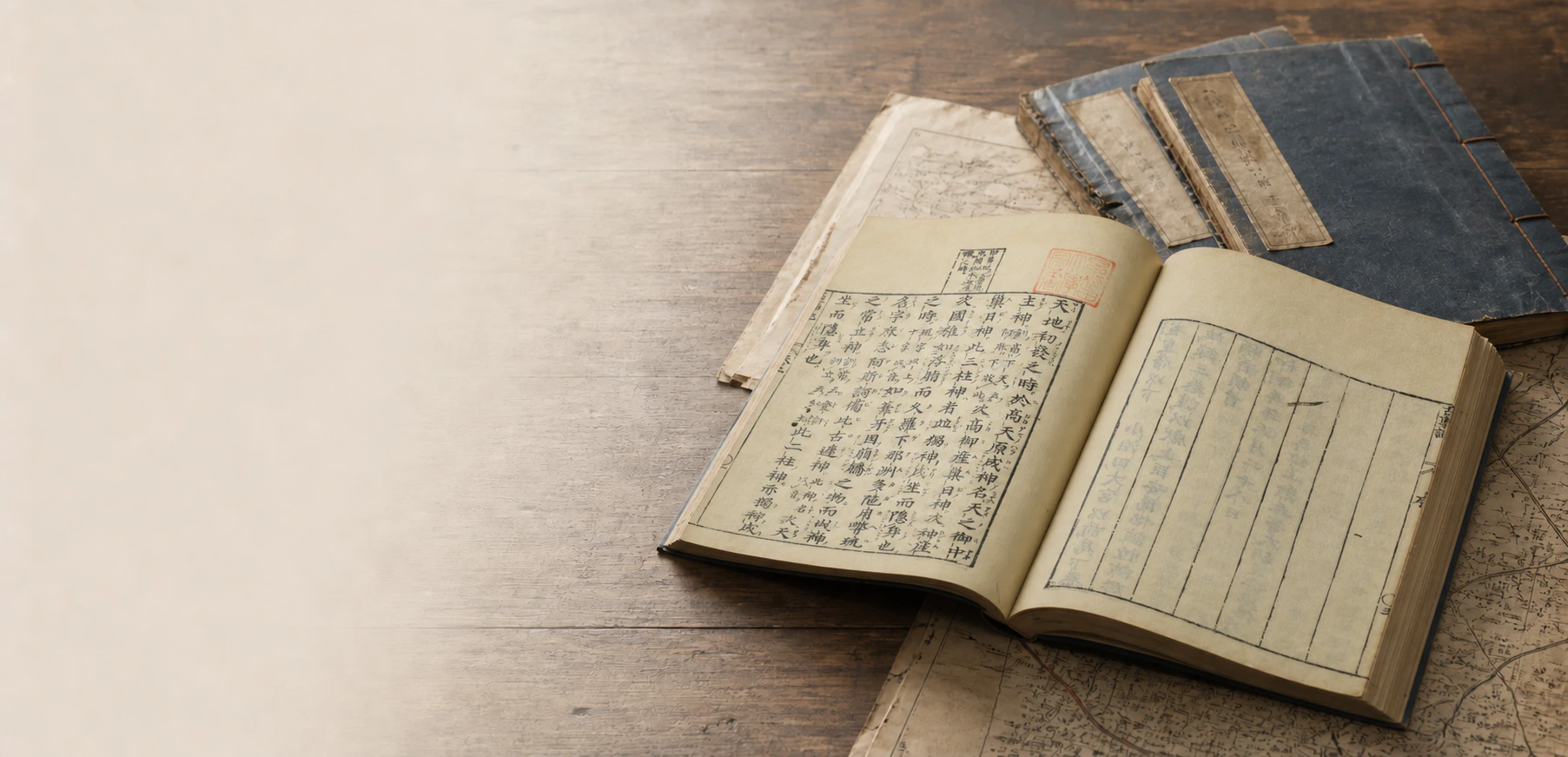
    The Kojiki in an open-book still life

    Ōkuma, Itagaki and Yamagata at the End of the Meiji Reign

    Three veterans of Meiji politics occupied different positions when the reign ended in 1912. Ōkuma Shigenobu, Itagaki Taisuke and Yamagata Aritomo were all still alive, but they no longer acted through the same offices or party arrangements that had brought them into government.

    Ōkuma had left his party leadership and become Waseda’s first sōchō in April 1907. The post represented the university publicly; Takada Sanae’s separate position as president handled its administration. Ōkuma solicited donations and lent his public reputation to its expansion. He also chaired the support association for Shirase Nobu’s Antarctic expedition, helping secure a vessel and raise money.

    Itagaki had retired from active politics in 1900. Kochi City’s biographical account describes his later involvement in social reform, but does not identify a government office held by him in 1912. His earlier role as party leader and home minister did not make him the leader of a Cabinet in 1912. His position differed from Yamagata’s continuing formal appointment.

    Yamagata had resumed the Privy Council presidency in November 1909 and still held it at the Meiji succession. Having earlier served as prime minister and chief of the General Staff, he retained a place within imperial advisory government. The three careers thus continued through university sponsorship, social activity and a state council respectively, rather than ending together with the reign.

    Sources and notes ViewHide
    1. [1]

      大隈初代総長の役割WasedaUniversityHistoryArchives/KinoshitaKeita

    2. [2]

      大隈と南極探検支援NDL

    3. [3]

      板垣引退後の社会運動KochiCity

    4. [4]

      山縣履歴・軍令と枢密院NDLConstitutionalDocumentsOffice
    Reading context

    Reading preferences

    Text size
    Glossary intensity

    Choose how much explanation appears as you read.

    Saved on this device. All terms remain available in the glossary.

    Browse the glossary →
    History Omakase

    Opening reading…