Skip to content
Chronicle

Search History Omakase

Start typing to search.

    Read A Bomb Attack Interrupts Ōkuma’s Treaty Revision

    Read the article below. Interactive reading tools are available when scripts load.

    Overview

    A Bomb Attack Interrupts Ōkuma’s Treaty Revision

    Ōkuma Shigenobu became foreign minister in February 1888 and pursued revision of treaties that allowed foreign consular courts and restricted Japan’s tariff powers. He negotiated separately with individual countries, obtaining agreements with the United States, Germany and Russia.

    His proposals included appointing foreign judges to Japan’s highest court. This attempt to secure foreign acceptance of Japanese jurisdiction provoked opposition inside the government and outside it. The dispute concerned the terms on which treaty privileges would end, rather than a unanimous rejection of treaty revision itself.

    On October 18, 1889, after a Cabinet meeting, Ōkuma was traveling to the foreign minister’s residence when Kurushima Tsuneki, a member of the nationalist Gen’yōsha association, threw a bomb. Ōkuma was seriously injured and his right leg was amputated. He survived the attack.

    Treaty revision stalled. Prime Minister Kuroda Kiyotaka resigned that October, and Ōkuma left the Foreign Ministry in December. The injury ended neither his political career nor his work for the school he had founded, but those later activities followed a failed negotiation and lasting disability. The attack was the act of a particular opponent, not evidence that all critics of the proposed treaties supported assassination.

    Sources and notes

    1. 大隈外相の条約改正と遭難 · National Archives
    2. 大隈遭難・保管史料 · Waseda Archives

    About these sources

    Back

    1889 | A Bomb Attack Interrupts Ōkuma’s Treaty Revision大隈重信の遭難

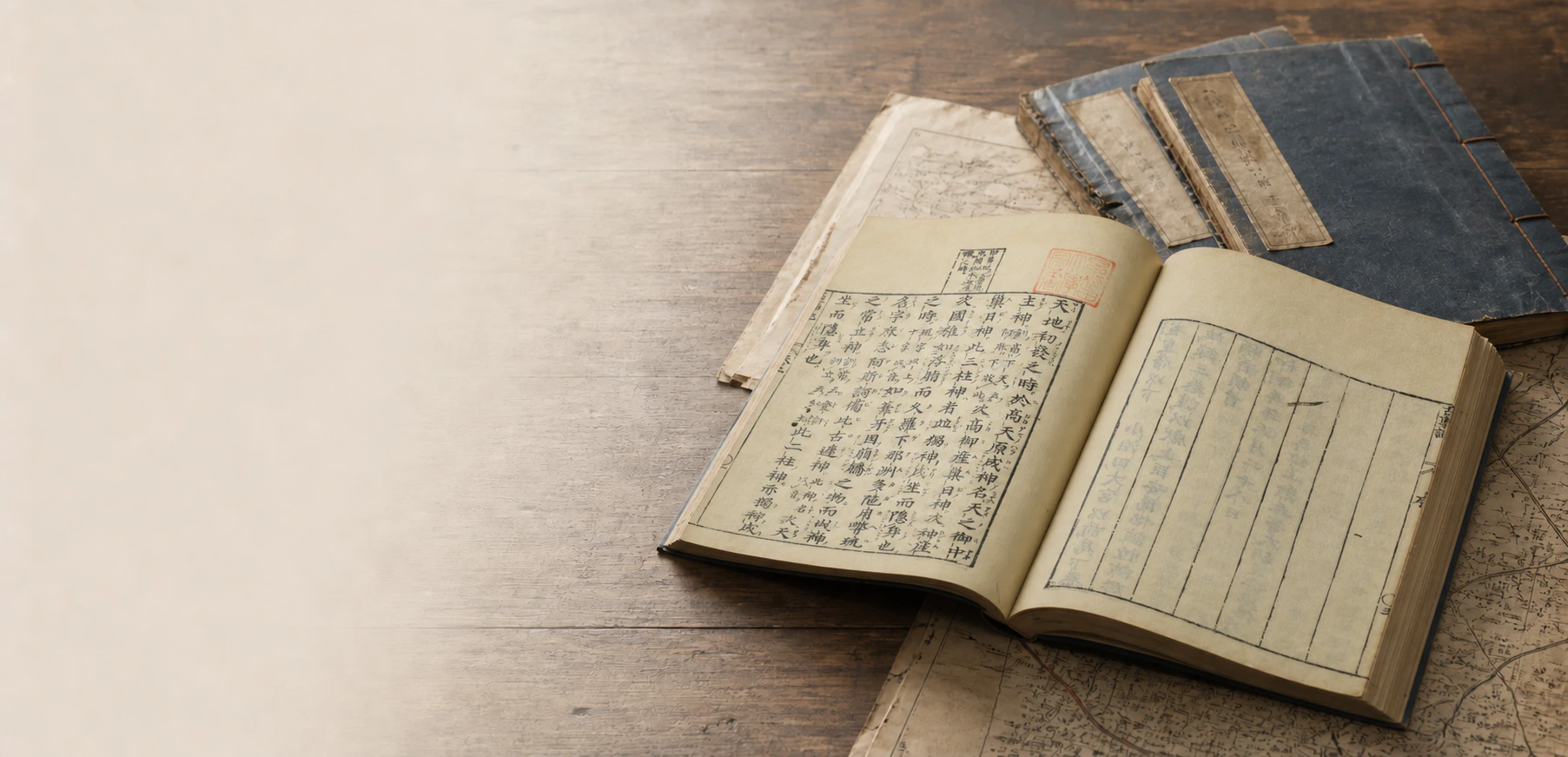
    The Kojiki in an open-book still life

    A Bomb Attack Interrupts Ōkuma’s Treaty Revision

    Ōkuma Shigenobu became foreign minister in February 1888 and pursued revision of treaties that allowed foreign consular courts and restricted Japan’s tariff powers. He negotiated separately with individual countries, obtaining agreements with the United States, Germany and Russia.

    His proposals included appointing foreign judges to Japan’s highest court. This attempt to secure foreign acceptance of Japanese jurisdiction provoked opposition inside the government and outside it. The dispute concerned the terms on which treaty privileges would end, rather than a unanimous rejection of treaty revision itself.

    On October 18, 1889, after a Cabinet meeting, Ōkuma was traveling to the foreign minister’s residence when Kurushima Tsuneki, a member of the nationalist Gen’yōsha association, threw a bomb. Ōkuma was seriously injured and his right leg was amputated. He survived the attack.

    Treaty revision stalled. Prime Minister Kuroda Kiyotaka resigned that October, and Ōkuma left the Foreign Ministry in December. The injury ended neither his political career nor his work for the school he had founded, but those later activities followed a failed negotiation and lasting disability. The attack was the act of a particular opponent, not evidence that all critics of the proposed treaties supported assassination.

    Sources and notes ViewHide
    1. [1]

      大隈外相の条約改正と遭難National Archives

    2. [2]

      大隈遭難・保管史料Waseda Archives

    Reading context

    Reading preferences

    Text size
    Glossary intensity

    Choose how much explanation appears as you read.

    Saved on this device. All terms remain available in the glossary.

    Browse the glossary →
    History Omakase

    Opening reading…