Skip to content
Chronicle

Search History Omakase

Start typing to search.

    Read Kazunomiya Marries Tokugawa Iemochi

    Read the article below. Interactive reading tools are available when scripts load.

    Overview

    Kazunomiya Marries Tokugawa Iemochi

    Kazunomiya, Emperor Kōmei’s younger sister, was already betrothed to Prince Arisugawa Taruhito when the shogunate sought her marriage to Iemochi. The proposal followed disputes over unauthorized commercial treaties and the killing of Ii Naosuke. Senior councilors Kuze Hirochika and Andō Nobumasa pursued closer relations with the court through the match.

    Kazunomiya initially refused. Kōmei eventually approved the marriage with a condition concerning treaty cancellation or expulsion of foreigners. She moved to Edo in 1861; the wedding took place on the eleventh day of the second month of the Japanese calendar in 1862.

    The marriage brought an imperial princess into the shogunal household. Letters and gifts exchanged by the couple survive, while Iemochi’s repeated journeys to Kyoto reduced their time together. He died in 1866. Their family connection lasted only a few years, and the treaties remained in force. The wedding strengthened a channel between the two institutions without settling the policy that had made their reconciliation urgent.

    Sources and notes

    1. 和宮の東下 · Nagano City History
    2. 皇女和宮の通行 · Nakatsugawa Nakasendō Historical Museum
    3. 和宮・背の君徳川家茂 · Edo-Tokyo Museum

    About these sources

    Back

    1861-1862 | Kazunomiya Marries Tokugawa Iemochi和宮と家茂の婚姻

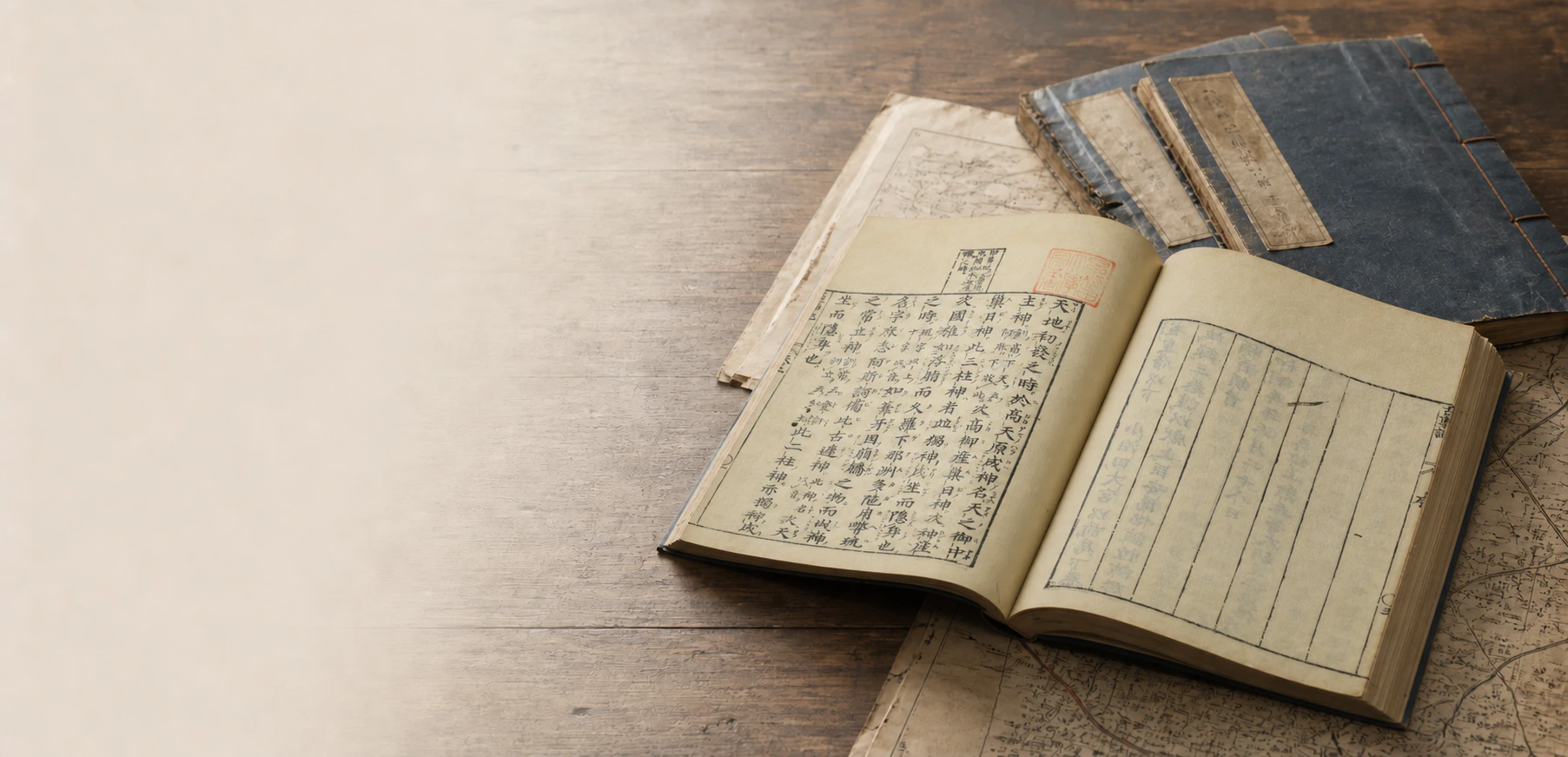
    The Kojiki in an open-book still life

    Kazunomiya Marries Tokugawa Iemochi

    Kazunomiya, Emperor Kōmei’s younger sister, was already betrothed to Prince Arisugawa Taruhito when the shogunate sought her marriage to Iemochi. The proposal followed disputes over unauthorized commercial treaties and the killing of Ii Naosuke. Senior councilors Kuze Hirochika and Andō Nobumasa pursued closer relations with the court through the match.

    Kazunomiya initially refused. Kōmei eventually approved the marriage with a condition concerning treaty cancellation or expulsion of foreigners. She moved to Edo in 1861; the wedding took place on the eleventh day of the second month of the Japanese calendar in 1862.

    The marriage brought an imperial princess into the shogunal household. Letters and gifts exchanged by the couple survive, while Iemochi’s repeated journeys to Kyoto reduced their time together. He died in 1866. Their family connection lasted only a few years, and the treaties remained in force. The wedding strengthened a channel between the two institutions without settling the policy that had made their reconciliation urgent.

    Sources and notes ViewHide
    1. [1]

      和宮の東下Nagano City History

    2. [2]

      皇女和宮の通行Nakatsugawa Nakasendō Historical Museum

    3. [3]

      和宮・背の君徳川家茂Edo-Tokyo Museum

    Reading context

    Reading preferences

    Text size
    Glossary intensity

    Choose how much explanation appears as you read.

    Saved on this device. All terms remain available in the glossary.

    Browse the glossary →
    History Omakase

    Opening reading…