
Skip to content
Chronicle

Search History Omakase

Start typing to search.

    Read Kamakura Establishes a Headquarters at Rokuhara

    Read the article below. Interactive reading tools are available when scripts load.

    Overview

    Kamakura Establishes a Headquarters at Rokuhara

    Kamakura’s victory in the Jōkyū War in 1221 left Hōjō Yasutoki and his uncle Tokifusa in Kyoto. They established their headquarters in Rokuhara, a quarter formerly associated with the Taira. Their continued presence gave the eastern government representatives close to the imperial court and to the western estates affected by the settlement.

    A surviving 1221 order issued in both commanders’ names prohibited violence by warriors. The immediate task included controlling the army that had entered the capital. Court contact, security, communication with provincial officials and the handling of estate problems then became continuing responsibilities.

    New stewards appointed after confiscations encountered proprietors with their own rights to revenue and administration. Those conflicts reached the headquarters through petitions and instructions. In 1232, the Konoe household complained of illegal actions by the steward of Usaka estate in Echizen. Kamakura ordered Rokuhara to investigate. Such cases show a chain linking a western complainant, the eastern government and officials in Kyoto.

    The offices later known as the Rokuhara tandai developed from this postwar presence. Their reach and organization changed over time. They neither abolished the imperial court nor settled every local claim on arrival. The documented prohibition and estate complaint give substance to their work: managing armed followers and making Kamakura’s decisions effective in a region where other authorities continued to assert rights.

    Sources and notes

    1. 福井県史年表1201–1250 · Fukui Prefectural Archives
    2. 主な中世資料:六波羅下知状・御成敗式目 · Kanagawa Prefectural Archives

    About these sources

    Back

    1221 | Kamakura Establishes a Headquarters at Rokuhara六波羅探題の設置

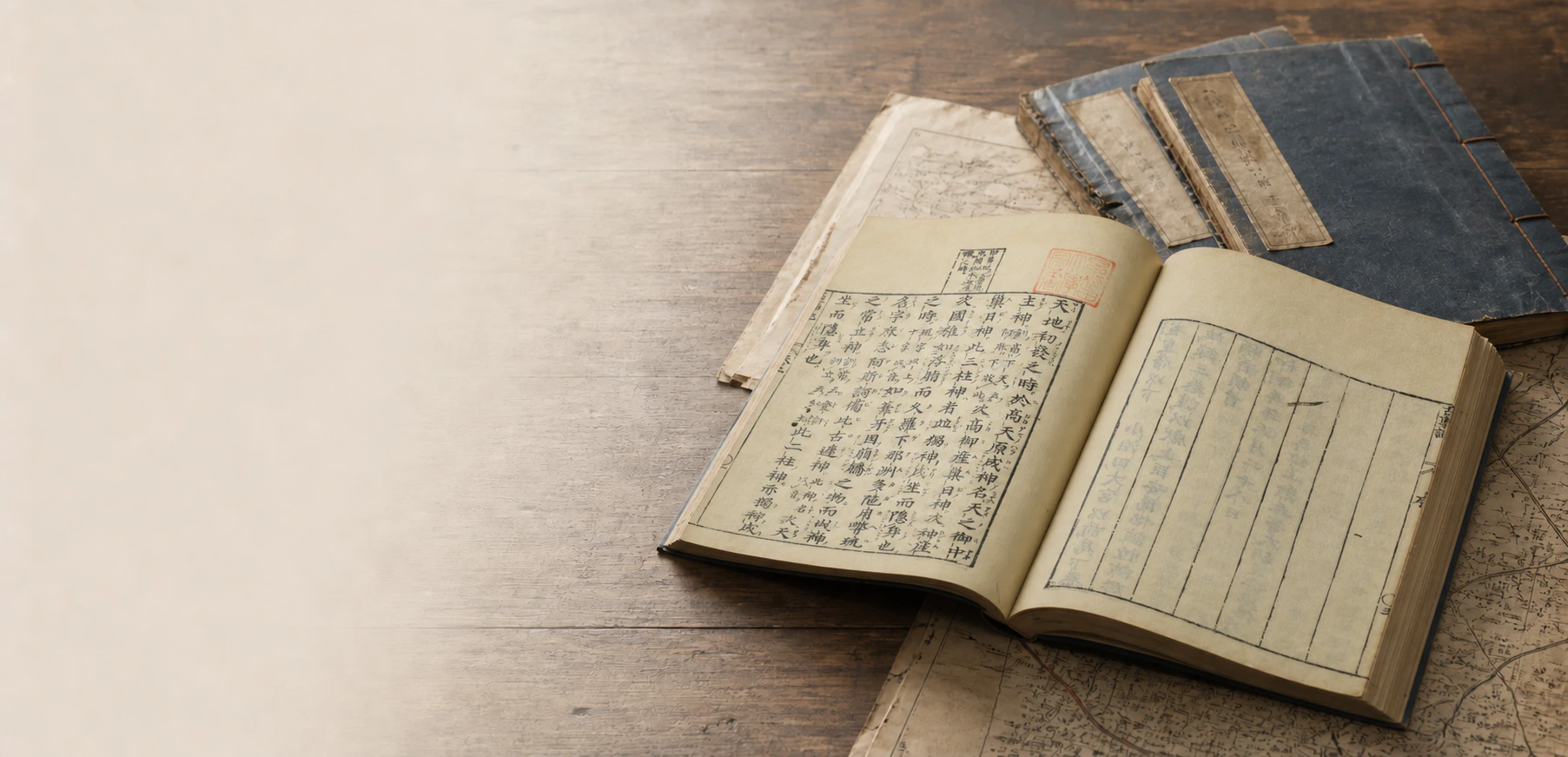
    The Kojiki in an open-book still life

    Kamakura Establishes a Headquarters at Rokuhara

    Kamakura’s victory in the Jōkyū War in 1221 left Hōjō Yasutoki and his uncle Tokifusa in Kyoto. They established their headquarters in Rokuhara, a quarter formerly associated with the Taira. Their continued presence gave the eastern government representatives close to the imperial court and to the western estates affected by the settlement.

    A surviving 1221 order issued in both commanders’ names prohibited violence by warriors. The immediate task included controlling the army that had entered the capital. Court contact, security, communication with provincial officials and the handling of estate problems then became continuing responsibilities.

    New stewards appointed after confiscations encountered proprietors with their own rights to revenue and administration. Those conflicts reached the headquarters through petitions and instructions. In 1232, the Konoe household complained of illegal actions by the steward of Usaka estate in Echizen. Kamakura ordered Rokuhara to investigate. Such cases show a chain linking a western complainant, the eastern government and officials in Kyoto.

    The offices later known as the Rokuhara tandai developed from this postwar presence. Their reach and organization changed over time. They neither abolished the imperial court nor settled every local claim on arrival. The documented prohibition and estate complaint give substance to their work: managing armed followers and making Kamakura’s decisions effective in a region where other authorities continued to assert rights.

    Sources and notes ViewHide
    1. [1]

      福井県史年表1201–1250Fukui Prefectural Archives

    2. [2]

      主な中世資料:六波羅下知状・御成敗式目Kanagawa Prefectural Archives

    Reading context

    Reading preferences

    Text size
    Glossary intensity

    Choose how much explanation appears as you read.

    Saved on this device. All terms remain available in the glossary.

    Browse the glossary →
    History Omakase

    Opening reading…