Skip to content
Chronicle

Search History Omakase

Start typing to search.

    Read Kiyomori’s Coup against Go-Shirakawa

    Read the article below. Interactive reading tools are available when scripts load.

    Overview

    Kiyomori’s Coup against Go-Shirakawa

    Relations between Taira no Kiyomori and retired emperor Go-Shirakawa deteriorated during the 1170s. The Shishigatani affair of 1177 had already led to the punishment of courtiers accused of plotting against Kiyomori. In 1179, the deaths of Kiyomori’s daughter Moriko and son Shigemori were followed by disputes over holdings connected with their households. Control of inherited property added to the struggle over court influence.

    In the eleventh month of 1179, Kiyomori brought an armed force into Kyoto. Go-Shirakawa was confined at the Toba residence, and numerous courtiers were removed from office. The regent, Fujiwara no Motofusa, lost his position; Fujiwara no Motomichi replaced him. The reshuffle gave Kiyomori’s allies greater control over appointments, while confinement curtailed Go-Shirakawa’s ability to conduct retired government.

    Emperor Takakura remained on the throne. The coup worked through the existing imperial and ministerial structure, using troops to remove opponents and force changes within it. Takakura’s young son, Kiyomori’s grandson, became Emperor Antoku in 1180. That succession strengthened the Taira household’s relationship to the throne, but the coup’s immediate achievement was the restriction of Go-Shirakawa and the replacement of senior personnel.

    Sources and notes

    1. 源平の時代年表 · Kobe City

    About these sources

    Back

    1179 | Kiyomori’s Coup against Go-Shirakawa治承三年の政変

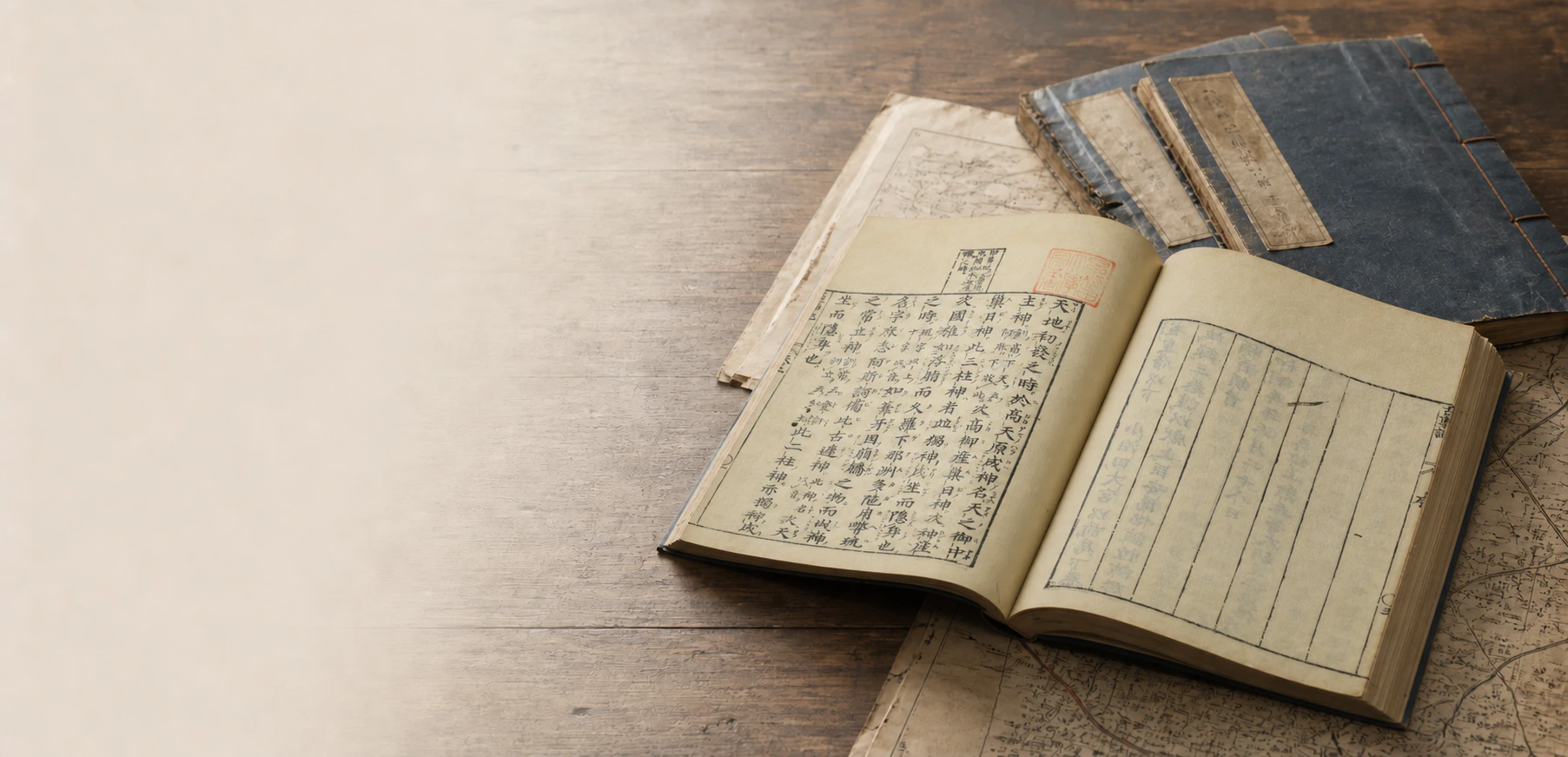
    The Kojiki in an open-book still life

    Kiyomori’s Coup against Go-Shirakawa

    Relations between Taira no Kiyomori and retired emperor Go-Shirakawa deteriorated during the 1170s. The Shishigatani affair of 1177 had already led to the punishment of courtiers accused of plotting against Kiyomori. In 1179, the deaths of Kiyomori’s daughter Moriko and son Shigemori were followed by disputes over holdings connected with their households. Control of inherited property added to the struggle over court influence.

    In the eleventh month of 1179, Kiyomori brought an armed force into Kyoto. Go-Shirakawa was confined at the Toba residence, and numerous courtiers were removed from office. The regent, Fujiwara no Motofusa, lost his position; Fujiwara no Motomichi replaced him. The reshuffle gave Kiyomori’s allies greater control over appointments, while confinement curtailed Go-Shirakawa’s ability to conduct retired government.

    Emperor Takakura remained on the throne. The coup worked through the existing imperial and ministerial structure, using troops to remove opponents and force changes within it. Takakura’s young son, Kiyomori’s grandson, became Emperor Antoku in 1180. That succession strengthened the Taira household’s relationship to the throne, but the coup’s immediate achievement was the restriction of Go-Shirakawa and the replacement of senior personnel.

    Sources and notes ViewHide
    1. [1]

      源平の時代年表Kobe City

    Reading context

    Reading preferences

    Text size
    Glossary intensity

    Choose how much explanation appears as you read.

    Saved on this device. All terms remain available in the glossary.

    Browse the glossary →
    History Omakase

    Opening reading…