
Skip to content
Chronicle

Search History Omakase

Start typing to search.

    Read Kiyohira Builds the Chūsonji Temple Complex

    Read the article below. Interactive reading tools are available when scripts load.

    Overview

    Kiyohira Builds the Chūsonji Temple Complex

    Fujiwara no Kiyohira, the first Ōshū Fujiwara lord, began a major building program at Chūsonji in 1105. The temple’s tradition credits an earlier foundation in 850 to Ennin, a Tendai monk. Kiyohira’s project enlarged a remembered sacred site; it was not the first activity on an unoccupied mountain.

    Construction and religious work developed in stages. The Hiraizumi chronology places the scripture repository in 1122 and the Golden Hall’s roof-raising in 1124, the latter anchored by a dated inscription on its timber. The gilded hall housed Amida and other images, presenting a Pure Land setting through architecture and several crafts.

    In 1126, after the range covered by this event’s principal construction years, a major dedication ceremony marked the wider complex. The dedication prayer sought relief for people killed on both sides of the regional wars. This was a stated religious intention, not proof that conflict had ended everywhere. Fires later consumed much of the complex, while the Golden Hall survived with its images and the remains of the Fujiwara rulers, preserving evidence of the program within a substantially altered temple site.

    Sources and notes

    1. Hiraizumi chronology with specified documentary anchors · Hiraizumi Town
    2. Chūsonji institutional history · Chūsonji

    About these sources

    Back

    1105-1124 | Kiyohira Builds the Chūsonji Temple Complex藤原清衡による中尊寺造営

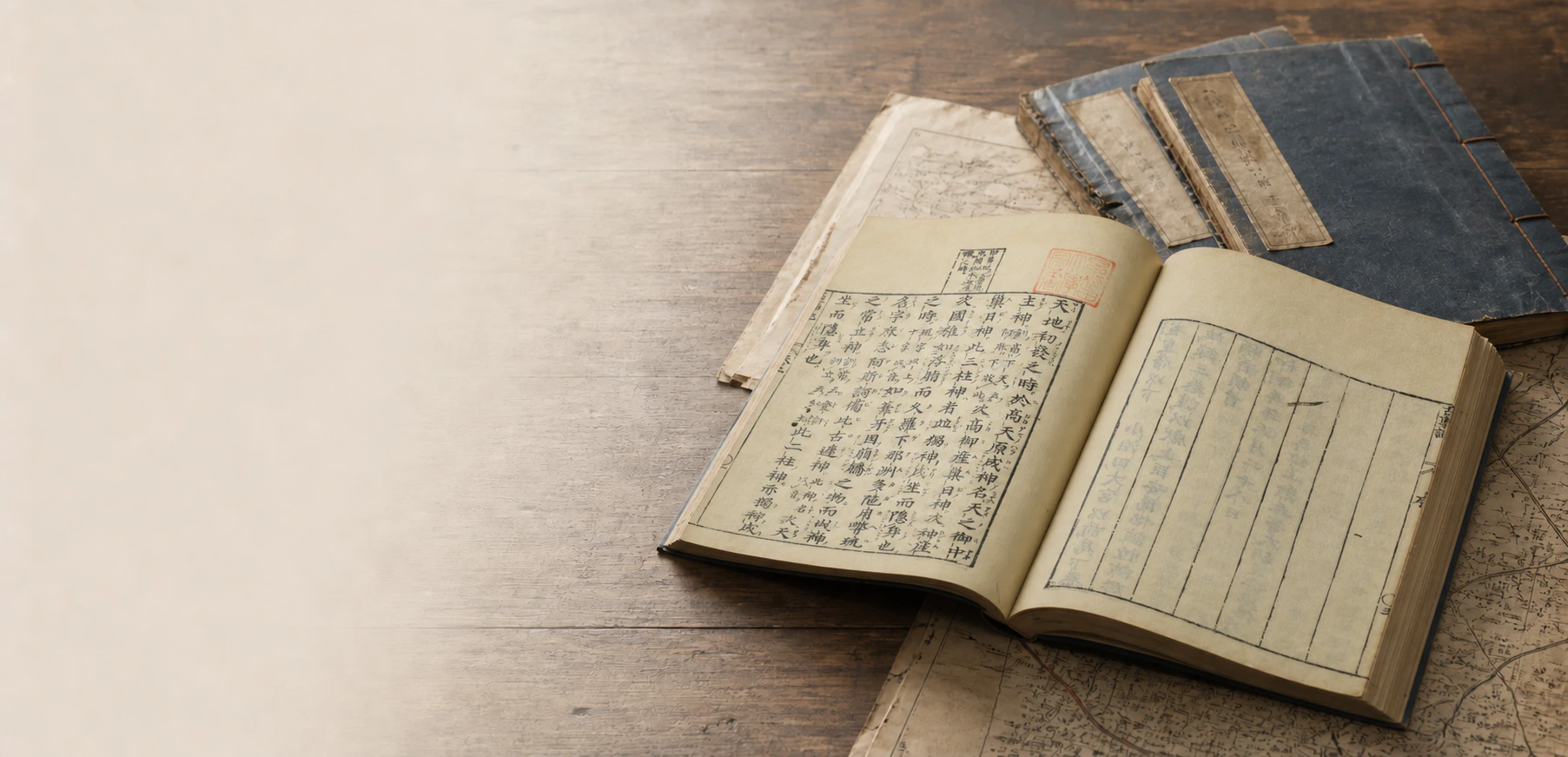
    The Kojiki in an open-book still life

    Kiyohira Builds the Chūsonji Temple Complex

    Fujiwara no Kiyohira, the first Ōshū Fujiwara lord, began a major building program at Chūsonji in 1105. The temple’s tradition credits an earlier foundation in 850 to Ennin, a Tendai monk. Kiyohira’s project enlarged a remembered sacred site; it was not the first activity on an unoccupied mountain.

    Construction and religious work developed in stages. The Hiraizumi chronology places the scripture repository in 1122 and the Golden Hall’s roof-raising in 1124, the latter anchored by a dated inscription on its timber. The gilded hall housed Amida and other images, presenting a Pure Land setting through architecture and several crafts.

    In 1126, after the range covered by this event’s principal construction years, a major dedication ceremony marked the wider complex. The dedication prayer sought relief for people killed on both sides of the regional wars. This was a stated religious intention, not proof that conflict had ended everywhere. Fires later consumed much of the complex, while the Golden Hall survived with its images and the remains of the Fujiwara rulers, preserving evidence of the program within a substantially altered temple site.

    Sources and notes ViewHide
    1. [1]

      Hiraizumi chronology with specified documentary anchorsHiraizumi Town

    2. [2]

      Chūsonji institutional historyChūsonji

    Reading context

    Reading preferences

    Text size
    Glossary intensity

    Choose how much explanation appears as you read.

    Saved on this device. All terms remain available in the glossary.

    Browse the glossary →
    History Omakase

    Opening reading…