The Great Fire of Meireki and Edo’s Reconstruction
In the first lunar month of 1657, three large fires spread across Edo after a long dry spell and under strong winds. Wooden districts, warrior residences, temples and Edo Castle’s keep burned. Firefighters had limited equipment and relied heavily on demolishing buildings. Many residents died; surviving accounts and later estimates do not establish one exact total.
The shogunate fed displaced people, released damaged grain and provided money to warriors and townspeople. It moved some residences and religious institutions outward, widened roads and created open firebreaks. A permanent firefighting organization followed. The castle’s stone keep platform was rebuilt, but the keep itself was left unbuilt. Rehousing and prevention changed where people lived while recovery was still under way.
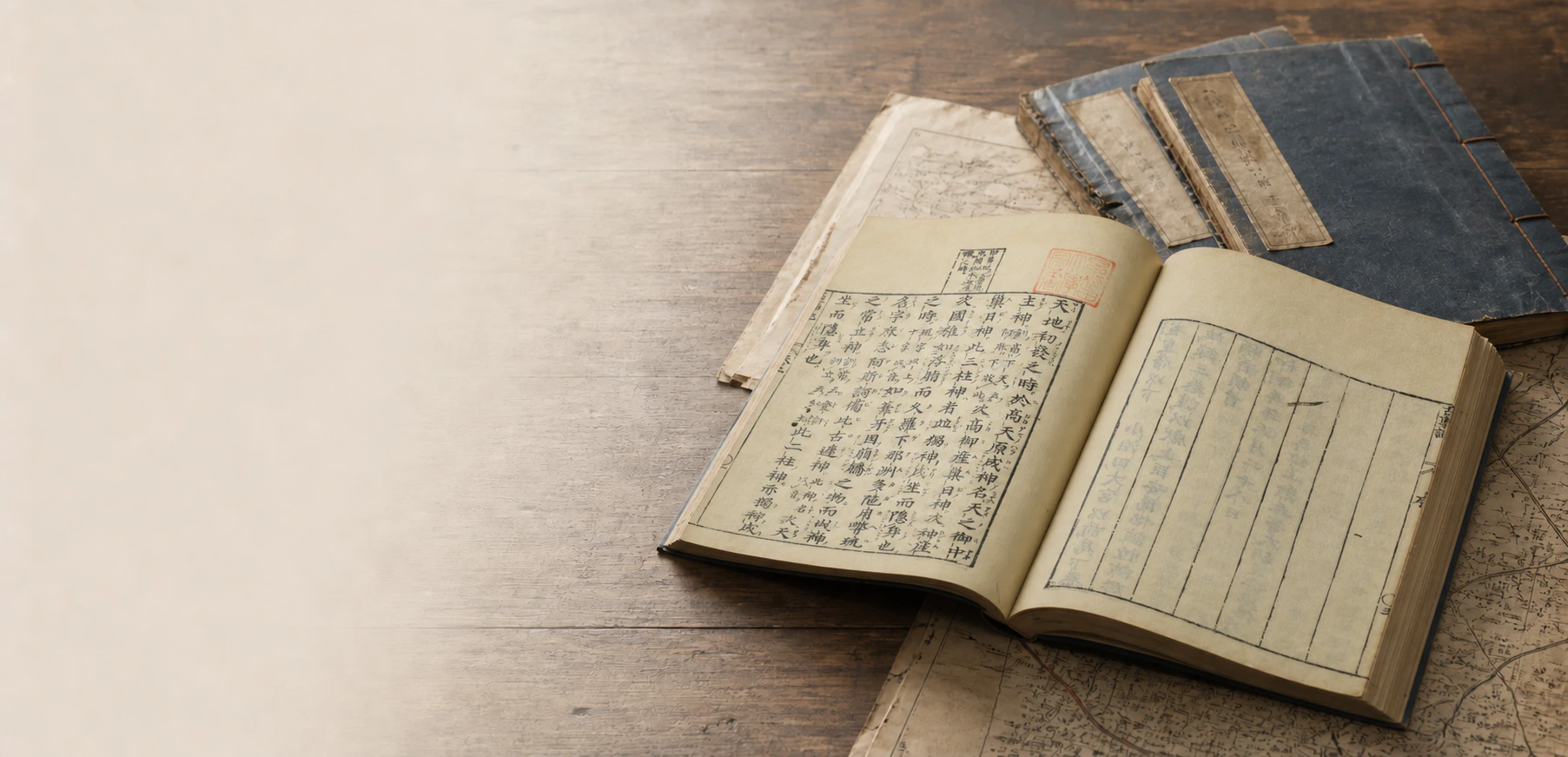
Asai Ryōi’s illustrated Musashi abumi, published in 1661, tells of people fleeing the flames and of memorial rites at Ekōin. It also recounts prison officer Ishide Tatewaki releasing prisoners to escape the fire. Its narrative form preserves experiences beyond the destruction of official buildings. Reconstruction improved particular safeguards, but fires remained a recurring danger in the expanding city.
Sources and notes ViewHide
- [1]
1657明暦江戸大火・報告書概要Cabinet Office disaster history committee
- [2]
むさしあぶみNational Archives of Japan
- [3]
江戸城天守台Imperial Household Agency