
Skip to content
Chronicle

Search History Omakase

Start typing to search.

    Read Masamune’s Embassy Travels to Mexico, Spain and Rome

    Read the article below. Interactive reading tools are available when scripts load.

    Overview

    Masamune’s Embassy Travels to Mexico, Spain and Rome

    The embassy sailed from Tsukinoura in 1613 aboard the San Juan Bautista, a Western-style ship built for Sendai. Masamune entrusted Hasekura and the Franciscan Sotelo with requests for direct trade with Spanish Mexico and the dispatch of missionaries. About 180 people embarked, including many merchants.

    After reaching Acapulco, most passengers remained in Mexico. A smaller delegation of about thirty continued across the Atlantic in 1614. Hasekura met Philip III in Spain and Pope Paul V in Rome, delivering Masamune’s letters. His baptism in Spain and reception in Rome became prominent parts of the mission’s surviving record.

    The requests faced a worsening political setting. Japan’s restrictions on Christianity intensified while the envoys were overseas, and Spanish authorities became less willing to support the proposed arrangements. Hasekura returned in 1620 without the intended trade and missionary agreement. Portraits, letters and other objects preserved in Sendai document the journey, but the ceremonial receptions did not amount to successful completion of its negotiations.

    Sources and notes

    1. 慶長遣欧使節の旅 · Sendai City Museum
    2. 慶長遣欧使節とは · Miyagi Prefectural Keichō Mission Ship Museum

    About these sources

    Back

    1613-1620 | Masamune’s Embassy Travels to Mexico, Spain and Rome慶長遣欧使節

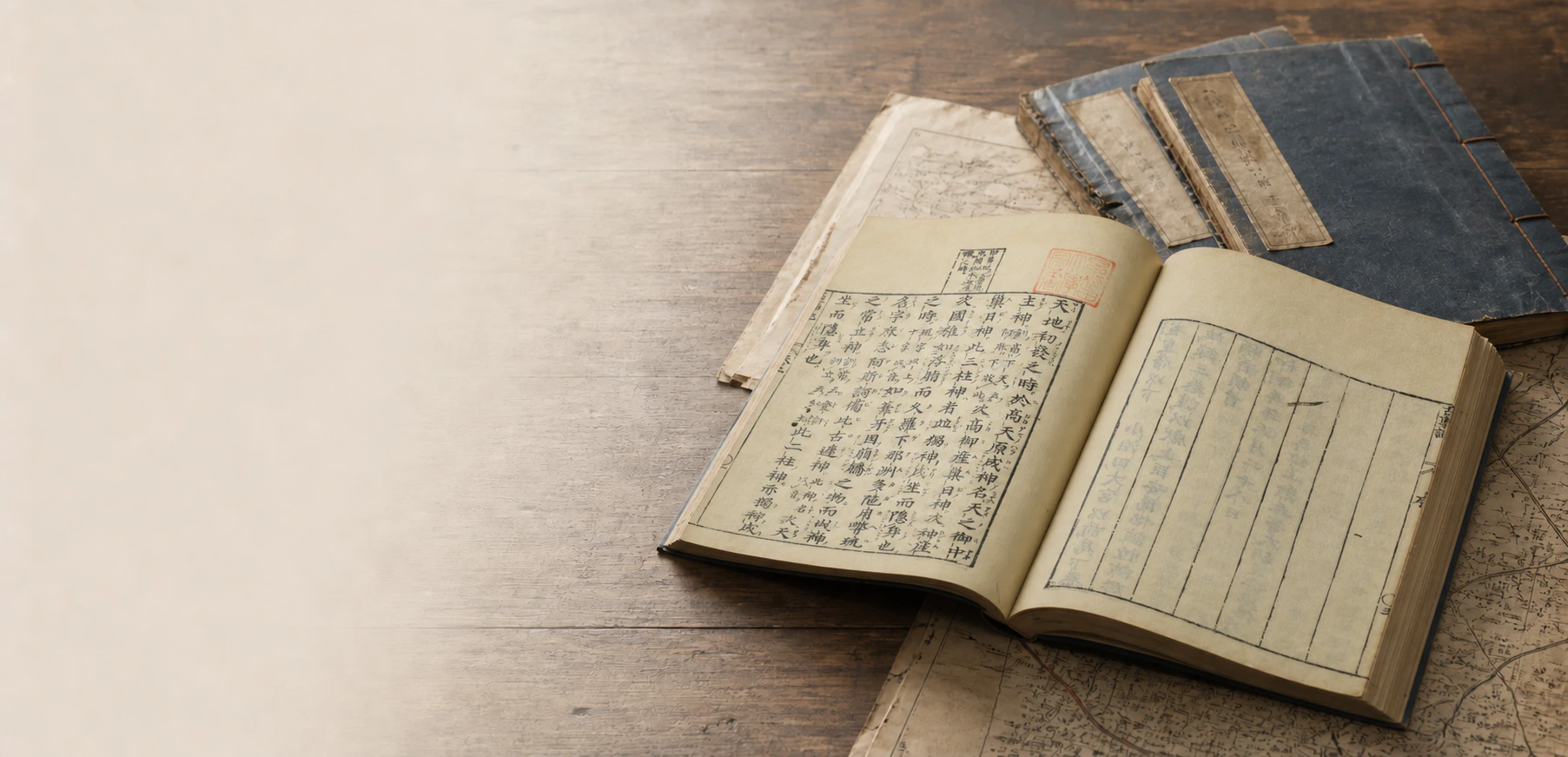
    The Kojiki in an open-book still life

    Masamune’s Embassy Travels to Mexico, Spain and Rome

    The embassy sailed from Tsukinoura in 1613 aboard the San Juan Bautista, a Western-style ship built for Sendai. Masamune entrusted Hasekura and the Franciscan Sotelo with requests for direct trade with Spanish Mexico and the dispatch of missionaries. About 180 people embarked, including many merchants.

    After reaching Acapulco, most passengers remained in Mexico. A smaller delegation of about thirty continued across the Atlantic in 1614. Hasekura met Philip III in Spain and Pope Paul V in Rome, delivering Masamune’s letters. His baptism in Spain and reception in Rome became prominent parts of the mission’s surviving record.

    The requests faced a worsening political setting. Japan’s restrictions on Christianity intensified while the envoys were overseas, and Spanish authorities became less willing to support the proposed arrangements. Hasekura returned in 1620 without the intended trade and missionary agreement. Portraits, letters and other objects preserved in Sendai document the journey, but the ceremonial receptions did not amount to successful completion of its negotiations.

    Sources and notes ViewHide
    1. [1]

      慶長遣欧使節の旅Sendai City Museum

    2. [2]

      慶長遣欧使節とはMiyagi Prefectural Keichō Mission Ship Museum

    Reading context

    Reading preferences

    Text size
    Glossary intensity

    Choose how much explanation appears as you read.

    Saved on this device. All terms remain available in the glossary.

    Browse the glossary →
    History Omakase

    Opening reading…