
Skip to content
Chronicle

Search History Omakase

Start typing to search.

    Read The First Chōshū Expedition Ends in Punishment and Withdrawal

    Read the article below. Interactive reading tools are available when scripts load.

    Overview

    The First Chōshū Expedition Ends in Punishment and Withdrawal

    After Chōshū troops fought at Kyoto’s palace gates, the court authorized punishment and the shogunate mobilized an expedition. Tokugawa Yoshikatsu, former lord of Owari, accepted overall command after seeking authority to determine its conduct. Forces from participating domains assembled, including at Hiroshima.

    Yoshikatsu pursued agreement among the lords through military councils in Osaka and Hiroshima. Saigō Takamori helped negotiate Chōshū’s submission. The domain ordered Kunishi Shinano, Masuda Uemon-no-suke and Fukuhara Echigo to commit seppuku as responsibility was assigned for the Kyoto fighting. Fortifications at Yamaguchi were dismantled as part of the settlement.

    The expedition ended without a general invasion. Its punishment was severe for the named retainers, while the Mōri domain survived. Yoshikatsu’s negotiated approach encountered criticism from advocates of stronger measures. Inside Chōshū, submission remained contested: Takasugi Shinsaku’s rising and subsequent internal fighting changed the domain government’s course. The withdrawal therefore closed the first expedition, leaving both the punishment’s sufficiency and Chōshū’s future policy in dispute.
    Sources and notes

    1. 福原越後・人物紹介 · Yamaguchi Prefectural Library
    2. 四境戦争・資料展示 · Yamaguchi Prefectural Library
    3. 徳川慶勝の征長構想 · Tokugawa Institute for the History of Forestry / Tokugawa Reimeikai
    4. 山口城の破却と修復 · Yamaguchi Prefecture Cultural Properties

    About these sources

    Back

    1864 | The First Chōshū Expedition Ends in Punishment and Withdrawal第一次長州征討

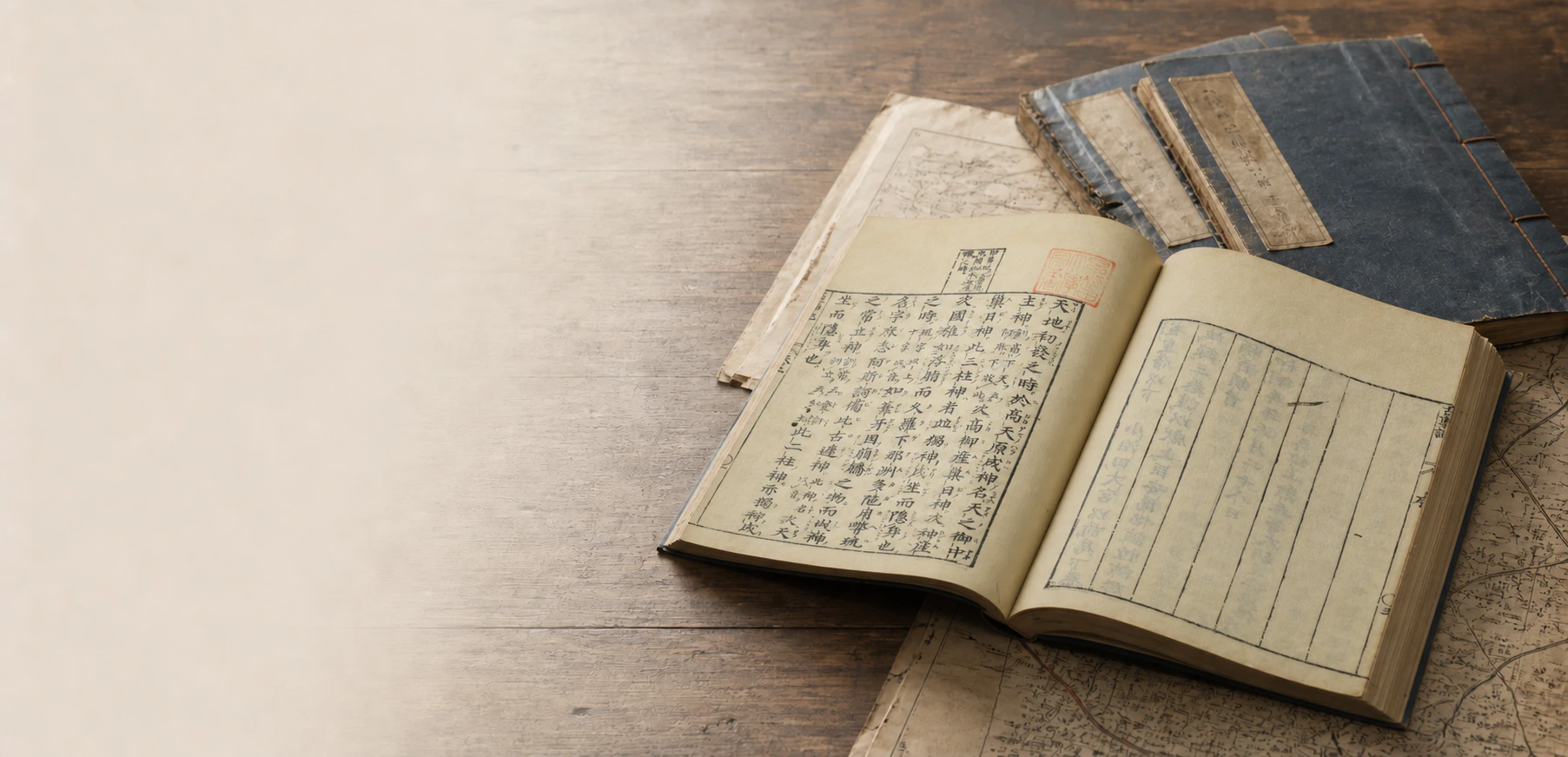
    The Kojiki in an open-book still life

    The First Chōshū Expedition Ends in Punishment and Withdrawal

    After Chōshū troops fought at Kyoto’s palace gates, the court authorized punishment and the shogunate mobilized an expedition. Tokugawa Yoshikatsu, former lord of Owari, accepted overall command after seeking authority to determine its conduct. Forces from participating domains assembled, including at Hiroshima.

    Yoshikatsu pursued agreement among the lords through military councils in Osaka and Hiroshima. Saigō Takamori helped negotiate Chōshū’s submission. The domain ordered Kunishi Shinano, Masuda Uemon-no-suke and Fukuhara Echigo to commit seppuku as responsibility was assigned for the Kyoto fighting. Fortifications at Yamaguchi were dismantled as part of the settlement.

    The expedition ended without a general invasion. Its punishment was severe for the named retainers, while the Mōri domain survived. Yoshikatsu’s negotiated approach encountered criticism from advocates of stronger measures. Inside Chōshū, submission remained contested: Takasugi Shinsaku’s rising and subsequent internal fighting changed the domain government’s course. The withdrawal therefore closed the first expedition, leaving both the punishment’s sufficiency and Chōshū’s future policy in dispute.

    Sources and notes ViewHide
    1. [1]

      福原越後・人物紹介Yamaguchi Prefectural Library

    2. [2]

      四境戦争・資料展示Yamaguchi Prefectural Library

    3. [3]

      徳川慶勝の征長構想Tokugawa Institute for the History of Forestry / Tokugawa Reimeikai

    4. [4]

      山口城の破却と修復Yamaguchi Prefecture Cultural Properties

    Reading context

    Reading preferences

    Text size
    Glossary intensity

    Choose how much explanation appears as you read.

    Saved on this device. All terms remain available in the glossary.

    Browse the glossary →
    History Omakase

    Opening reading…