

Muromachi period
Emperor Kōgon
光厳天皇
Overview
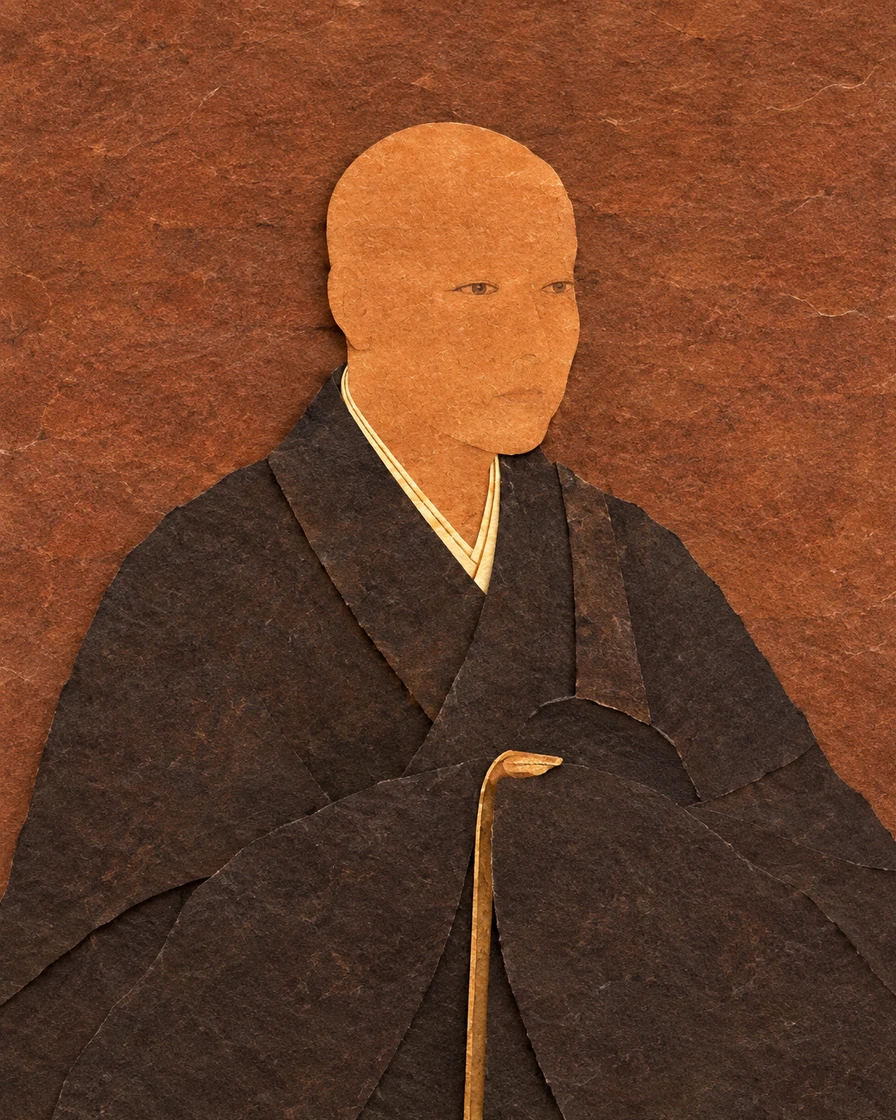
Emperor Kōgon (1313–1364), a son of Go-Fushimi, belonged to the imperial line known as Jimyōin. Educated under Emperor Hanazono, he became crown prince in 1326. The Kamakura government installed him as emperor after Go-Daigo’s defeat in 1331. When the military regime fell in 1333, Go-Daigo returned and deposed him. His first reign was caught within the struggle over succession and the government’s authority to influence it. [S01]
Kōgon resumed political work in 1336, when Ashikaga Takauji supported his younger brother Kōmyō’s accession in Kyoto. At Takauji’s request he conducted retired imperial government, or insei, directing court affairs from outside the reigning emperor’s office. The Southern Court maintained Go-Daigo’s rival claim from Yoshino. Kōgon’s direction of court affairs supplied the Ashikaga with an active imperial partner in Kyoto. [S01]
The Ashikaga civil conflict exposed that court’s vulnerability. In 1352 Southern forces detained Kōgon and other imperial family members. He took Buddhist vows during captivity and returned to Kyoto in 1357. He then devoted himself to Zen practice, eventually withdrawing to Yamaguni in the mountains northwest of Kyoto, where he died in 1364. Deposition had not ended his public authority; captivity and religious withdrawal ultimately brought his political career to a close. [S01]
Sources and notes ViewHide
- [1]
光厳天皇 — 日本大百科全書 / 世界大百科事典 / 日本史小辞典村田正志 (Murata Masashi); 飯倉晴武 (Iikura Harutake); 山川出版社 (Yamakawa)
Emperor Kōgon (1313–1364), a son of Go-Fushimi, belonged to the imperial line
Educated under Emperor Hanazono, he became crown prince in 1326
The Kamakura government installed him as emperor after Go-Daigo’s defeat in 1331
When the military regime fell in 1333, Go-Daigo returned and deposed him
Connections
Places
No linked places yet.
Events
Go-Daigo Establishes a Rival Court at Yoshino
吉野の南朝成立
In 1336, Go-Daigo left Ashikaga-controlled Kyoto for Yoshino and upheld his imperial claim against Kōmyō’s court, beginning the sustained division between the Southern and Northern Courts.
Takauji’s Appointment as Shogun
足利尊氏の将軍任官
In 1338, the Northern Court appointed Ashikaga Takauji seii taishōgun, formally recognizing the leader of a Kyoto-based warrior government that had already begun to operate.
Relationships
Topics
Tenryū-ji: Building for a Former Enemy
A dead emperor, a merchant's undertaking, and a Zen teacher's difficult questions explain how a memorial could take shape while the conflict behind it continued.
ReadKyoto Imperial Palace: Making Room for the Past
How rebuilt halls, movable furnishings, and a changing court kept imperial tradition usable—and eventually carried part of it to Tokyo.
Read