
Skip to content
Chronicle

Search History Omakase

Start typing to search.

    Read The Death of Shōmu and Kōmyō's Donation

    Read the article below. Interactive reading tools are available when scripts load.

    Overview

    The Death of Shōmu and Kōmyō's Donation

    The retired Emperor Shōmu died in 756. His widow Kōmyō, mother of the reigning Empress Kōken, marked the forty-ninth-day memorial with an offering to the Great Buddha at Tōdai-ji. A catalogue, the Kokka Chinpō-chō, recorded treasures associated with Shōmu, while the separate Shujuyaku-chō listed sixty kinds of medicinal substances in twenty-one containers.

    The medicines were dedicated with a wish for the relief of the sick, as well as for Shōmu's spiritual benefit. An actual withdrawal is recorded later in 756, when ginseng was released to the Seyaku-in, an institution providing charitable medical care. The stated purpose of the gift and this documented use are more specific than assuming every donated substance reached a patient.

    Further offerings followed in 756 and 758, including furnishings and calligraphy. The catalogues and surviving objects became part of the Shōsōin repository's collection. They connect the imperial memorial to the temple's custody of objects and medicines, while also distinguishing this sequence of donations from other materials that entered the repository.
    Sources and notes

    1. 正倉院関係年表 · 奈良国立博物館
    2. 種々薬帳 · 奈良国立博物館

    About these sources

    Back

    756-758 | The Death of Shōmu and Kōmyō's Donation聖武天皇の死と光明皇后の献納

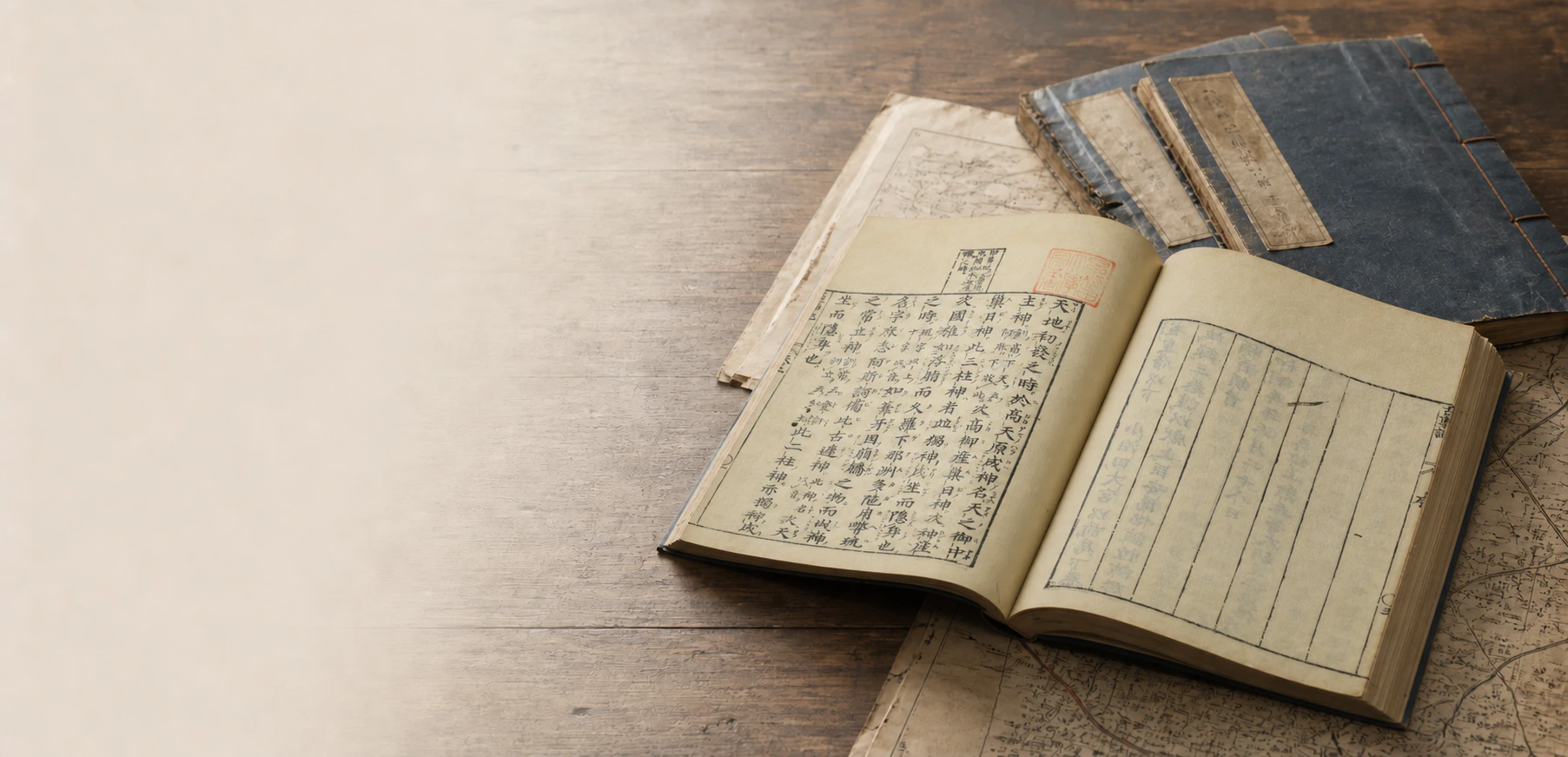
    The Kojiki in an open-book still life

    The Death of Shōmu and Kōmyō's Donation

    The retired Emperor Shōmu died in 756. His widow Kōmyō, mother of the reigning Empress Kōken, marked the forty-ninth-day memorial with an offering to the Great Buddha at Tōdai-ji. A catalogue, the Kokka Chinpō-chō, recorded treasures associated with Shōmu, while the separate Shujuyaku-chō listed sixty kinds of medicinal substances in twenty-one containers.

    The medicines were dedicated with a wish for the relief of the sick, as well as for Shōmu's spiritual benefit. An actual withdrawal is recorded later in 756, when ginseng was released to the Seyaku-in, an institution providing charitable medical care. The stated purpose of the gift and this documented use are more specific than assuming every donated substance reached a patient.

    Further offerings followed in 756 and 758, including furnishings and calligraphy. The catalogues and surviving objects became part of the Shōsōin repository's collection. They connect the imperial memorial to the temple's custody of objects and medicines, while also distinguishing this sequence of donations from other materials that entered the repository.

    Sources and notes ViewHide
    1. [1]

      正倉院関係年表奈良国立博物館

    2. [2]

      種々薬帳奈良国立博物館

    Reading context

    Reading preferences

    Text size
    Glossary intensity

    Choose how much explanation appears as you read.

    Saved on this device. All terms remain available in the glossary.

    Browse the glossary →
    History Omakase

    Opening reading…