
Skip to content
Chronicle

Search History Omakase

Start typing to search.

    Read The Nakasendai Rebellion and Takauji’s Break with Go-Daigo

    Read the article below. Interactive reading tools are available when scripts load.

    Overview

    The Nakasendai Rebellion and Takauji’s Break with Go-Daigo

    Hōjō Tokiyuki, a surviving son of Takatoki, rose in Shinano in 1335 with supporters including Suwa Yorishige. His forces advanced toward Kamakura and displaced Ashikaga Tadayoshi’s government there. The success showed that the overthrow of the Hōjō in 1333 had not removed their surviving networks.

    Prince Moriyoshi, Go-Daigo’s son and a former military leader of the restoration, had been arrested in 1334 and placed in Tadayoshi’s custody. He was killed during the Ashikaga withdrawal. The standard narrative attributes the killing to Fuchinobe Yoshihiro acting for Tadayoshi, but its detailed command and motive belong to a later, contested account. It removed an imperial prince who had competed with the Ashikaga for warrior support.

    Takauji went east, defeated Tokiyuki and recovered Kamakura. He remained there and began recognizing military service through his own authority. Go-Daigo ordered his return to Kyoto. When Takauji did not comply, forces under Nitta Yoshisada were sent against him; the confrontation developed into war late in 1335.

    The rebellion therefore changed more than possession of one city. Defeating it gave Takauji a base from which to gather followers and reward them outside the court’s procedures. The restored imperial government could no longer treat him as a commander whose decisions it fully controlled. Tokiyuki survived the defeat and continued to take part in later resistance.

    Sources and notes

    1. 建武新政 · Satō Kazuhiko, Nipponica; Heibonsha World Encyclopedia
    2. 南北朝の動乱と南九州の武士たち · Reimeikan, Kagoshima Prefecture

    About these sources

    Back

    1335 | The Nakasendai Rebellion and Takauji’s Break with Go-Daigo中先代の乱と尊氏の離反

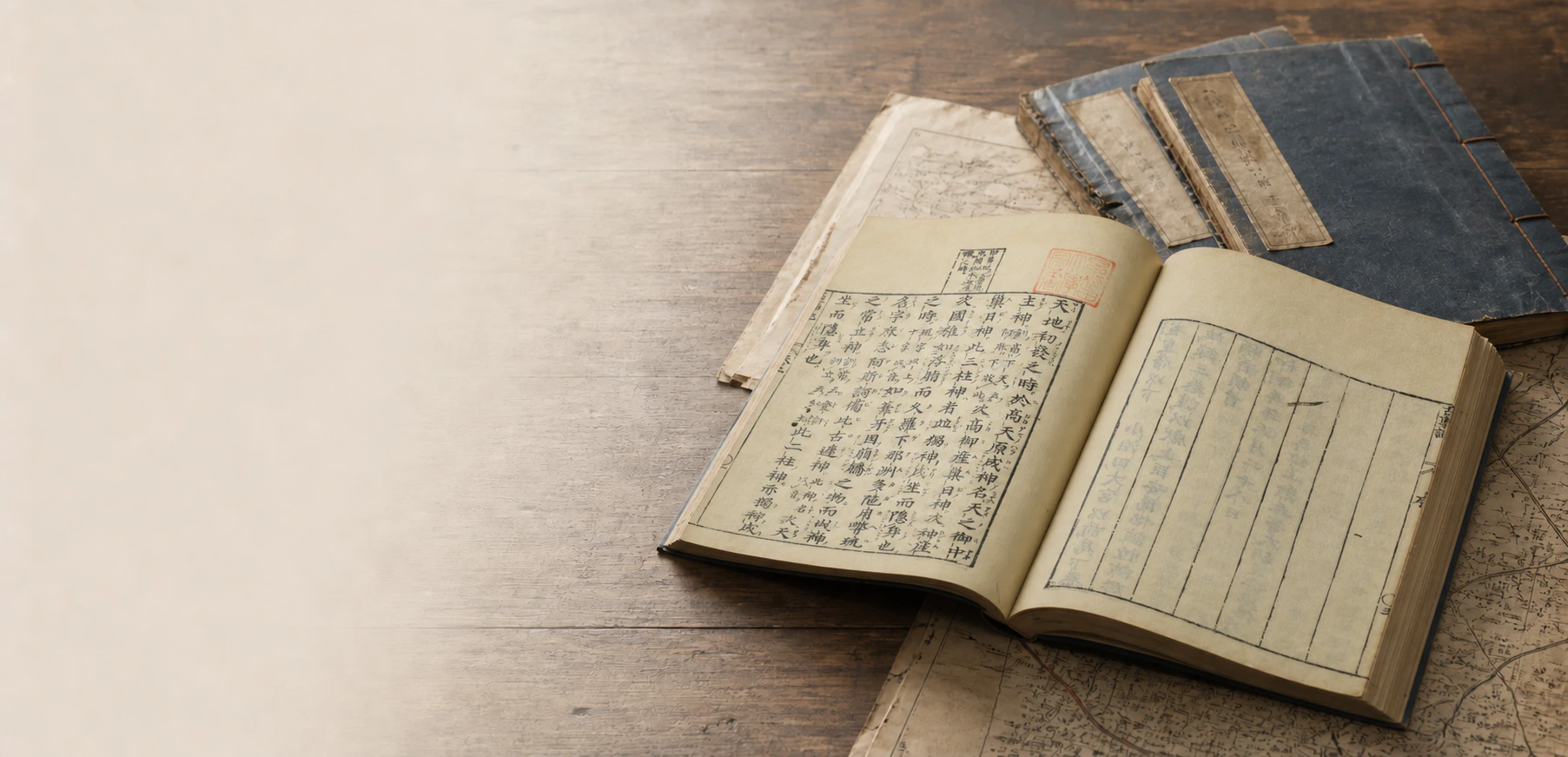
    The Kojiki in an open-book still life

    The Nakasendai Rebellion and Takauji’s Break with Go-Daigo

    Hōjō Tokiyuki, a surviving son of Takatoki, rose in Shinano in 1335 with supporters including Suwa Yorishige. His forces advanced toward Kamakura and displaced Ashikaga Tadayoshi’s government there. The success showed that the overthrow of the Hōjō in 1333 had not removed their surviving networks.

    Prince Moriyoshi, Go-Daigo’s son and a former military leader of the restoration, had been arrested in 1334 and placed in Tadayoshi’s custody. He was killed during the Ashikaga withdrawal. The standard narrative attributes the killing to Fuchinobe Yoshihiro acting for Tadayoshi, but its detailed command and motive belong to a later, contested account. It removed an imperial prince who had competed with the Ashikaga for warrior support.

    Takauji went east, defeated Tokiyuki and recovered Kamakura. He remained there and began recognizing military service through his own authority. Go-Daigo ordered his return to Kyoto. When Takauji did not comply, forces under Nitta Yoshisada were sent against him; the confrontation developed into war late in 1335.

    The rebellion therefore changed more than possession of one city. Defeating it gave Takauji a base from which to gather followers and reward them outside the court’s procedures. The restored imperial government could no longer treat him as a commander whose decisions it fully controlled. Tokiyuki survived the defeat and continued to take part in later resistance.

    Sources and notes ViewHide
    1. [1]

      建武新政Satō Kazuhiko, Nipponica; Heibonsha World Encyclopedia

    2. [2]

      南北朝の動乱と南九州の武士たちReimeikan, Kagoshima Prefecture

    Reading context

    Reading preferences

    Text size
    Glossary intensity

    Choose how much explanation appears as you read.

    Saved on this device. All terms remain available in the glossary.

    Browse the glossary →
    History Omakase

    Opening reading…