Skip to content
Chronicle

Search History Omakase

Start typing to search.

    Read Emperor Meiji Dies and the Taishō Succession Begins

    Read the article below. Interactive reading tools are available when scripts load.

    Overview

    Emperor Meiji Dies and the Taishō Succession Begins

    Emperor Meiji’s death was announced on July 30, 1912. Crown Prince Yoshihito succeeded him, beginning the Taishō era. Household and government offices conducted the succession while preparing mourning and burial.

    A state funeral bureau was established that day. Court business was suspended for five days, and mourning rules specified black seals and ruled paper. The funeral date and burial place were settled on August 6, followed by the designation of Fushimi Momoyama as the mausoleum.

    The funeral ceremony took place on September 13 at the Aoyama military parade ground in Tokyo. The coffin traveled by train to the Kyoto area and was buried at Fushimi Momoyama on September 15, joining a ceremony in the national capital to burial near the older court center.

    Ministries, the Diet and the armed forces continued under the new sovereign. The immediate work fell to officials arranging approvals, transport and burial; the succession and funeral proceeded through these existing institutions.

    Sources and notes

    1. 大日本帝国憲法・全文 · NDL original1889 Constitution
    2. 明治天皇大喪の手続 · NationalArchives

    About these sources

    Back

    1912 | Emperor Meiji Dies and the Taishō Succession Begins明治天皇の死と大正への継承

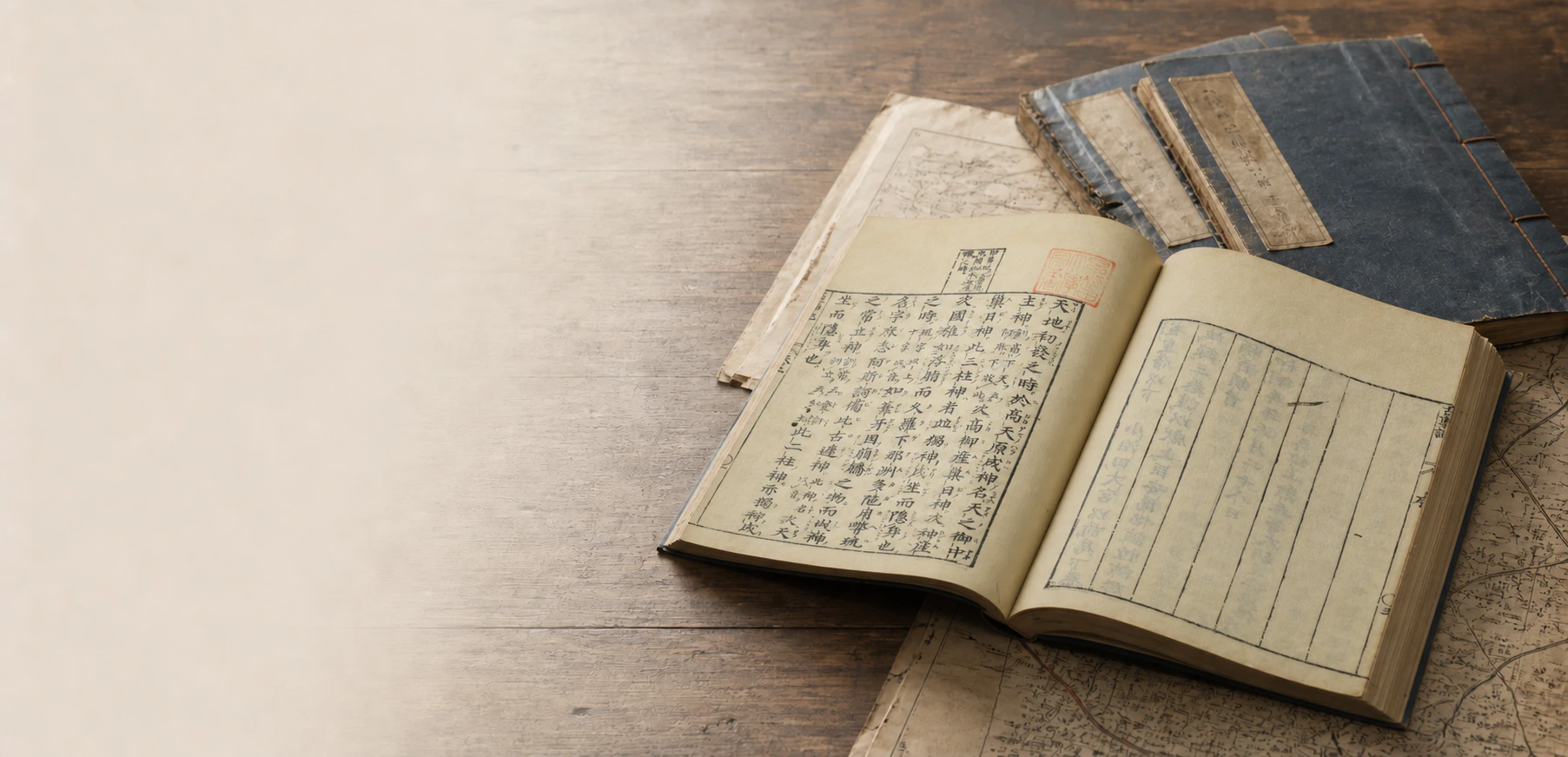
    The Kojiki in an open-book still life

    Emperor Meiji Dies and the Taishō Succession Begins

    Emperor Meiji’s death was announced on July 30, 1912. Crown Prince Yoshihito succeeded him, beginning the Taishō era. Household and government offices conducted the succession while preparing mourning and burial.

    A state funeral bureau was established that day. Court business was suspended for five days, and mourning rules specified black seals and ruled paper. The funeral date and burial place were settled on August 6, followed by the designation of Fushimi Momoyama as the mausoleum.

    The funeral ceremony took place on September 13 at the Aoyama military parade ground in Tokyo. The coffin traveled by train to the Kyoto area and was buried at Fushimi Momoyama on September 15, joining a ceremony in the national capital to burial near the older court center.

    Ministries, the Diet and the armed forces continued under the new sovereign. The immediate work fell to officials arranging approvals, transport and burial; the succession and funeral proceeded through these existing institutions.

    Sources and notes ViewHide
    1. [1]

      大日本帝国憲法・全文NDL original1889 Constitution

    2. [2]

      明治天皇大喪の手続NationalArchives

    Reading context

    Reading preferences

    Text size
    Glossary intensity

    Choose how much explanation appears as you read.

    Saved on this device. All terms remain available in the glossary.

    Browse the glossary →
    History Omakase

    Opening reading…