Skip to content
Chronicle

Search History Omakase

Start typing to search.

    Read A Proposed Kaitakushi Asset Disposal Provokes Protest and Is Canceled

    Read the article below. Interactive reading tools are available when scripts load.

    Overview

    A Proposed Kaitakushi Asset Disposal Provokes Protest and Is Canceled

    As the Kaitakushi’s development program approached its planned end, the government considered disposing of its enterprises and other property. General disposal rules had been issued in 1880. In July 1881, Kuroda Kiyotaka instead requested a special arrangement under which four serving Kaitakushi officials would resign and form a company to receive much of the agency’s business.

    Kuroda recommended Yasuda Sadanori, Orita Heinai, Kanai Nobuyuki and Suzuki Daisuke as men familiar with Hokkaido and able to continue its development. His request acknowledged that they lacked the necessary capital and sought exceptional terms. The disposal controversy also involved the Kansai Bōeki company associated with Godai Tomoatsu; these were connected arrangements, not simply one company buying every asset.

    Public opposition focused on favorable terms and the connections between buyers and officeholders. Debate over public property became linked with demands for representative oversight. The government canceled the arrangements in October, removed Ōkuma Shigenobu during the same political crisis and announced that a Diet would open in 1890.

    The contested transfer did not go through. The controversy nevertheless exposed the procedure by which public enterprises could be assigned to favored recipients through official requests and government approval, before an elected national assembly existed to examine them.

    Sources and notes

    1. 明治十四年政変 · National Diet Library
    2. 国会開設勅諭・原文 · GRIPS/University of Tokyo original decree transcription
    3. 開拓使官有物払下出願 · Sapporo Central Library city history
    4. 開拓使払下中止 · National Archives of Japan
    5. 五代友厚・直筆の手紙 · National Diet Library

    About these sources

    Back

    1881 | A Proposed Kaitakushi Asset Disposal Provokes Protest and Is Canceled開拓使官有物払下げ事件

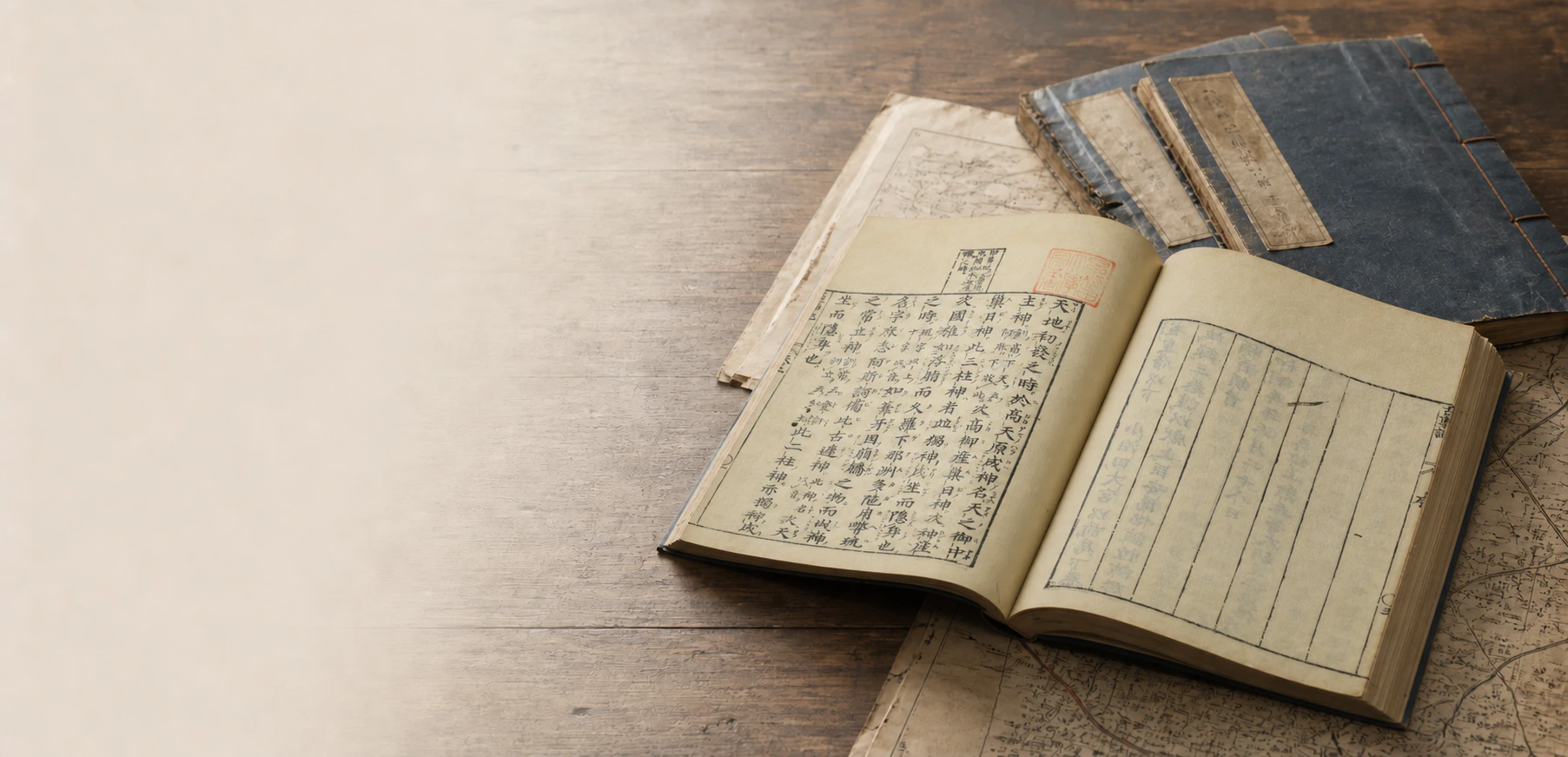
    The Kojiki in an open-book still life

    A Proposed Kaitakushi Asset Disposal Provokes Protest and Is Canceled

    As the Kaitakushi’s development program approached its planned end, the government considered disposing of its enterprises and other property. General disposal rules had been issued in 1880. In July 1881, Kuroda Kiyotaka instead requested a special arrangement under which four serving Kaitakushi officials would resign and form a company to receive much of the agency’s business.

    Kuroda recommended Yasuda Sadanori, Orita Heinai, Kanai Nobuyuki and Suzuki Daisuke as men familiar with Hokkaido and able to continue its development. His request acknowledged that they lacked the necessary capital and sought exceptional terms. The disposal controversy also involved the Kansai Bōeki company associated with Godai Tomoatsu; these were connected arrangements, not simply one company buying every asset.

    Public opposition focused on favorable terms and the connections between buyers and officeholders. Debate over public property became linked with demands for representative oversight. The government canceled the arrangements in October, removed Ōkuma Shigenobu during the same political crisis and announced that a Diet would open in 1890.

    The contested transfer did not go through. The controversy nevertheless exposed the procedure by which public enterprises could be assigned to favored recipients through official requests and government approval, before an elected national assembly existed to examine them.

    Sources and notes ViewHide
    1. [1]

      明治十四年政変National Diet Library

    2. [2]

      国会開設勅諭・原文GRIPS/University of Tokyo original decree transcription

    3. [3]

      開拓使官有物払下出願Sapporo Central Library city history

    4. [4]

      開拓使払下中止National Archives of Japan

    5. [5]

      五代友厚・直筆の手紙National Diet Library

    Reading context

    Reading preferences

    Text size
    Glossary intensity

    Choose how much explanation appears as you read.

    Saved on this device. All terms remain available in the glossary.

    Browse the glossary →
    History Omakase

    Opening reading…