
Skip to content
Chronicle

Search History Omakase

Start typing to search.

    Read Shirakawa’s Retired Court Becomes a Center of Government

    Read the article below. Interactive reading tools are available when scripts load.

    Overview

    Shirakawa’s Retired Court Becomes a Center of Government

    After Emperor Shirakawa abdicated to his son Horikawa in 1086, he maintained a household with its own advisers, administrators and religious foundations. The in no chō, the retired sovereign’s household office, handled property and correspondence. Inzen were orders transmitted in the retired ruler’s name through his attendants.

    This household had a material setting. The Toba detached palace south of Kyoto developed residences, temple halls, storehouses and quarters for its supporting population. Provincial governors helped finance and organize construction, and materials arrived from the provinces. Estates and temple patronage supported continuing household business; clerks gave decisions a documentary form that recipients could present in disputes.

    The reigning emperor’s court and Fujiwara regents remained active. Fujiwara no Morozane served as Horikawa’s regent, while Shirakawa’s influence expanded over subsequent successions, especially when his grandson became Emperor Toba in 1107. A petition or appointment could thus involve several households. Effective retired rule depended on people able to transmit and enforce commands, and on revenue and heirs that lasted beyond the original abdication.

    Sources and notes

    1. Toba detached palace · Kyoto City
    2. Studies on the Ōi-dono as Crown Prince and Imperial residence · Hirayama Ikuo / Architectural Institute of Japan
    3. Inzen: expert-authored institutional history · Nihon Daihyakka Zensho, Tomita Masahiro

    About these sources

    Back

    1086–1107 | Shirakawa’s Retired Court Becomes a Center of Government白河院政の展開

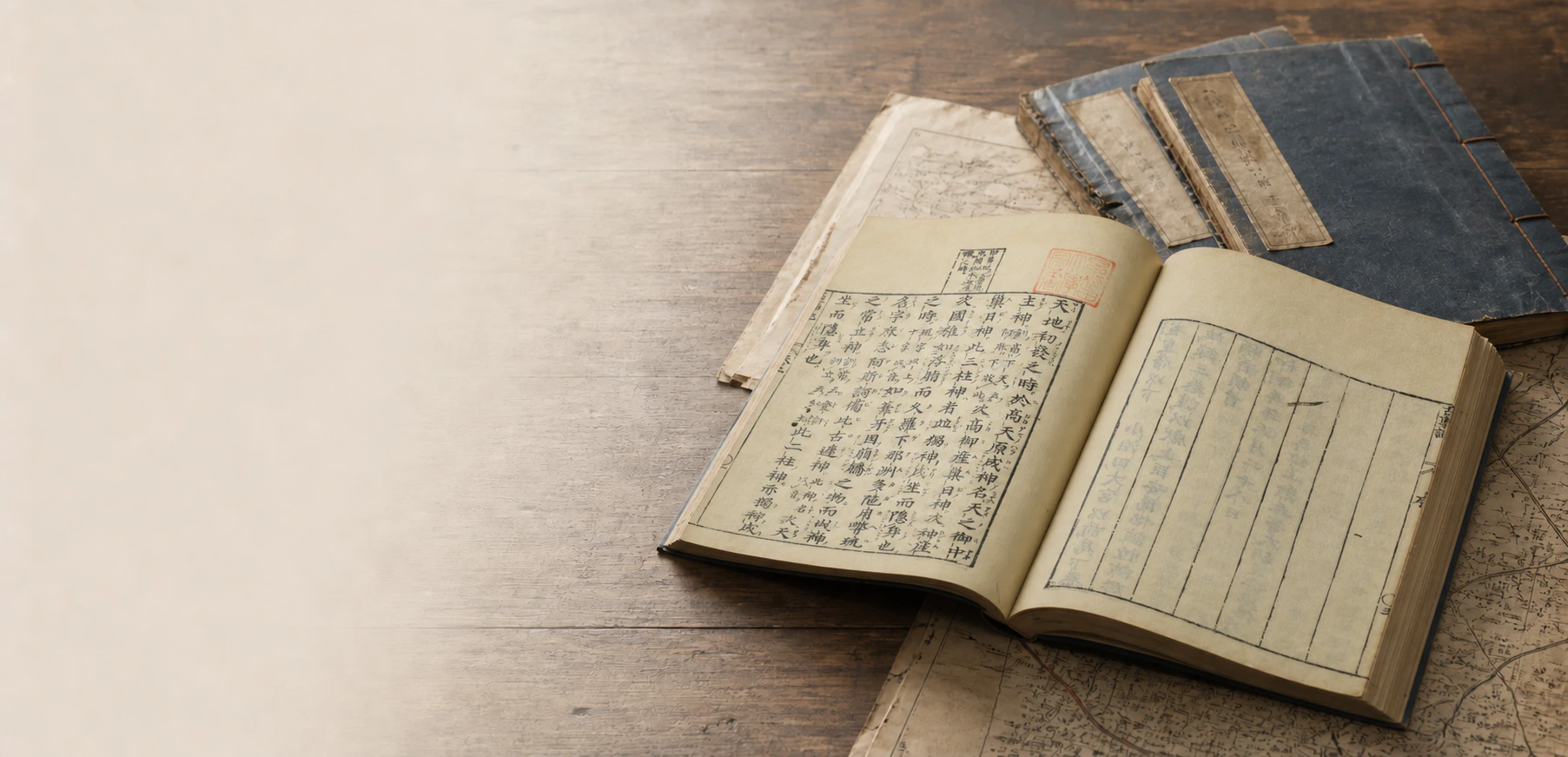
    The Kojiki in an open-book still life

    Shirakawa’s Retired Court Becomes a Center of Government

    After Emperor Shirakawa abdicated to his son Horikawa in 1086, he maintained a household with its own advisers, administrators and religious foundations. The in no chō, the retired sovereign’s household office, handled property and correspondence. Inzen were orders transmitted in the retired ruler’s name through his attendants.

    This household had a material setting. The Toba detached palace south of Kyoto developed residences, temple halls, storehouses and quarters for its supporting population. Provincial governors helped finance and organize construction, and materials arrived from the provinces. Estates and temple patronage supported continuing household business; clerks gave decisions a documentary form that recipients could present in disputes.

    The reigning emperor’s court and Fujiwara regents remained active. Fujiwara no Morozane served as Horikawa’s regent, while Shirakawa’s influence expanded over subsequent successions, especially when his grandson became Emperor Toba in 1107. A petition or appointment could thus involve several households. Effective retired rule depended on people able to transmit and enforce commands, and on revenue and heirs that lasted beyond the original abdication.

    Sources and notes ViewHide
    1. [1]

      Toba detached palaceKyoto City

    2. [2]

      Studies on the Ōi-dono as Crown Prince and Imperial residenceHirayama Ikuo / Architectural Institute of Japan

    3. [3]

      Inzen: expert-authored institutional historyNihon Daihyakka Zensho, Tomita Masahiro

    Reading context

    Reading preferences

    Text size
    Glossary intensity

    Choose how much explanation appears as you read.

    Saved on this device. All terms remain available in the glossary.

    Browse the glossary →
    History Omakase

    Opening reading…