
Skip to content
Chronicle

Search History Omakase

Start typing to search.

    Read Yoshimune Establishes the Suggestion Box

    Read the article below. Interactive reading tools are available when scripts load.

    Overview

    Yoshimune Establishes the Suggestion Box

    In 1721, Tokugawa Yoshimune established the meyasubako outside the shogunate’s council office. It received written opinions and complaints from below the governing hierarchy. The box was opened in the shogun’s presence, and he read the submitted papers himself.

    The physician Ogawa Shōsen proposed care for poor people unable to obtain treatment. His proposal led to the Koishikawa Yōjōsho’s establishment the following year. Another submission, by the rōnin Yamashita Kōnai in the autumn of 1721, sharply criticized Yoshimune’s reforms. It shows that the channel could carry objections as well as proposals the government accepted.

    Yamashita’s petition survived in copies. A later compilation places it alongside comments by Matsudaira Sadanobu and other senior councilors, showing the document’s life among officials well after its submission. The box gave particular petitioners access to the ruler, while decisions about action remained with his government. Receiving, preserving and implementing an opinion were different stages.

    Sources and notes

    1. 目安箱 · Shōgakukan dictionaries
    2. 松平越中守殿御心附書 · Toyama Prefectural Library
    3. 小石川養生所之圖 · Tokyo Metropolitan Library

    About these sources

    Back

    1721 | Yoshimune Establishes the Suggestion Box目安箱の設置

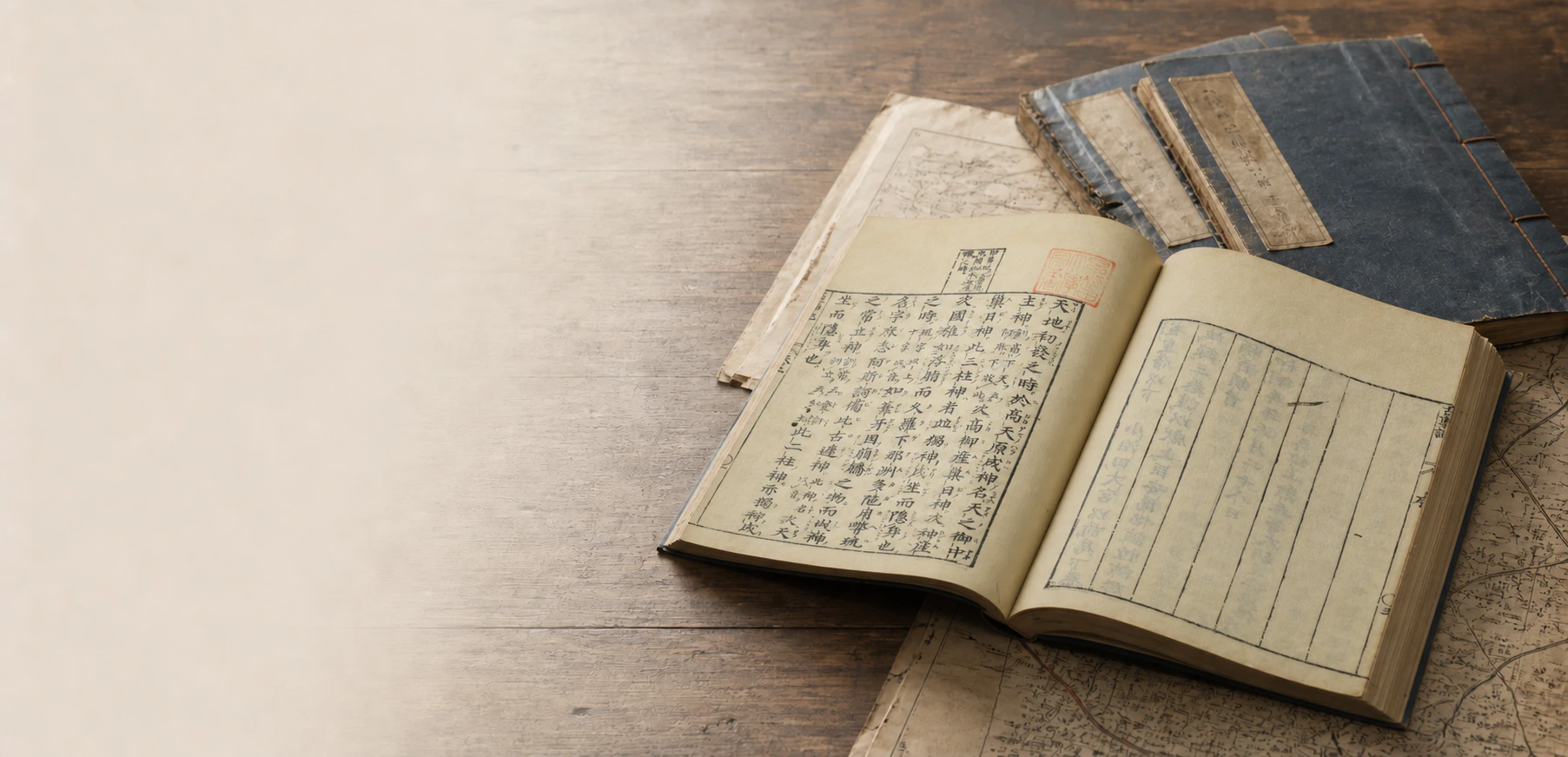
    The Kojiki in an open-book still life

    Yoshimune Establishes the Suggestion Box

    In 1721, Tokugawa Yoshimune established the meyasubako outside the shogunate’s council office. It received written opinions and complaints from below the governing hierarchy. The box was opened in the shogun’s presence, and he read the submitted papers himself.

    The physician Ogawa Shōsen proposed care for poor people unable to obtain treatment. His proposal led to the Koishikawa Yōjōsho’s establishment the following year. Another submission, by the rōnin Yamashita Kōnai in the autumn of 1721, sharply criticized Yoshimune’s reforms. It shows that the channel could carry objections as well as proposals the government accepted.

    Yamashita’s petition survived in copies. A later compilation places it alongside comments by Matsudaira Sadanobu and other senior councilors, showing the document’s life among officials well after its submission. The box gave particular petitioners access to the ruler, while decisions about action remained with his government. Receiving, preserving and implementing an opinion were different stages.

    Sources and notes ViewHide
    1. [1]

      目安箱Shōgakukan dictionaries

    2. [2]

      松平越中守殿御心附書Toyama Prefectural Library

    3. [3]

      小石川養生所之圖Tokyo Metropolitan Library

    Reading context

    Reading preferences

    Text size
    Glossary intensity

    Choose how much explanation appears as you read.

    Saved on this device. All terms remain available in the glossary.

    Browse the glossary →
    History Omakase

    Opening reading…